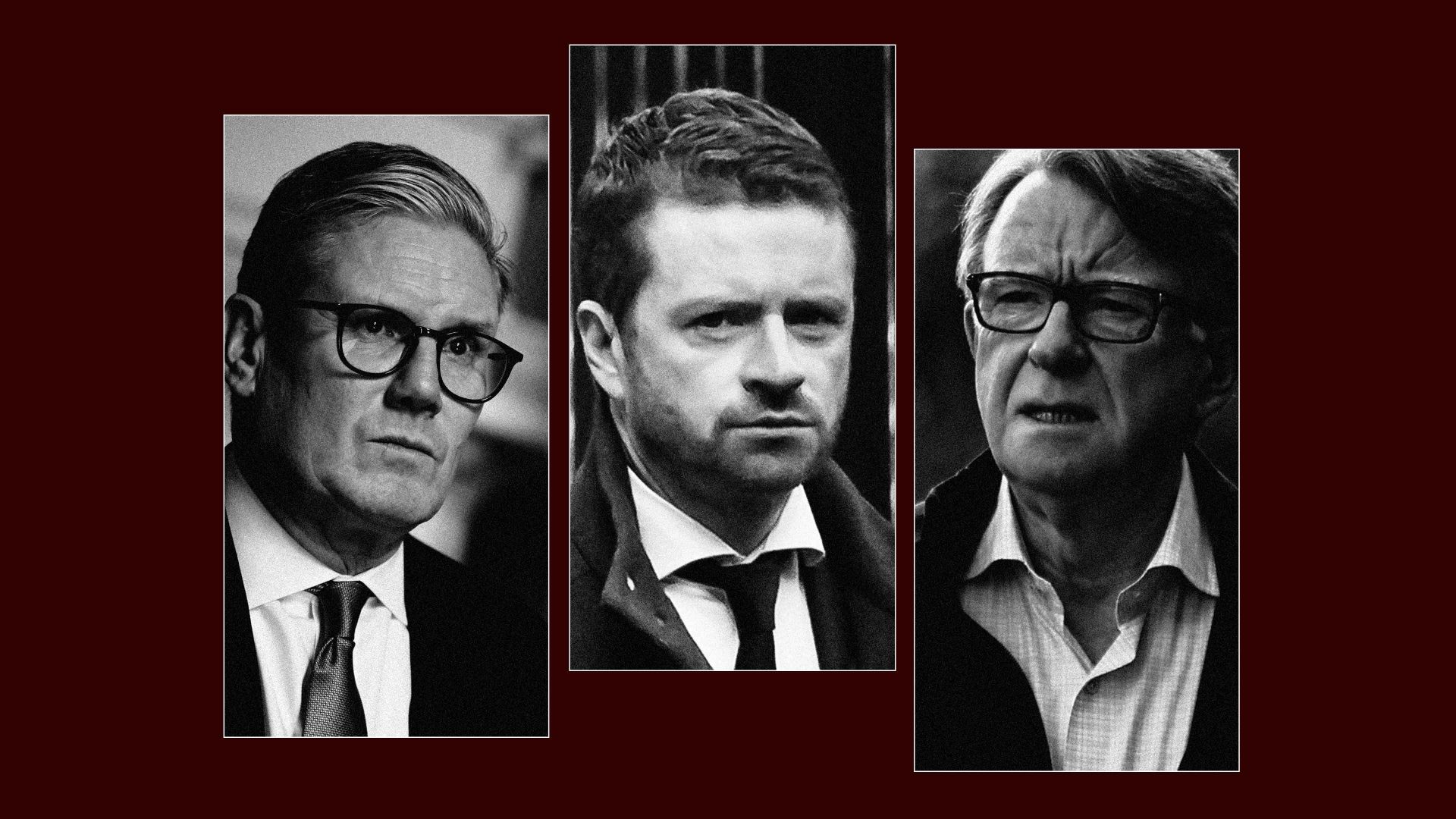
And finally there he was, appearing in front of the foreign affairs select committee.
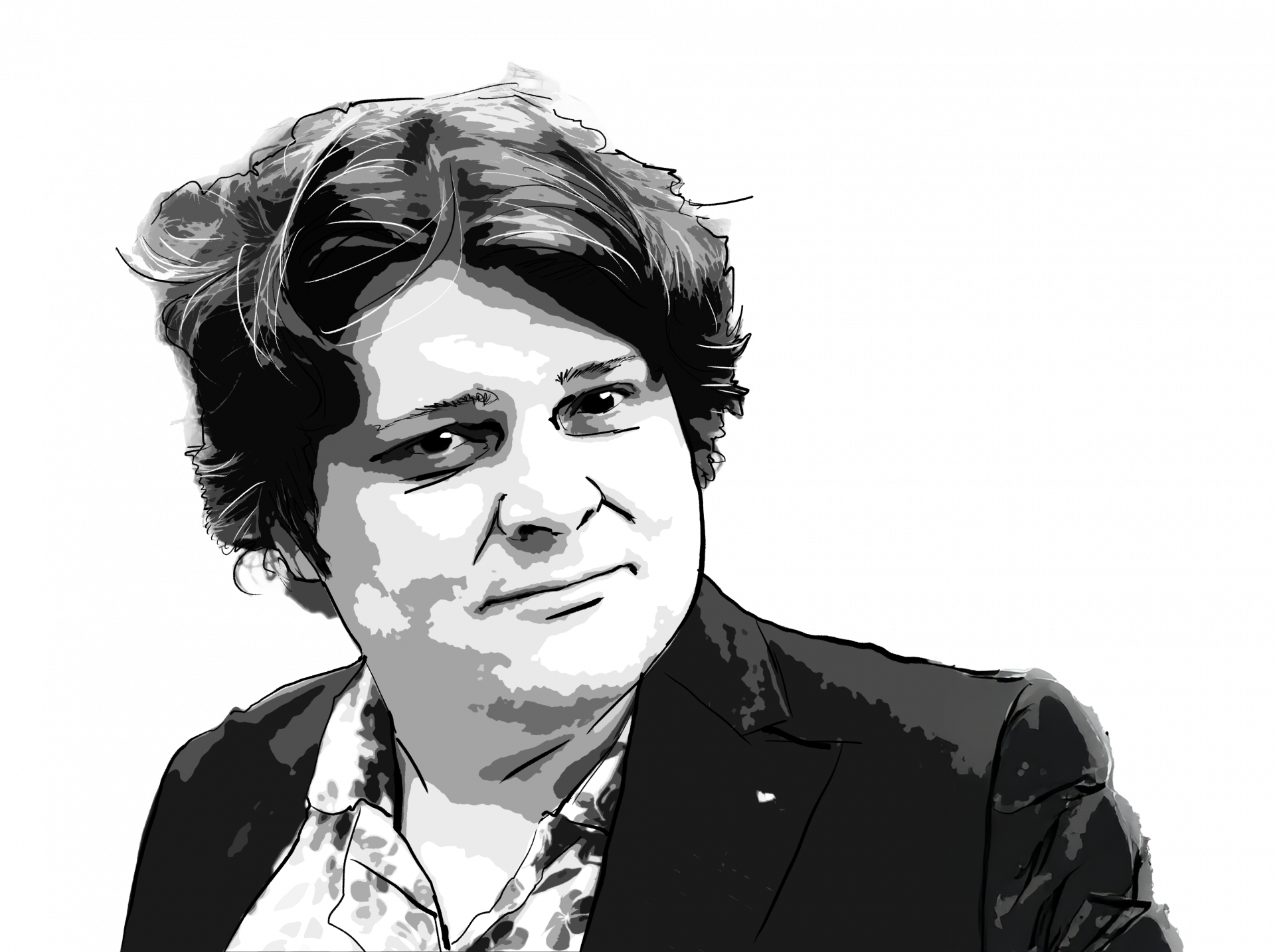
Morgan McSweeney, former chief of staff in No 10, was central to Keir Starmer’s electoral triumph. It was a great majority – a shame about what came next, though.
But on Tuesday, Labour’s collapsing numbers, the winter fuel shambles, the appalling national insurance hikes and all the rest of it, weren’t up for discussion. Instead, it was all about the appointment of Peter Mandelson as ambassador to the US, despite his connections to Jeffrey Epstein.
Had it been McSweeney’s fault that Mandelson ended up as our man in DC? Did he use his influence to get his mate and former mentor into a plum job? To what extent did he – and, crucially, Starmer – try to speed up the process, to duck vetting for the Prince of Darkness, to hasten his departure?
Suggested Reading

McSweeney’s exit leaves the PM hanging by a thread
McSweeney was asked about all of this, and seemed to avoid dropping himself or Starmer even further into the sticky stuff. It was a great performance of morality theatre – but it was really a piece of pseudo courtroom drama that could do nothing to atone for the dreadful decision to appoint Mandelson.
McSweeney opened with a personal statement on his sympathy for the victims of Jeffrey Epstein, before going on to say he got into politics to make Britain “fairer, stronger and more successful”.
As for his advice to the prime minister in support of Mandelson, that was a “serious error of judgement,” said McSweeney. “I was wrong to do so.”
But, he added, he did not “oversee national security vetting.” When it came to clearing Mandelson for the role, he did not tell anyone that checks “should be cleared at all costs”.
Arms folded in a defensive pose, McSweeney made clear that no, he never worked for Mandelson. And he was careful to call him “Mandelson” at all times, not Peter.
“I didn’t regard [Mandelson] as my mentor,” he told Emily Thornberry, the committee chair. “I got advice from him, and it was useful” as “I built a wide network”.
So why make him US ambassador, asked Thornberry. “I thought he was the right choice after the US presidential election,” said McSweeney. “The UK was exposed after Brexit… the top priority of the PM was to get a trade deal with the Americans.”
If Kamala Harris had won the election and not Trump, then Mandelson would not have been appointed, he said. “There were pros and cons…” of appointing him, but this was a practical decision.
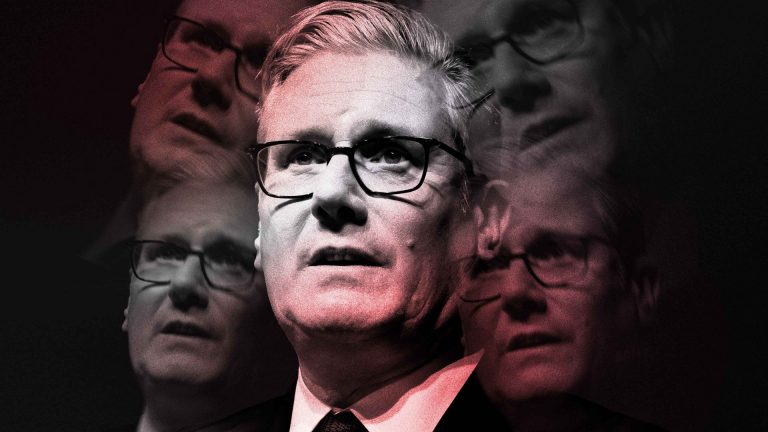

As for the Epstein links, McSweeney said that, at the time, he thought Mandelson had had a “passing acquaintance that he regretted having” with Epstein. He then said that, when the full revelations came out of Mandelson’s continuing relations with Epstein, it was like “a knife through my soul”.
Downplaying Mandelson’s influence on government, McSweeney made clear that he had no hand in ministerial appointments, or reshuffles. But if so, asked Thornberry, why was Mandelson hanging around in No 10 in the first place, particularly during the reshuffle following Angela Rayner’s departure?
“He happened to be in the cabinet office that day,” said McSweeney. “The PM did not seek his advice”.
As for the US ambassadorial role, McSweeney said clearly that yes, Mendelson did lobby him for the role, but no, “I didn’t try to push anything through.” Asked who first proposed Mandelson for the role, he said he thought it was Mandelson himself, which drew a chuckle from the room. At the time, Mandelson was also pushing to become chancellor of Oxford University.
The other candidate for the position in DC was – of all people – George Osborne. He and Mandelson were, McSweeney said, “two appointable candidates”. But Mandelson was the lead candidate because of his former experience as an EU trade commissioner.
He reminded the committee that “it wasn’t my decision. It was the PM’s decision,” to appoint Mandelson. Even so, “you closed your eyes to the risks,” said Thornberry, “you railroaded this through as fast as you could”.
McSweeney rejected this, saying Mandelson “was not some hero I was trying to get a job for… My motive was always in the national interest”.
McSweeney’s air of contrition was slightly undone by a monologue in which, at one point, he recalled all of those people who had begged him unsuccessfully for jobs and all those friends who he had had to sack.
One career detail that he came out with was instructive. During his internship with Labour in the early 2000s, he was “assigned to the attack and rebuttal team”, which in McSweeney’s retelling was a bit more boring than its name suggests, more like a glorified cuttings service.
Suggested Reading
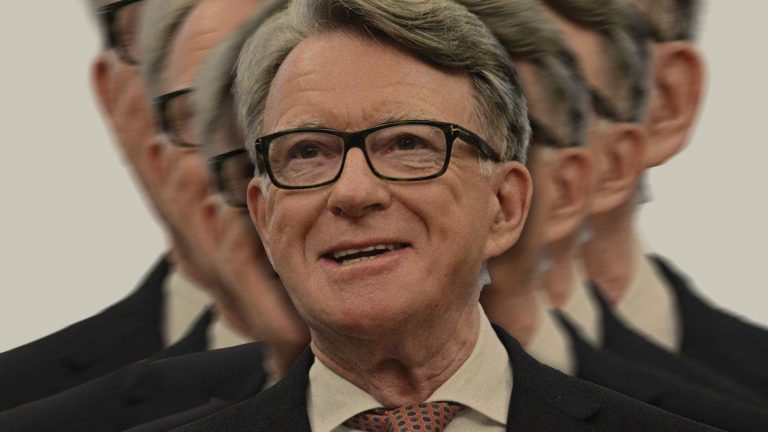

Westminster is obsessed with the Mandelson scandal. Voters are not
It’s quite clear that Morgan McSweeney is what’s commonly called “an operator”. He is fluent, across the detail, sharp-minded and also somewhat intimidating.
But despite those impressive attributes, he was disastrous in government – so disastrous that the administration he served has lost control of the national narrative.
And now he has helped to bring about a political disaster so huge that Labour’s enormous majority is all but forgotten, and the government has turned in on itself in an enraging show of political solipsism. It is worth recalling that there are currently wars of global significance raging in both Europe and the Middle East.
Morgan McSweeney is the living embodiment of the eternal political truth that campaigning for office is not the same thing as governing. He was very good at the former. He was catastrophically bad at the latter.
Unfortunately, the consequence of this shortcoming could well turn out to be Nigel Farage.
 Most popular
Emily Maitlis’s diary: As I was saying to George Clooney just the other day…
A new film about Elon Musk reveals him as so awful it’s almost tragic. Almost

Never again? Think again. The far right’s resurgence in Germany should terrify all Europeans
There’s only one reason Trump went to Ireland – it wasn’t to meet the Taoiseach