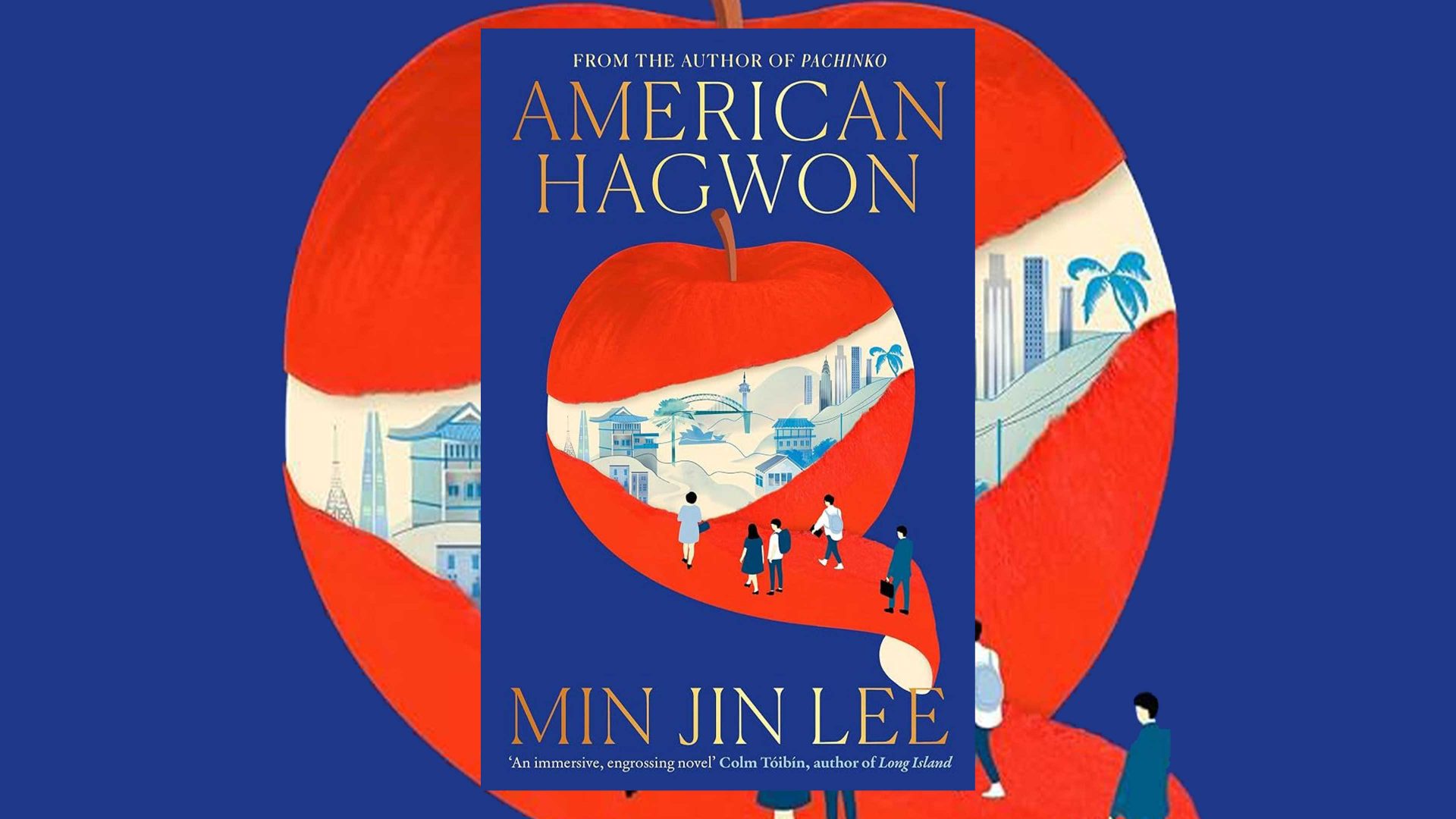
Min Jin Lee admits to being a “slow processor” in an era of hot takes. American Hagwon, her new epic, is only her third book since 2007, but the long wait is worth it. I inhaled all 650 pages in three days, and will now wait impatiently for the next one.
Jin Lee centres on women’s stories, highlighting racism and misogyny within Korean communities and the immigrant experience. I’ve been a massive Min Jin Lee fan since 2017, when I read Pachinko, her epic (515-page) and best-selling historical fiction novel about a Korean family who move to Japan.
I moved on to her debut, Free Food for Millionaires – lighter, despite its 562 pages, and again demonstrating her expertise in capturing complex geopolitical and familial structures in the most entertaining way possible. I wish I could prolong the experience of reading her work, but when given the opportunity, I find myself cancelling lunches, sitting in the park for hours, reading long into the night.
American Hagwon takes place from 1992 to 2007 and spans South Korea, Australia and California. It dabbles with Harvard, and other educational institutions – a hagwon being a hothousing supplemental school, attended by South Korean children after the bells ring at their normal schools, to do homework and prepare for their rigorous exams.
Suggested Reading
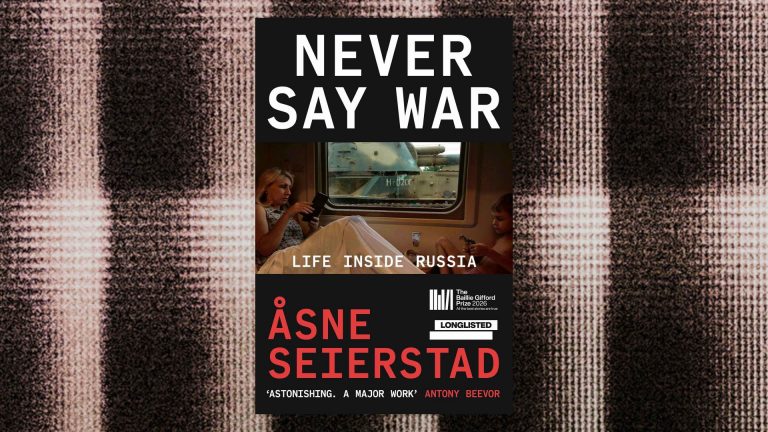

The chilling banality of Putin’s kingdom of fear
John and Helen Koh and their three children – Bo, DH and baby Mido – are rebuilding life in Korea when disaster strikes, both personally and via the 1997 Asian financial crisis. The novel is based around the sacrifices that Korean parents make in order to give their offspring the best possible chance of success. The guilt, obligation and drive that those decisions create in this younger generation is explored in depth.
The Kohs use hagwons in Korea to access international higher education, then open their own in California. Korean expectations and the pressure of perfection meet an America in which only acceptance to an Ivy League university will do. Burnout, drug use and breakdowns follow, bringing clarity to the situations so many women of a certain age find themselves in now.
Along with stretching definitions of family and fidelity, Jin Lee explores the lengths to which some will go to protect and promote one another inside and outside of Korean enclaves. Helen’s sister Sonya, owner of nail salons and married to a man with corporate ambitions, is scarier than most characters I’ve read in the last ten years. She bares her teeth while smoothing her skirts.
When Sonya approaches a woman who has caused the family harm, she sounds like a character from The Godfather: “I’m telling you that you will regret it if you don’t stay away from my family. I know who you are. I know who your cousin is, and where your mother lives. I know where you live. I will hold this grudge forever. Here is some wisdom: Let life tutor you. Learn quickly where danger lies. I am danger. Have a good day. I shall not keep you.”
Suggested Reading
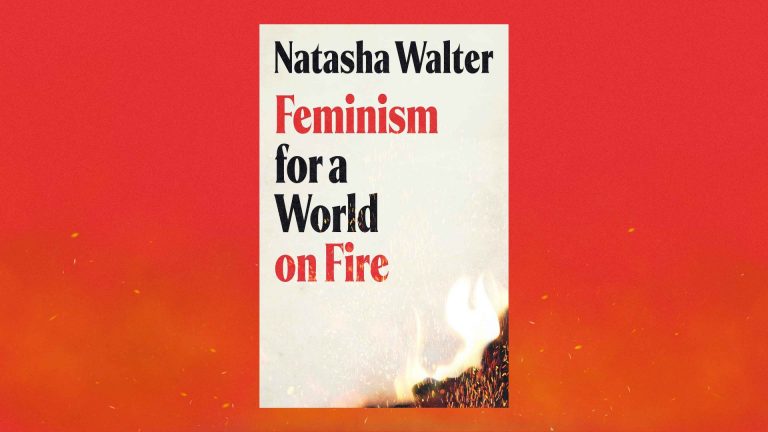

The fiery feminist book I can’t stop thinking about
Mido is the other secret weapon of the Kohs. The baby sister of the family, painfully shy and quietly brilliant, gets a rude introduction to Korea when being struck by a teacher at the Korean school after having been born in the States and coddled in Australian schools. Yun, who is assigned to show her around, is her first real friend in life and that friendship and the relationships that branch from it will shape and define both families.
Jin Lee’s books – and the wait between them – have led to a fascination with Korean women’s literature, especially books that deal with immigration and relations with Japan. Susan Choi’s Flashlight, nominated for last year’s Booker Prize, continues the exploration of Japanese/Korean hostilities. Frances Cha’s If I Had Your Face (2020) is also highly recommended.
Now there is American Hagwon. A modern epic, it excels at being relevant and indicative of the lengths we go to to broadcast success while being over-indexed, in debt and feeling wildly inadequate compared to your acquaintances at church or school. American Hagwon is an expertly drawn critique of the cost of keeping up with the Joneses.
 Most popular


Emily Maitlis’s diary: Trump doesn’t fear the AI apocalypse – but he’s terrified about the midterms

A new film about Elon Musk reveals him as so awful it’s almost tragic. Almost

My day out with Danny Tommo
I was at Eton with Charles Spencer – this is how it explains his battle with the royals