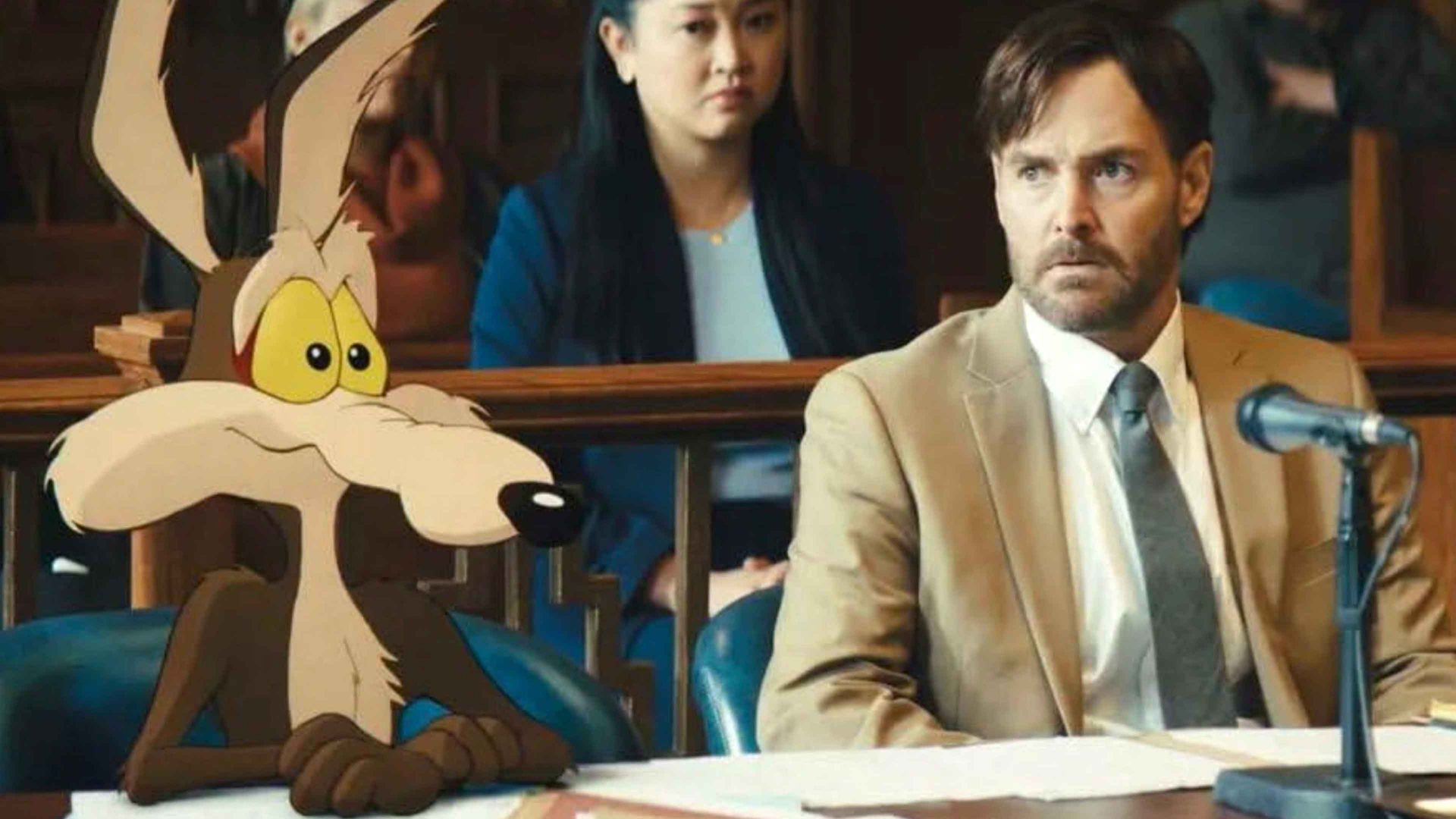
In one of Coyote vs. Acme’s many memorable scenes, corporate lawyer Buddy Crane (John Cena) tries to persuade an Albuquerque courtroom that a lawsuit filed by a cartoon coyote might just be frivolous. The freedom afforded by the “great country” of America, he argues, means that the burden of responsibility for the purchase of products that send the canine skittling off cliffs, or exploding into flinders, lies with the plaintiff himself.
“Wile E Coyote,” Crane asserts, “is reckless, and his injuries are self-inflicted.”
With the dice duly loaded, the scene that follows adds further support to the notion that this is a David and Goliath parable for our modern age. Recounting the day’s proceedings – including an artist’s rendition of a judge attempting to restrain a litigant whose head is on fire – an unctuous anchor for a pliant network news channel reports that “Acme did a great job of protecting its reputation [while] the plaintiff seemed hungry and afraid”.
Well, hold on a minute. Undeterred by a corporatocracy that has overpowered politics and law, in Coyote vs. Acme, the indefatigable Wile E Coyote has for once embroiled himself in a battle he might actually win. Like Karen Silkwood with tics, rather than pursuing a “beep beep” bird, his sights are trained on the company whose shonky wares have ensured that the only thing he’s ever fricasseed is his own sorry ass.
Suggested Reading

Ricky Gervais’s Alley Cats is even worse than you thought
Pleasingly, the sight of a coyote hiring a lawyer (Kevin Avery, played by Will Forte) is consistent with the internal logic of the original cartoons in which Wile sought the Road Runner. After all, a predator capable of ordering and utilising combustible Acme products can also be credited with having the wit to seek redress when said items result in him being run over by a train. Equally, a Road Runner that can read a sign offering free bird seed is surely able to testify under oath using one beep for no and two beeps for yes.
While the dog has his day, in court and beyond, a selection of Looney Tunes favourites make guest appearances. Batting for the dark side, Foghorn Leghorn is Acme’s bloviating CEO. Driven mad by the company’s research & development department, Daffy Duck resides in a psychiatric care facility. Best of all, Bugs Bunny is a Deep Throat-style whistleblower.
Amid the mayhem, the film manages to hit elevated notes. Not content with examining commercial overreach, in its revelation that a dominant corporation has been using cartoon characters for nefarious ends, Coyote vs. Acme has something to say about the corrosive effects of submitting to persuasive and powerful forces.
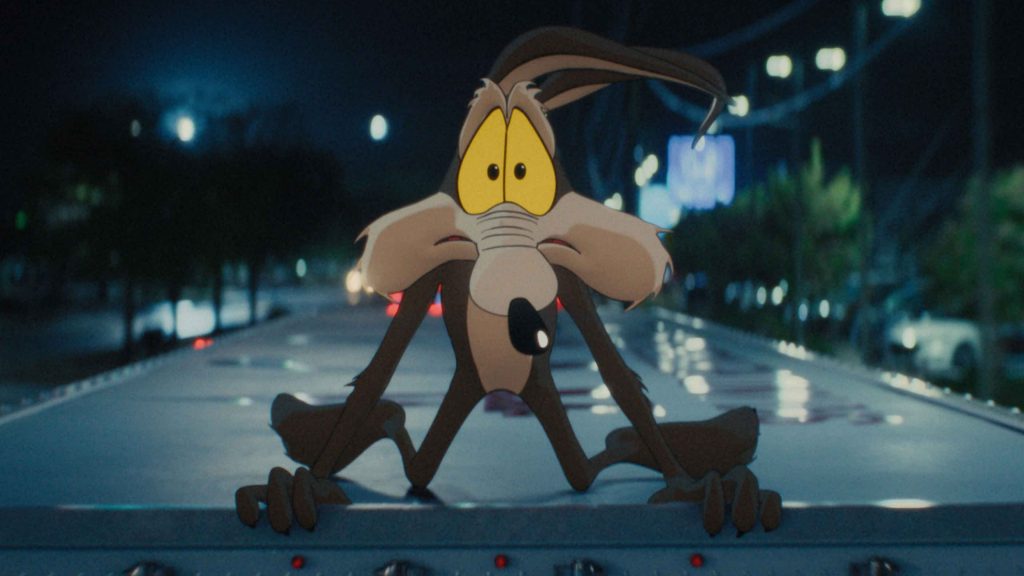
“You’re addicted!” screams Kevin Avery at a client whose motel room is filled with dangerous products. “Whenever you fell down a well, or blew up, Acme wanted that!” How funny, I thought, as I looked at my phone lying face down on the empty cinema seat to my right. In the age of TikTok and X, I guess we’re all guinea pigs now.
In focussing on the screen rather than a handheld device to which I seem dependent, I was at least able to appreciate the film’s many clever and meaningful touches. The law firm of Avery, Jones & Maltese, for example, is a nod to Looney Tunes creators Tex Avery, Chuck Jones, and Michael Maltese. Elsewhere, the sight of Wile E Coyote leafing through an issue of The New Yorker is a visual nod to the magazine that first published an iteration of Coyote vs. Acme, in a story by the humourist Ian Frazier, some 36 years ago.
Suggested Reading
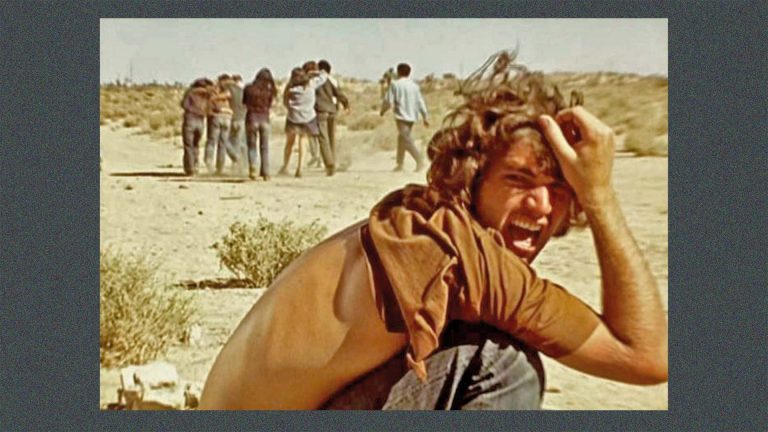

The return of the 1971 film that saw Trump coming
Appropriately, the resultant film is itself a triumph against the kind of corporate adversaries portrayed onscreen. Despite attracting high test scores from preview audiences, Coyote vs. Acme was one of three movies chosen by Warner Bros. to languish on the shelf in favour of a tax rebate of (in this instance) $30 million.
Like its titular protagonist, though, its advocates refused to throw in the towel. Following a sustained campaign of support by filmmakers and moviegoers alike, after three full years in mothballs, this sparkling picture has at last emerged into the light.
Good. With its themes of friendship and will, corporate power and individual agency, Coyote vs. Acme is a very smart film. Untouched by anvils that fall from the sky, or jet-powered roller skates that blow up in an instant, its central message is one that will resonate not only with adults and children, but with a cartoon animal whose life has been dedicated to the pursuit of a dominant adversary to which he refuses to concede defeat.
In never saying die, Wile E Coyote is a hero for our age.