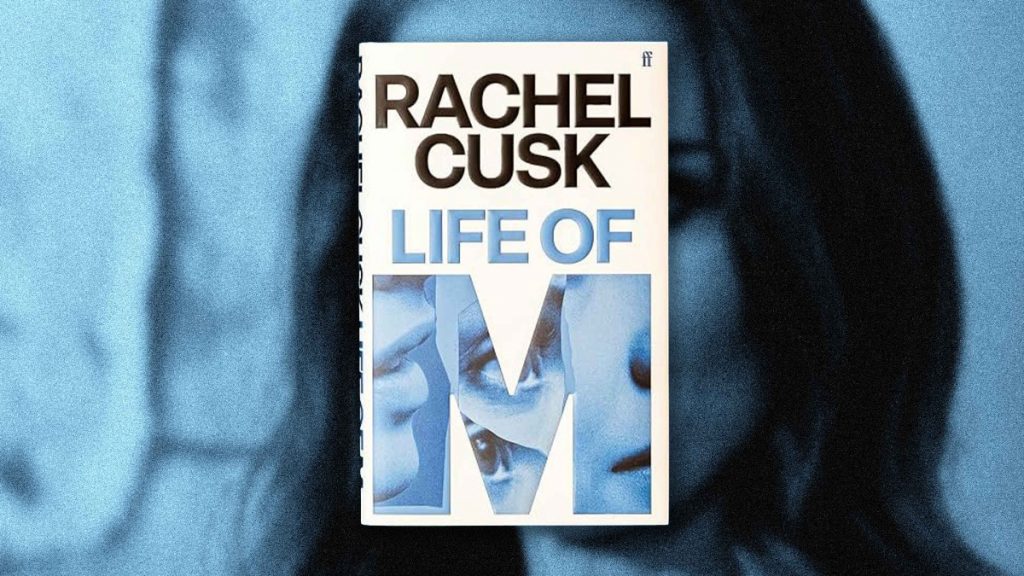
There are two possible ways to read Life of M by Rachel Cusk.
The first is to approach it completely ignorant of the media furore that greeted its publication. If you read it this way, you will encounter a deliciously chilly and clinical examination of the dehumanising impact of fame.
The A-list film actor “M” is portrayed as a hermetically sealed specimen, ever so polite and smiling, but incapable of real feelings. Just as fans watch M marvelling at her beauty and poise on the big screen, M watches her fans and the world mostly through a series of different screens; cafe windows, the view from the back seat of a car, the plush luxury of a yacht.
People walk dogs, sunbathe on the beach, meet for coffee and dinner, but M regards this from both a physical and existential distance. There are tantalising moments when it seems that perhaps something might just break through the barricade. The scene of a small child sitting digging in the sand on a sweltering beach captures M’s prolonged gaze, but all too soon from the silent and lonely interior of her car, she is whizzed away, the child merely a diminishing figure in the rear-view mirror.
Nothing seems to touch M. Nothing quite feels real or solid. The narrator tells us: “This was how people and things behaved around her. Reality became malleable, was always giving way and changing rules.”
Everything and everyone are involved in some sort of masquerade. M is skilled at playing people who struggle with their feelings as though to cover the fact she cannot feel these emotions herself. Even the narrator opens the book with a slippery statement: “A little while ago, I told the actor M that I was thinking of writing her autobiography” (and that word autobiography snags the reader in the first sentence – not a biography, then? Ghost writing? Subterfuge?).
Will you make it up, M asks? As a reader, we simply never quite know. M remains nameless, so do places, and films, and cafes and other people. And so does the narrator.
This is the first way of reading this book, blasted by its anonymity, horrified by the corrosive nature of fame with its curious violence against the self. But this is not the way most people will read it.
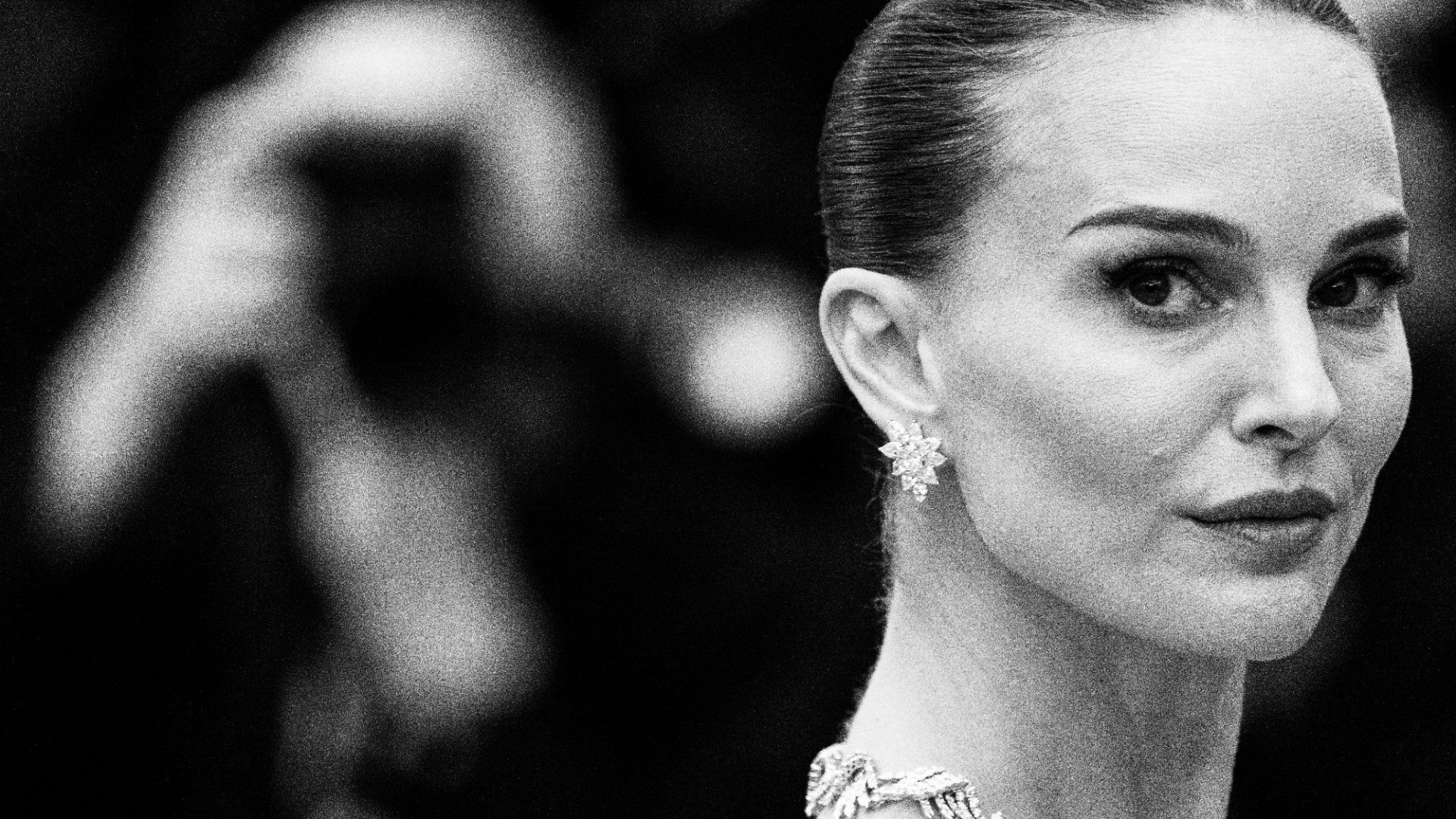
The second way to encounter this book is to be led by a narrative established prior to publication. Whispers began in the media that M was in fact based on the actor Natalie Portman – a person the author Rachel Cusk is acquainted with, since both live in Paris.
Once this knowledge is lodged in your brain, then the book is approached in a completely different manner. In fact, it becomes a supremely uncomfortable read, which one suspects is exactly what Cusk is aiming for.
Suggested Reading

Marilyn Monroe’s secret library
Like any biography, there are ethical questions at stake. If Portman and Cusk were acquaintances, does this book amount to a betrayal? Cusk, a literary provocateur, certainly draws on her own life and the people in it for creative material (her 2009 memoir The Last Supper: A Summer in Italy got her into hot water when one of the characters recognised themselves and sued her for libel.)
But in Life of M, Cusk has some buffers in place. Right from the first paragraph, the honesty of the narrator is already questioned. Are we about to read something that is entirely made up?
By the end of the book, the narrator admits that the person she has been writing about is a character she has created herself. Yet despite these disclaimers, there is enough material to easily identify Portman, and if that is the case, then it seems at best we are supposed to accept we are being presented with a fictionalised version of her.
Cusk cleverly exposes the genre of biography here, the implicit message being: isn’t that what all biographers do to a certain extent; take the basic facts and then tell a story? Doesn’t all biographical work involve some sort of creation? And she even hints at a much bigger question – in what way can we ever really “know” another person?
In a wonderful passage, the narrator feels this could only happen if you could get behind the masquerade, and use hidden cameras in someone’s home to watch them when they were unaware of being observed. More ethical boundaries!
Cusk extends this namelessness of her main character to every place and every person revealed in the book. While this gives the novel an out-of-time-and-space feel, it also invites an Agatha Christie-type reading – is the city with the ugly tower Paris? Is the photography exhibition of the doomed young woman Francesca Woodman? Who was the model at the branded book event? Who was the mystery person M had difficult personal conversations with?
Approaching this novel as transparent biography becomes an exhausting and frustrating task. Everything seems just out of reach, and the reading process itself becomes a fragmented experience, moving between the pages of the book to Google in order to try to establish some facts.
In all this ephemeral narrative, the one substantial thing that Cusk offers us is a Georges Perec-type level of detail when it comes to rooms and objects. Space, bodies, realities, self, are as wispy as air, but in contrast we are offered the solidity of fireplaces, the sturdiness of chairs, the impressive sweep of curtains, and large windows that look outwards and inwards on who knows what.
Places hold memories and yet Cusk’s narrator tells us: “The places themselves were indifferent to us.” Places hold a different reality, somehow more solid, and, unlike childhood or parents, “they have not disappeared.”
In the end, perhaps this is the one certainty that the reader can take away from Life of M. Places exist independently of our lives. People cannot be trusted, neither can memories, or the stories that others tell about us, but somewhere, be it a garden or a park or a room, there is the possibility of being grounded.
Life of M by Rachel Cusk is published by Faber