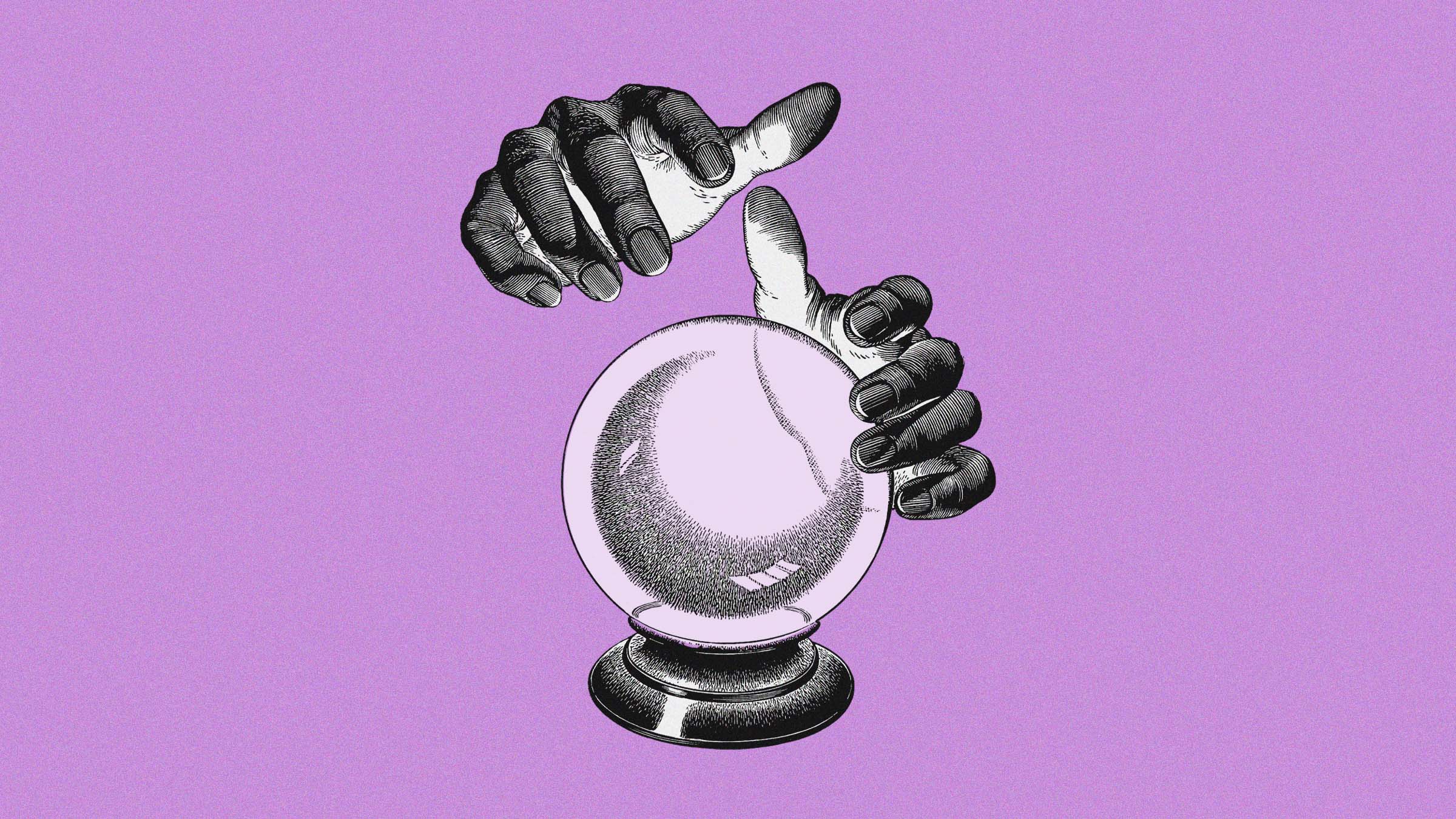
If you were asked to guess the fastest growing industries in the UK, what would you say? Green energy, perhaps? Housing or construction? What about AI?
All on the rise, yes, but that’s not the one I’m thinking of. Perhaps if you’re among the new customers of this burgeoning British service industry you already know the answer. That’s because, with a 5% annual growth rate, the biggest winner is “psychic services”.
The author and podcaster Elizabeth Day recently posted on social media about her decision to seek advice from a psychic after going through the trauma of multiple lost pregnancies. She received a huge number of responses, in which people shared their experiences of the occult.
That should not be such a surprise. A 2024-25 review of the sector by Ofcom found that 100,000 people in the UK regularly used paid tarot and astrology phone services. According to Credence Research, the broader “UK online psychic reading market” is projected to grow from £34.2m in 2023 to £55.5m by 2032. According to YouGov, a quarter of Brits say they have sought the support of a psychic. The popularity of this spiritual – or entertainment service, depending on your perspective – is now growing exponentially.
Let’s acknowledge it upfront: there is a temptation to scoff. But these figures give a very different kind of picture of our society, suggesting what we lack, and what we desperately need. Depending on your perspective, those who offer a psychic reading in return for money may be deeply intuitive and connected to others, clever readers of strangers, or dangerous, exploitative charlatans. Whatever your view, the rising demand for their services is very real. In times of global economic and social uncertainty, people are looking for something solid to hang on to.
Suggested Reading
Worried about the AI apocalypse? You’re already living in it
The clinical psychologist Michaela Thomas says the urge to seek predictability is part of the ordinary functioning of the human brain. It’s a reflex that helps us to understand the world and keep us safe. That urge is being heightened by the catalogue of alarming crises that spring from the relentless online information dump on our smartphones.
And so people try to reduce that uncertainty, most often through simple conversation and connection with others. But these “are getting harder and harder [to find],” Thomas says. “We live in an ultra-connected society where people are more isolated than you’d think.” Human connection is becoming harder to find – but then if you pay for your palm to be read by someone providing “psychic services”, your hand is being held by another.
Basic human reassurance is one thing – but the danger is a descent into magical thinking. Psychotherapist Lisa Bruton has seen this repeatedly in her clinic, particularly since the covid pandemic. When vulnerable people have seen institutions like the police, the government and the Church fail them, they turn to other leaders “purporting to care about them and have answers”, she says.
The same pattern is repeated in the rise of alternative medicine, which has also experienced an uptick in the post-pandemic years. Meanwhile traditional medicine is in a crisis of trust marked by dangerously low vaccination rates.
Does it really matter if people choose to spend their money in a way that comforts them? Individually, perhaps not – but when viewed more broadly, the picture becomes more concerning. The question is: what is the psychic now standing in for? Organised religion certainly. But after the effects of two decades of austerity, in some cases it is substituting for the apparatus of the state.
Suggested Reading
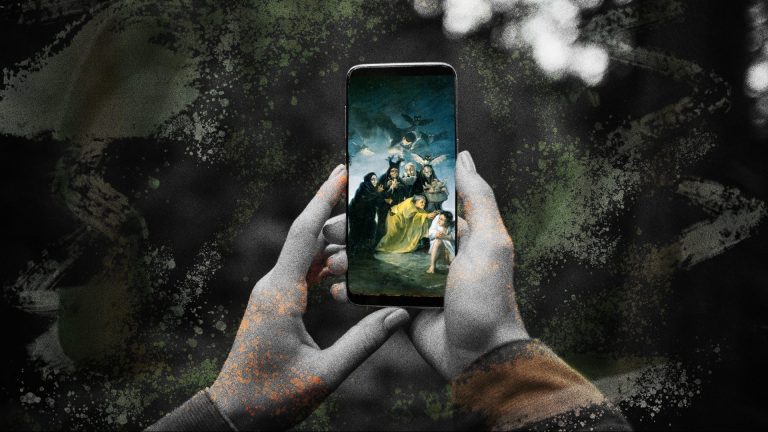
The witches of the internet
I spoke to Emma Parsons-Reid, a 56-year-old from Cardiff, one of the thousands of people who has recently contacted a psychic for the first time. She told me she made the appointment after facing “a really difficult eight years” which included caring for her ageing parents, menopause, family problems, her daughter’s marriage breaking down and her husband facing a battle with cancer. “I was drowning,” she says.
Her doctor referred her for therapy as she concerned about her risk of suicidal ideation. “I decided to see a psychic spiritualist,” she explains. It cost her £40 for an hour and included “visits from spirits” and a tarot reading. Parsons-Reid felt supported by it. “I always believed in something more,” she says, “and the advice I have been given has liberated me. I felt it gave me the permission to do what I knew I must do.”
The NHS mental health support she desired came later. Sociologists studying cuts to public services and assets after austerity say the lack of scaffolding for our lives is leading to a collective feeling of uncertainty that is reshaping our society. According to professor Sarah Marie Hall, a human geographer at the University of Manchester, this lack of predictability is a shared social phenomenon, cutting across class race and ethnicity.
“We’ve seen increasing erosion of social infrastructure, and that’s not just physical buildings, it’s also social structures,” she says. “It has left a lot of people in free fall.”
Social psychologist Dr Valerie van Mulukom, a lecturer at Oxford Brookes University, has seen the same pattern in her work, which involves the study of belief systems. She is deeply concerned about a “culture of exploitation” that is being allowed to proliferate in a world where income inequality and existential anxiety is leaving people desperately short of hope.
“Society has been sold and, with what we’re left with, we’re trying to fend for ourselves,” she says. “We fail people, basically.”
 Most popular
My truly deranged encounter with Trump apologist Kellyanne Conway
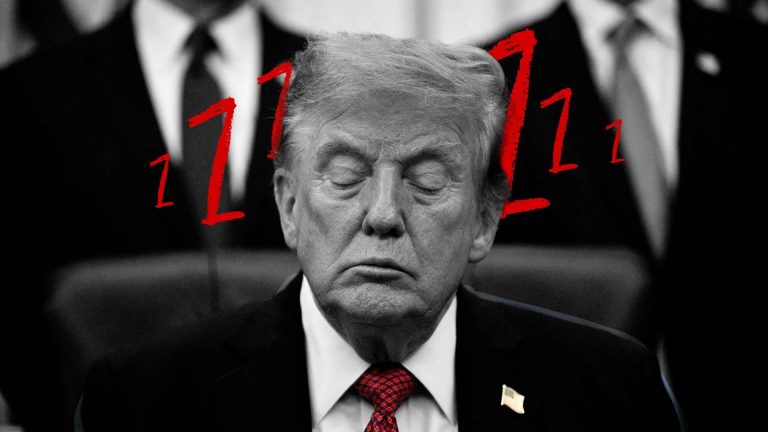
Is this the real reason Trump keeps falling asleep in public?
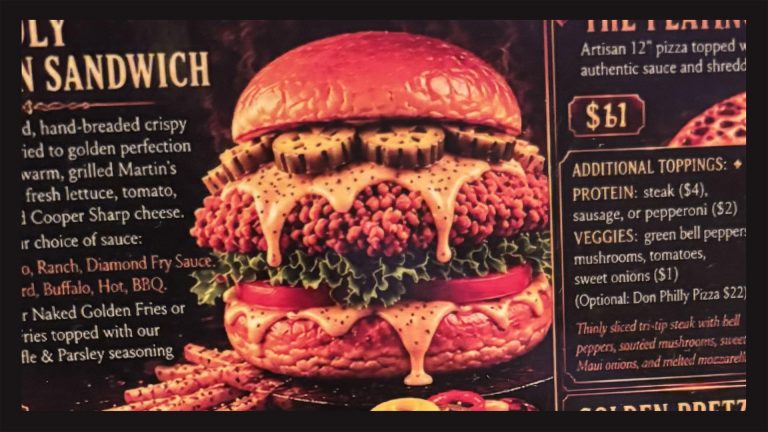
Why are all AI posters so bad?
23 stupid reasons why Britain should never rejoin the European Union