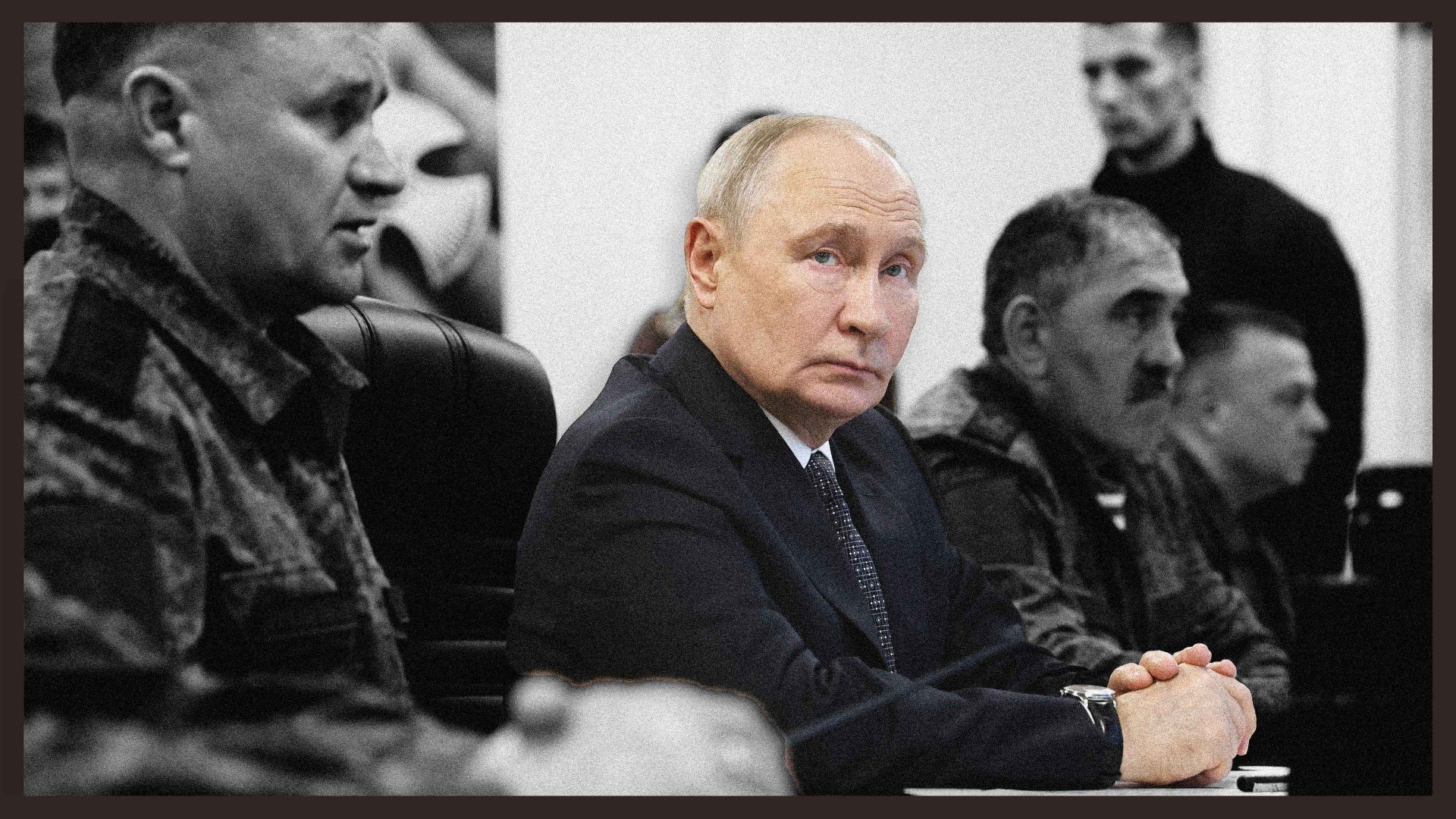
The Argentinian president, Javier Milei, was in a serious mood when he recently brought up the issue of the Falkland Islands. Milei demanded that the UK halt the Sea Lion offshore oil project near the islands, and issued a two-week ultimatum.
Milei, like many Argentinians, is fixated on the Falklands, and incorrectly believes they belong to Argentina. He claims the multibillion-dollar oil project is the “illegal plundering” of Argentinian resources.
Not that many Brits really care about the Falkland Islands, or Las Malvinas in Spanish. I recently met a thirtysomething Brit who, before living in Argentina, confessed they’d never even heard of the war.
In Argentina, things are very different. Younger people here are as obsessed with the Falklands as the older generation who still remember the war – which they definitively lost. Even the word “Falklands” is taboo, as I discovered when taken aside by an Argentinian at an otherwise fun party who said “word of advice: never say that here”.
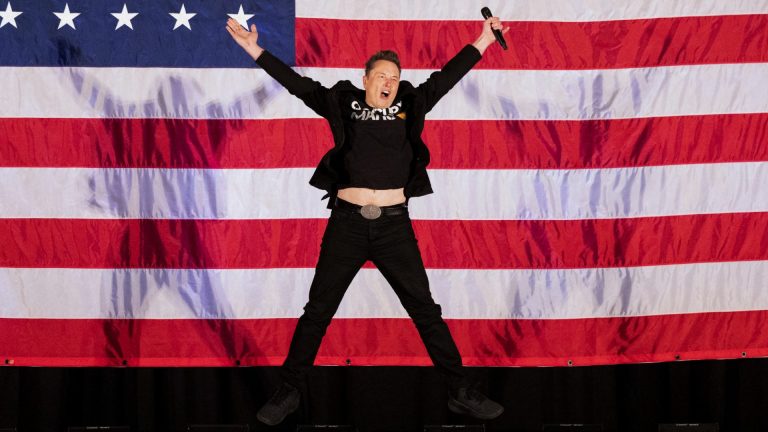

For some reason, the remote, cold archipelago of islands exerts a surprising pull on the imagination. Elon Musk once falsely claimed that the UK was considering sending far right rioters to “emergency detainment camps” in the Falklands. The Falklands appeared, bizarrely, on Donald Trump’s infamous tariff list. The £20m worth of frozen fish that the islands export to the US each year would incur a tariff rate of 42%.
Then in late 2023, president Milei announced that he wanted the islands back. There was a brief diplomatic panic, after which the then-prime minister Rishi Sunak was forced to say their sovereignty was “not up for discussion”. But this wasn’t one of Milei’s characteristic radical ideas. Every Argentinian president since the war in 1982 over the Falklands has said this. The fact is that so many Argentinians agree.
Sunak, and now Andy Burnham, had to reject Milei’s claims over sovereignty – but their response doesn’t necessarily reflect any strong British feeling. A YouGov survey in 2023 asked people in the UK how they’d feel if the islands were handed back to Argentina: 35% said they’d be upset, while 46% said they wouldn’t be bothered and 9% said they’d actually be pleased.
And if Argentinians really care about the islands and most Brits don’t, maybe it’s time to consider handing them over. Because they really do care about them – or at least, about the idea of them. Go to Argentina, and the term “Malvinas Argentinas” is on the walls of Buenos Aires’s kebab shops, on bumper stickers on cars chugging along Avenida 9 de Julio, on stickers in the front window of public buses, graffitied outside Congreso and in giant letters on the side of a suburban hospital where I was treated.
A group of social clubs across Argentina’s capital is named Malvinas Argentinas. Images of the islands are also widely sold as merchandise, including on a keyring that now, ironically, holds my British back door keys. Sometimes it’s accompanied by the word siempre, “always”.
Suggested Reading

Putin’s greatest enemy? It’s laughter
What’s often forgotten about the conflict on the British side is that there was no political consensus on whether to fight Argentina. When Margaret Thatcher declared war, Denis Healey said it’d be cheaper and easier to hand every islander £1m and fly them to the UK. There’s some truth in Healey’s quip. Britain’s continued imperial oversight of the Falklands costs Britain £60m a year, which includes a navy patrol boat. Over the course of 40 years, that puts the cost at roughly £2.4bn. There were only 1,800 Falkland Islanders at the time of the war.
All of which might lead to the conclusion that Britain ought to consider giving up the islands; if it weren’t for the issue of the people who actually live there, who have no intention of being anything other than British. In a 2013 referendum, Falkland Islanders were asked whether they supported the continuation of their status as an Overseas Territory of the UK. On a turnout of 92%, 99.8% voted to remain a British territory. Just three people voted against.
As for the Argentinians, I learned a valuable lesson last year. The minute I told someone I was British, I’d add, as a matter of course, “Malvinas Argentinas!” I’m not sure I entirely support what that slogan implies. But they’d laugh heartily, agree aggressively, then we’d drink some more Malbec and change the subject.