In a city shaped by the sea, the Castello district of Venice holds a special place. It has been dominated for centuries by its vast naval complex, the Arsenale, which still has links with the Italian Navy but these days is most closely associated with the Venice Biennale. The change of emphasis reflects the city’s faltering primacy over the sea as water levels rise.
Castello’s deconsecrated Church of San Lorenzo, said to be the burial place of Marco Polo, is home to Ocean Space, an “embassy for the ocean” founded in 2019 by TBA21 (Thyssen-Bornemisza Art Contemporary). Through exhibitions, research and activism, Ocean Space seeks to strengthen our relationship with the sea. The mission has special resonance in Venice, a city that has always depended on the flow of people, goods and ideas by water.
The repatriation of cultural objects is one of the most pressing issues facing western museums today. Tide of Returns, at Ocean Space to coincide with the 61st Venice Biennale, comprises two installations – From My Mother’s Country and Weaving Connections – by artists working as part of the Repatriates Collective, an artistic research project exploring repatriation.
It’s not only celebrated monuments such as the Parthenon Marbles or the Benin Bronzes that are returned. From My Mother’s Country takes inspiration from two recent projects involving dolls, which are revealed as repositories of female knowledge relating to rites of passage, ancestry and the preservation of cultural identity.
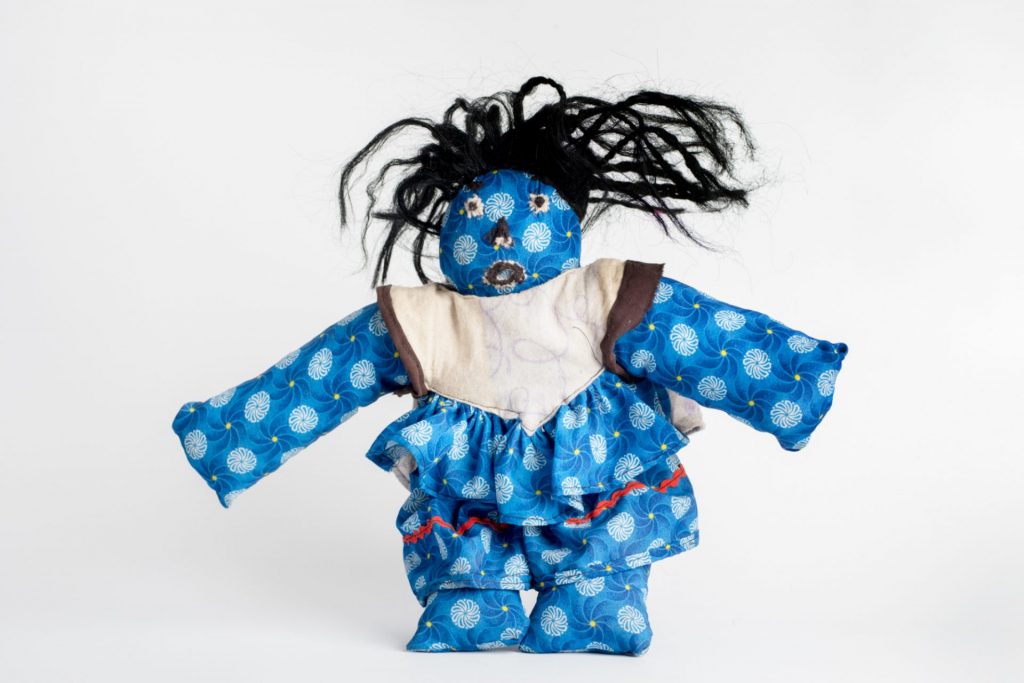
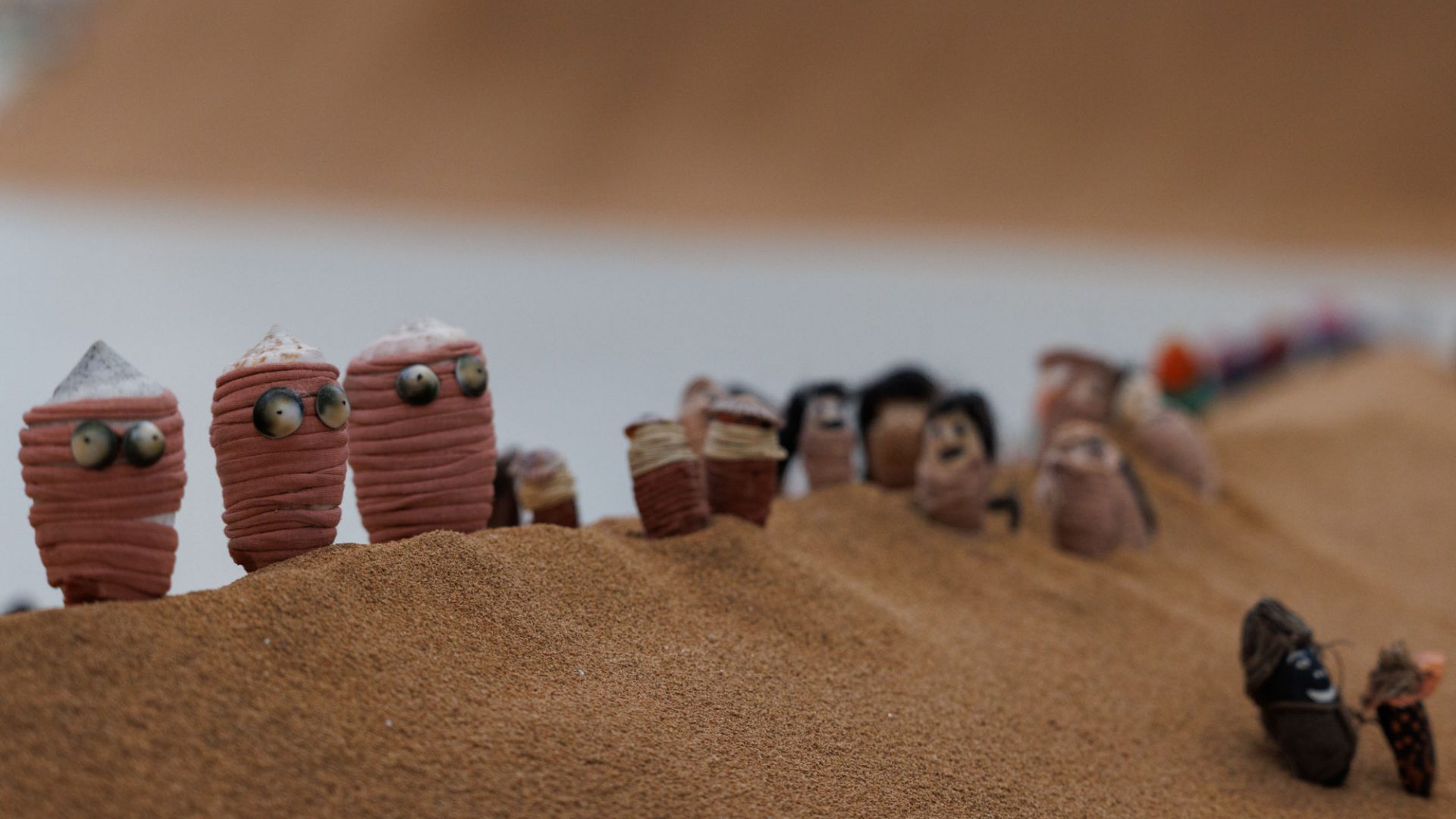
Thousands of tiny dolls populate recreated sand dunes in one half of San Lorenzo’s cavernous double nave, transporting visitors from perpetually damp Venice to the ancestral lands of the Anindilyakwa people of Groote Eylandt in northern Australia. An immersive soundscape accompanies a film by curator and film-maker Khadija von Zinnenburg Carroll.
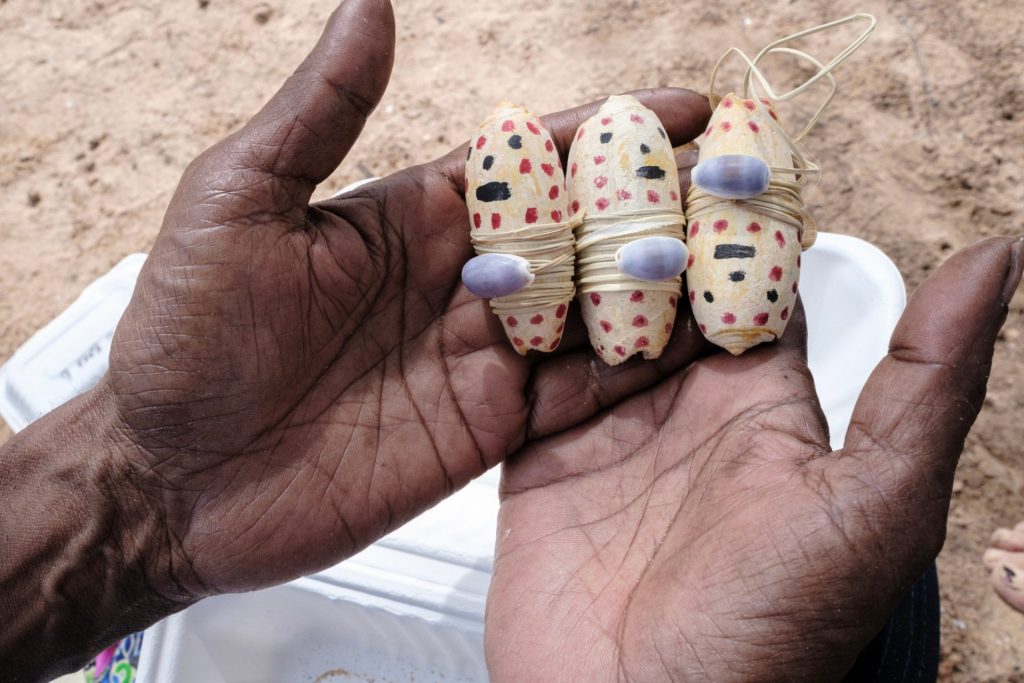
The shell dolls, known as Dadikwakwa-kwa, are believed to possess souls that can answer questions and offer advice. Caring for and playing with them is essential. For this reason, the Anindilyakwa people sought the return of a collection held at Manchester Museum, and in 2023 a formal handover took place. The repatriation revived a tradition that had largely disappeared alongside other Anindilyakwa cultural practices.
The return of the Manchester collection prompted the community’s oldest women to revive doll-making under the leadership of Noeleen Lalara of Anindilyakwa Arts. In exchange, the artists created a new set of dolls for the museum, donated on the condition that they are taken off display once a year to be played with.
The repatriation also transformed understanding of the dolls themselves. British sociologist Peter Worsley collected many in Groote Eylandt in the early 1950s, but appears never to have fully understood their significance, perhaps because the knowledge around them remained within women’s circles. Similar priorities emerged in Namibia, where representatives negotiating returns from German museums chose dolls relating to fertility and female knowledge rather than more spectacular artefacts.
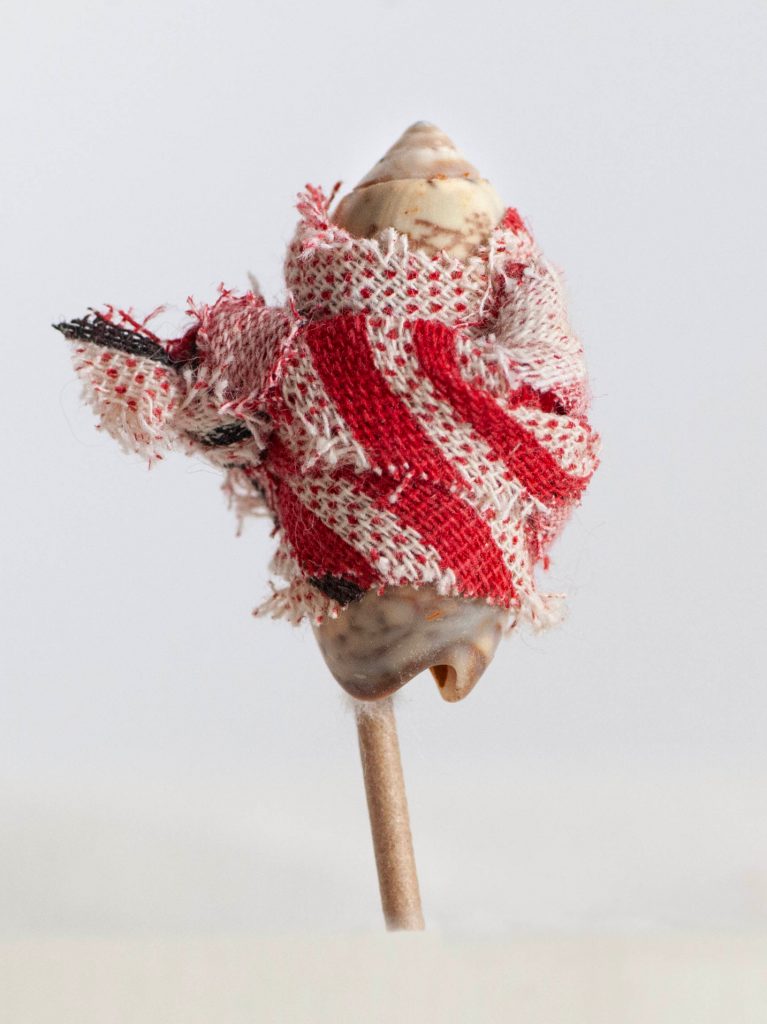
Workshops brought together artists from Groote Eylandt and Windhoek, enabling them to exchange materials, stories and techniques. Some of the Dadikwakwa-kwa displayed in Venice are made from Namibian materials, while others were made in Namibia using Australian materials.
In both cases, repatriation has reopened traumatic histories as well as recovering lost cultural knowledge. The western clothes worn by some Namibian dolls recall the genocide committed by German colonial forces against the Herero and Nama peoples between 1904 and 1909. In Australia, making the dolls reconnects women with ancestral lands.
The exhibition’s second installation, Verena Melgarejo Weinandt’s Weaving Connections, explores the repatriation of ideas as well as objects. Drawing on her German and Bolivian heritage, she examines the legacies of colonialism and the idealised image of indigenous peoples that she argues still persists in Germany. Through textiles and film, she uses water as both a metaphor for the flow of memory and culture, and as a symbol of cleansing and renewal.
Suggested Reading

The bitter beauty of Paula Rego
Tide of Returns demonstrates that repatriation is about far more than returning museum objects. It restores traditions, recovers cultural knowledge and reconnects communities across continents. Set within a city whose own future is inseparable from the sea, Ocean Space offers a compelling reminder that cultural exchange, like water itself, is always in motion.
Tide of Returns is presented by TBA21-Academy, Ocean Space, Church of San Lorenzo, Venice, until October 11