By the time you read this, I will be in Australia, and, looking at the schedule I’ve agreed to, I fear I will be absolutely knackered by the time I get back. Several keynote speeches, seven theatre shows, multiple media events for the new book, lots of meetings with politicians and others… though as Fiona said as I groaned and grumbled my way through the final itinerary, “you didn’t HAVE to go to Australia, you know.”
This is very true. I am in the fortunate position of being my own boss, though I am also, when it comes to taking on too much, my own worst enemy. I say “no” more than I say “yes” but I still say “yes” an awful lot more than I should.
It means that the original purpose of the visit – speaking at the Australian parliament in Canberra about politics and mental health – will be met at the end of the trip not the beginning, so I will be digging deep into my own persevilience reserves to ensure I am still standing by the time I get there.
The Canberra event is serious though. In common with democracies around the world, Australian politicians are finding that a combination of heavy workload, near-constant abuse, a sense of powerlessness and little praise or support is having a pretty dire impact on their mental health.
That matters to them as individuals, obviously. But it should matter to us all, not least because the experience of politicians today deters plenty of people from thinking about politics as a calling tomorrow, further narrowing the gene pool of would-be political leaders for the future.
Just as the UK has seen three politicians murdered in the last decade, Australians are still coming to terms with what happened to independent MP Helen Haines, the victim of a horrible attack in her Victoria constituency, which led to a double leg amputation.
Reports to the police of threats and harassment faced by federal politicians have doubled in the last two years, from 555 to 1,009. The Better Politics Foundation, which is organising the event, has found a similar story in the UK, Ireland, Germany and beyond.
Their “Fit to Lead” report, based on interviews with almost 300 national and local Australian politicians, reveals that their wellbeing scores are lower than those of people working in the blue-light services. Seven out of 10 say the role has harmed their mental health or wellbeing. Incidents of self-harm and suicidal thoughts are rising. Stalkers, and fears for the safety of themselves, their families and staff are making it harder to keep the easy access to MPs on which Australia, like Britain, prides itself.
It’s not all bad news. A huge majority say they would still recommend to others that they run for office, and remain conscious of the privilege of public service. But almost three-quarters say parliament is the worst workplace they have ever operated in. I hear something similar about Westminster.
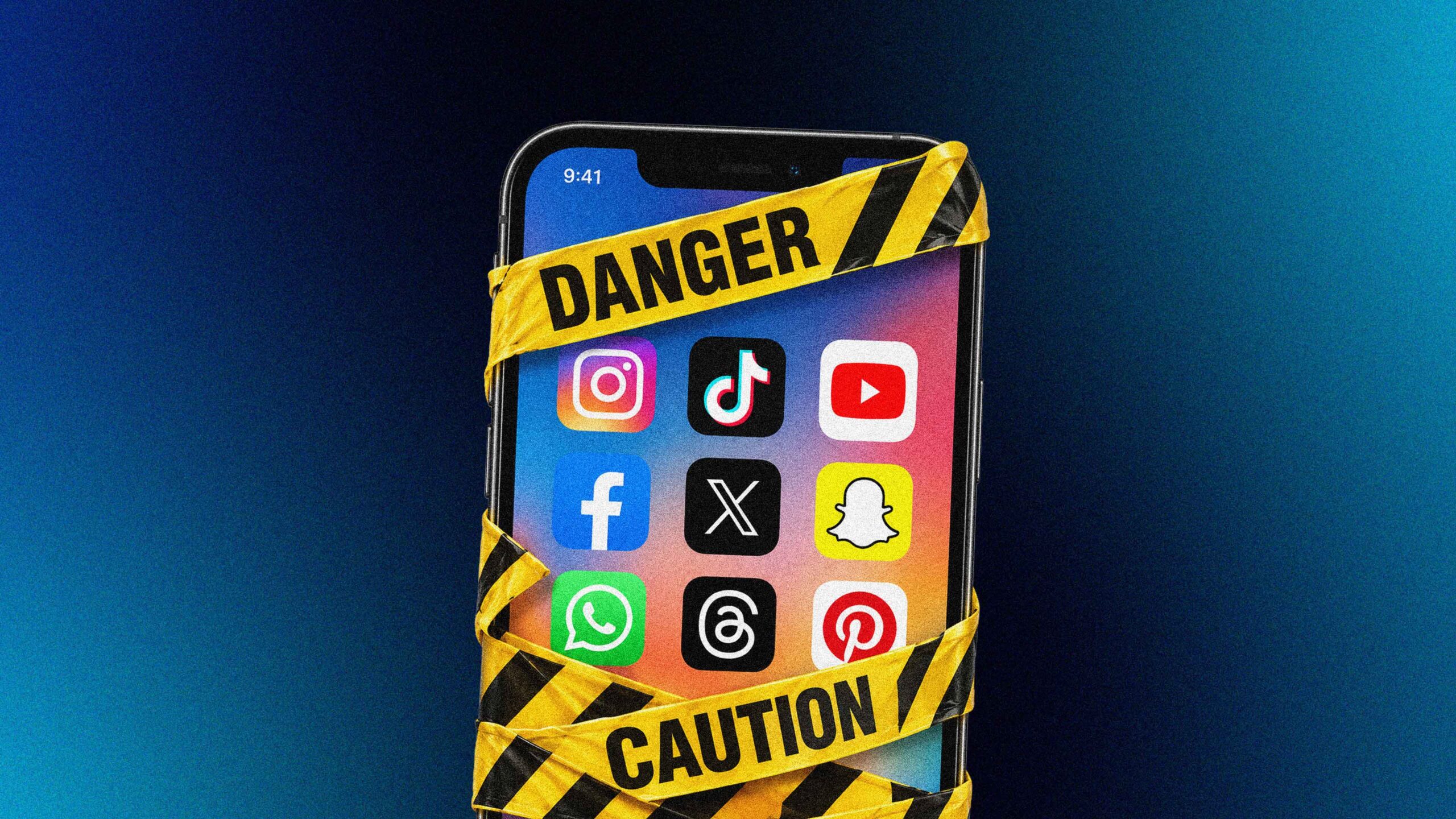
Social media, and the cesspit of abuse, hate and misinformation it has become since Muskification, is cited as the biggest contributor to this sorry state of affairs. It comes ahead of separation from family and physical safety in the list of reasons politicians give for unhappiness.
Now Aussies are often prone to talk of whingeing Poms and so some might be tempted to shout “whingeing politicians” at this. But the truth is the quality of our democracy pays a price when so many of our politicians feel this way. It hurts all of us, not just MPs and their feelings.
Talking of whingeing Poms, I forgot to mention that the Australia v England T20 clash at the Melbourne Cricket Ground is also on my schedule. I thought I would drop that in, just in case you were overdosing on the sympathy.
And talking of reports and stats – last week I mentioned the launch of the Back Young People Now campaign aimed at persuading the main parties to put young people’s wellbeing at the heart of policy-making. Alan Milburn was in attendance ahead of his report on Neets, which should become one of the defining documents of this parliament, if we are to address the intergenerational inequality that lies at the heart of so many of the country’s problems. (On which subject, hats off to the founders of another campaign, Grandparents Against the Triple Lock.)
Our campaign did a lot of consultation ahead of the launch and one finding in particular stood out for me. Fifty per cent of young people surveyed said they wished X had never existed. The numbers for TikTok were similar and even nice old Instagram had almost four in 10 saying they wished it had never been born.
Suggested Reading
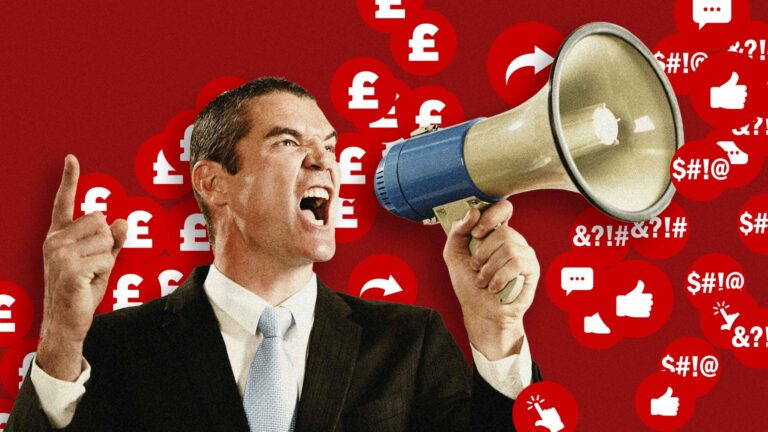

The ad industry knows it’s funding online hate – so why won’t it act?
Musk, Zuckerberg, Bezos and co… they have a lot of money and a lot of power, and doubtless the capacity to think of themselves as forces for progress and positivity. But I think we will one day look back on social media, and its impact upon the health of our children and our society, in the same way as today we look back at tobacco.
The lies that were told for it. The lobbying that was done for it. The vast sums spent on selling it as a public good, when harm was built into its business model.
I hope they think it was worth it. If the Pearly Gates exist though, I think they might meet a different judgment when they get there.
Since I started writing a column here more than a decade ago, I think I am right in saying I have never missed a single edition. This is part of the obsessive workaholic “I don’t need to do this but I am doing it anyway” mindset referred to above. A mindset which, as I have promised both Fiona, my kids, and my constant “slow down” chivvier Neil Kinnock, I intend to review on my return. (Fear not, the column is off limits in said review.)
I have also never missed a single episode of The Rest Is Politics since we launched it around the time of Russia’s invasion of Ukraine more than four years ago. Until now. I did try. But a combination of the schedule and the time difference made it impossible in the end.
My podcast partner, Rory Stewart, occasionally takes time off for meditative retreats and family holidays. Perhaps I should do the same.
He told me he was recently sitting next to a psychiatrist at a dinner who had listened to every episode and clearly taken it upon herself to analyse us both. The judgment… during the course of the last four years, Rory has moved from presenting his false self to presenting his real self. And apparently I would benefit from at least three sessions of therapy each week to address unresolved issues.
Invoice in the post I assume!
Historian Peter Frankopan is one of the cleverest people I know. He teaches at Oxford. He writes huge tomes of real weight and significance. He advises senior decision-makers around the world. All very broadsheet man.
But last week I discovered he can do the tabloid stuff too. We were speaking together on a panel and while we waited to go on, I raised the story of now disgraced and departed Nvidia boss Jensen Huang.
“My God,” he said, as we checked the then-crashing share price, “this has to be the most expensive shag in history.”