Orkney
Orkney is British by accident; the islands just off the tip of mainland Scotland’s most northern point were pawned in 1468 by the Danish king Christian the First as security against his daughter’s dowry. He never settled the bill.
Place names are Old Norse. Each May 17, Norwegian flags celebrate another nation’s Constitution Day. Local loyalties will have been split between Scotland and Norway this World Cup, though happily united against Team England.
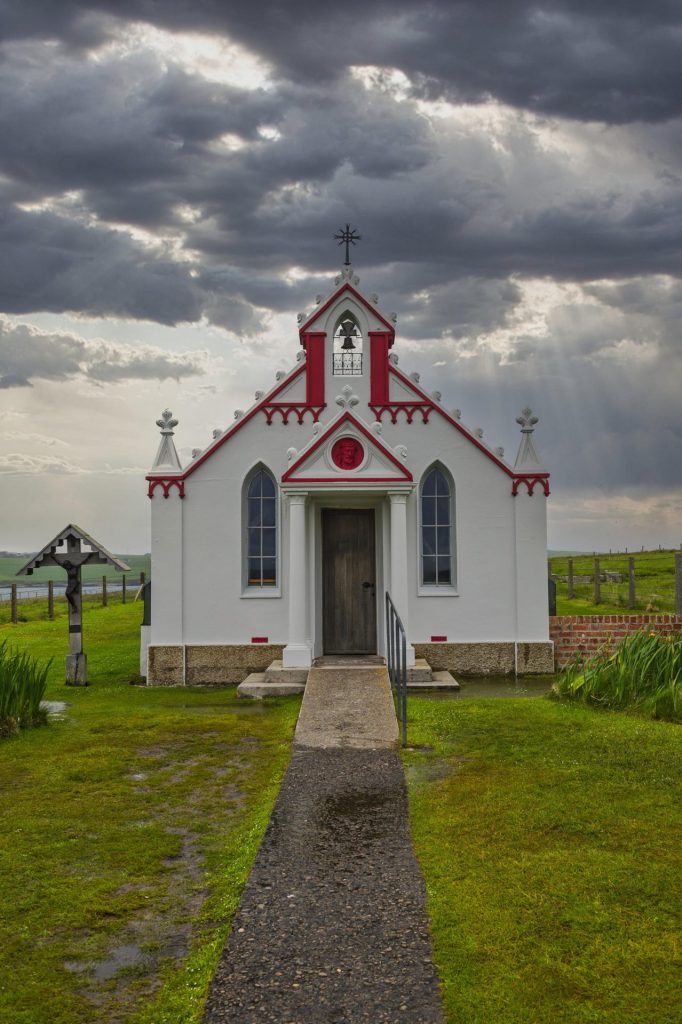
Viking runes scar neolithic tombs at Maeshowe. Beneath Scapa Flow, the Kaiser’s scuttled fleet rusts. One world war later, Italian prisoners of war converted two camp huts into a baroque chapel; the glorious spirit of Bernini lives in this rugged, majestic landscape.
In the capital, Kirkwall, a red sandstone cathedral is named for the Norwegian saint Magnus. But for the real magic of Orkney, arrive on the 90-minute ferry from Scrabster to Stromness, and make the short walk from the pier to the foot of the town’s ancient and winding main street to the Stromness Hotel. Find a place at the bar and order a pint of Orkney Brewery’s Dark Island. It is, and I do not say this lightly, Europe’s finest beer. Small wonder the Danes are keen to have Orkney back after all these years.
Matt Kelly
Sierra de Aracena, Spain
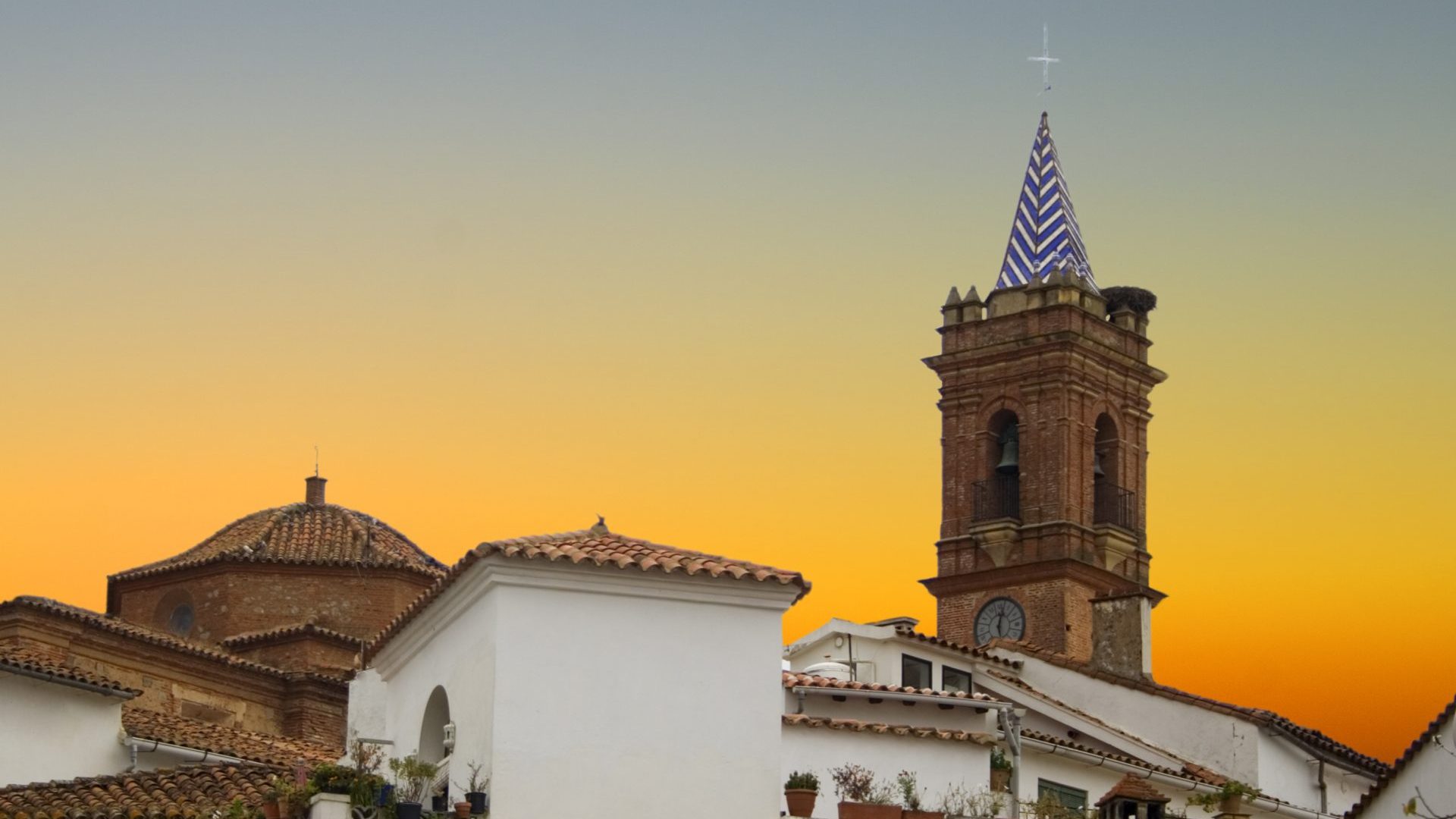
This gently mountainous natural park north of Seville is a rambler’s delight of chestnut forests and oak dehesa, where mushrooms are foraged and free-range pigs snout for acorns.
Its capital, Aracena, a dignified white town with a castle skyline, attracts mainly Spanish visitors to its spectacular underground caves and excellent, unfussy cooking, based on Ibérico pork.
Nearby Jabugo is the centre of the region’s jamón industry. Visit the ageing cellars at Cinco Jotas to understand the care that goes into producing the world’s finest ham, then taste the translucent slivers with a glass of owner Osborne’s famous sherry.
Half an hour north, tiny Cañaveral de León is famous for the highly unusual lagoon in front of the town hall. Once a spring-fed irrigation facility for the valley below, it is now painted dazzling blue and white and surrounded by cafes, drawing families from miles around to jump in and cool off.
Peter Barron, author, Frommer’s Spain
Laugarás Lagoon, Iceland
Iceland has no army, no McDonald’s, and a phone book sorted by first name. The Icelandic sagas were written by no one in particular, just anonymous farmers and priests, jotting down centuries of feuds and revenge killings. But drive an hour out of the capital, and the stories, farms, and landscapes stop feeling like literature.
Route 1 loops the whole island, with south Iceland offering scenes of thundering waterfalls, Icelandic horses watching the traffic with indifference, and glacial rivers cutting through black volcanic sand on their way to the sea.
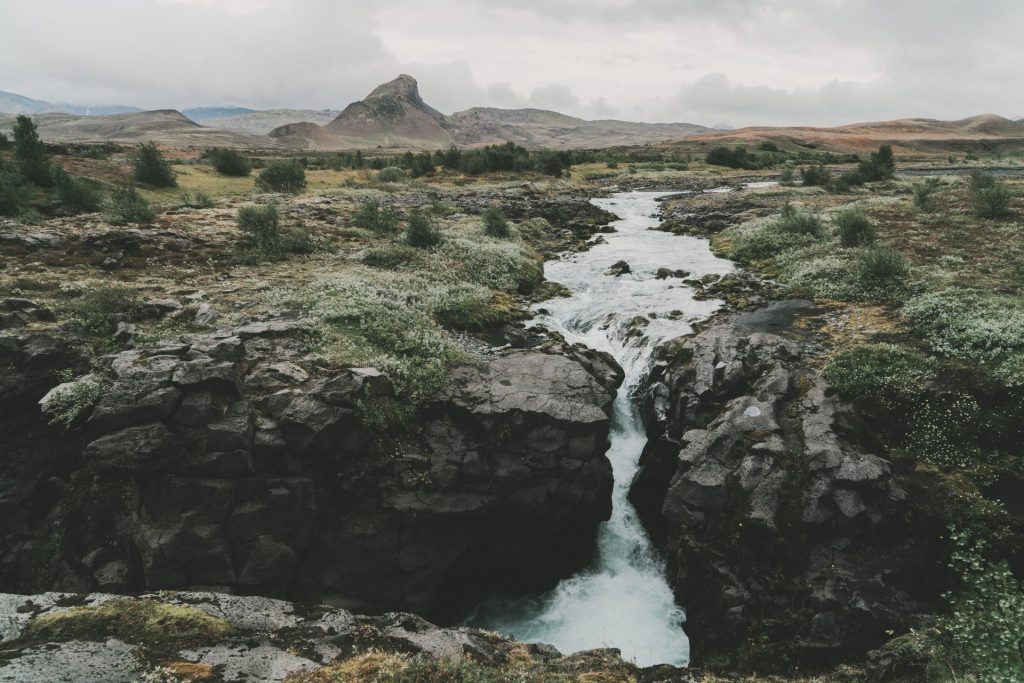
Laugarás Lagoon, a scenic spot on the banks of the Hvítá River, is warmed by the same geothermal water that heats the nearby greenhouses. At night, enjoy your evening at a remote guesthouse, sip some Brennivín, and remember a farmer once sat nearby, deciding a feud was worth writing down.
Jenna Gottlieb
Mount Circeo, Italy
Mount Circeo is a promontory that juts out into the sea just south of Rome. It’s a place of pristine beaches and wild nature – but it is also loaded with mythical significance. This is where Odysseus, on his return from Troy, fell prey to the Sorceress Circe, hence the name. She bewitched him and turned him into her slave for 10 years.
He was kept prisoner inside a tiny sea grotto, which you can visit on guided boat tours from the picturesque harbour of San Felice Circeo.
If you look hard, you can “see” the witch – her profile is sculpted on the skyline of the mount. It has the shape of a sleeping woman with long hair, a long dress, and hands joined together in prayer.
Mount Circeo is part of a lush natural reserve that’s patrolled by wild boars. It overlooks miles of sand dunes with clear waters, and a maze of sea grottos with prehistoric graffiti and burial sites. The beaches are dotted with freely grazing buffalo and the mozzarella they produce is just as bewitching as Circe herself.
Silvia Marchetti
Edirne, Türkiye
Tourists love Istanbul, and for good reason. But there is an overlooked city in the European corner of the country which, from 1369 until the conquest of Constantinople in 1453, was the capital of the Ottoman Empire.
The city of Edirne has spent much of its history being fought over. Russia occupied it twice, Bulgaria took it after a siege, and Greece held it for two years.
Today it is a quiet city, at the tri-border point of the Turkish, Greek and Bulgarian borders. The shops put up signs in all three languages.
Edirne became one of the Ottoman empire’s major Sephardic Jewish centres after the Jews were expelled from Spain in the 15th century. The recently restored Great Synagogue of Edirne is spectacular. It is one of the largest synagogues in Europe.
Compared with Istanbul, Edirne has the Balkan feel of Sarajevo, Prizren or Skopje, mostly because Edirne has preserved its traditional market, or çarşı, culture.
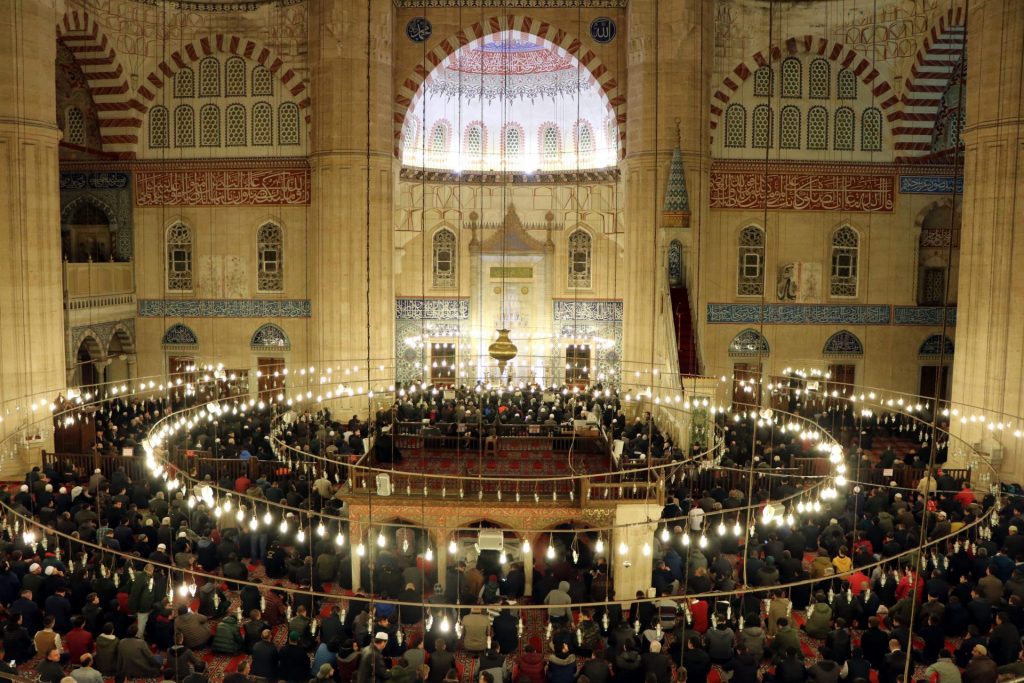
An important piece of information for Unesco World Heritage Site fans: the massive 16th-century Selimiye Mosque in the city centre was built by the most famous Ottoman architect, Mimar Sinan. Sinan himself called it the “masterpiece of his career”.
After taking in all the history Edirne has to offer, a perfect way to end the day is to enjoy a local dish at a restaurant next to the Meriç (Evros/Maritsa) River. Ciğer tava (pan liver), thinly sliced, fried beef liver served with dried chilli peppers, is one of the city’s signature dishes.
Volkan Isbasaran
Rügen, Germany
I had never heard of Rügen before moving to Berlin. Yet Germany’s largest island has long been a favourite escape, famed for its dramatic coastline, smoked fish and elegant seaside resorts that lured aristocrats and artists in the 19th century.
Floating off the coast of Mecklenburg-Western Pomerania in the Baltic Sea, Rügen is best known for its gleaming white chalk cliffs, which rise dramatically from the water and give Dover a serious run for its money. The scenery made such an impression on Prussian Crown Princess Victoria, Queen Victoria’s eldest daughter, when she visited in 1865, that one of the island’s most spectacular viewpoints was named in her honour.
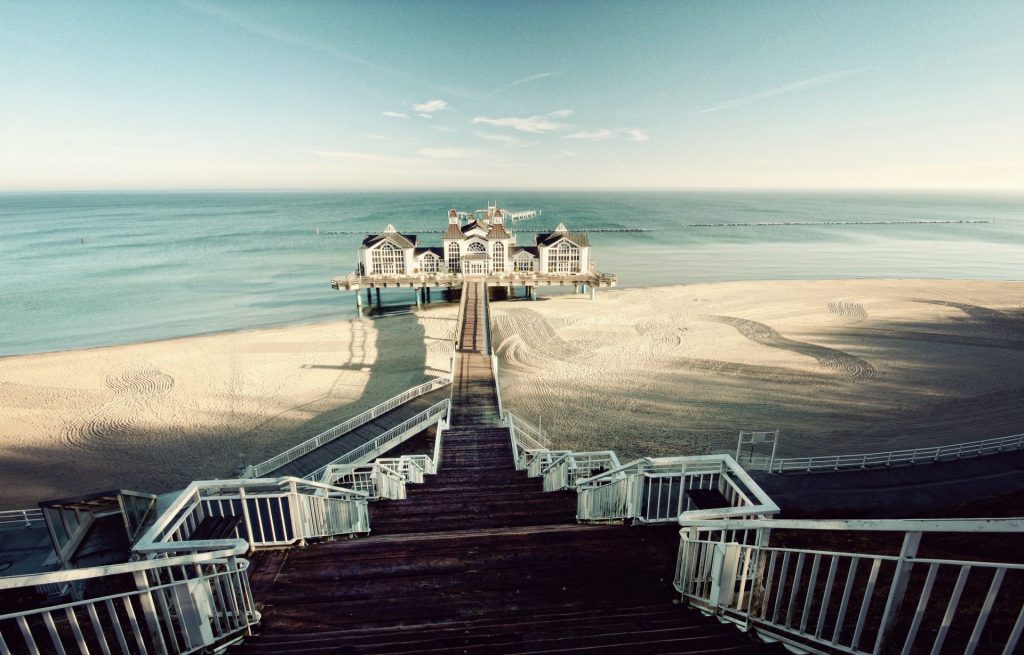
If you’re feeling energetic, you can tackle the climb from the beach, via a wooden stairway of 412 punishing steps, or take the more leisurely route through ancient beech forests, now a Unesco World Heritage Site. The landscape is so striking that it inspired the great Romantic painter Caspar David Friedrich, whose haunting visions of Rügen helped immortalise its cliffs and forests.
Fascinating, if decidedly less picturesque, is the colossal Prora resort complex. Conceived under the Nazis as a holiday resort for 20,000 workers as part of the “Strength through Joy” programme, its vast ranks of concrete buildings were never fully completed. After the war, Prora was used by the Soviet and East German militaries before being reinvented as a youth hostel and a collection of holiday apartments.
And don’t miss Stralsund, the historic Hanseatic port city that serves as Rügen’s gateway. Its cobbled squares, handsome gabled houses and soaring Gothic cathedral took my breath away after a week’s hard work on a farm cleaning stables and feeding pigs in an attempt to learn German.
Lucy Ash
Olhão, Portugal
Away from the retired footballers on the golf course at Quinta do Lago, away from the neon-and-shots strip of Albufeira, away from the superyachts at Vilamoura, Olhão is a different, better Algarve. It’s a unfussy working port, not a tourist trap.
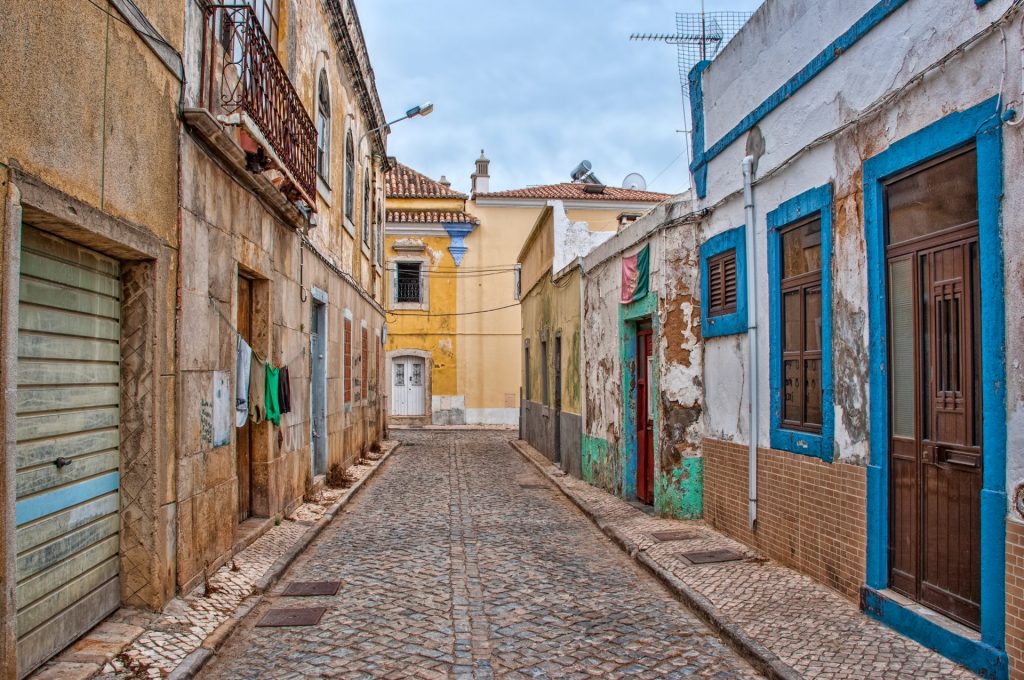
This is what you do in Olhão: in the morning, you dip through the warren of alleys in the old town, with their Moorish houses and cracked azulejo tiles, and choose magnificent fish and seafood, fruit and veg, cheese and ham in the twin brick-coloured market buildings. You might go back to the market cafes for lunch, people-watching and prawn-devouring. You might get a ferry to the beaches on the islands of Armona and Culatra, walking through the dunes before a dorada lunch and a cold Sagres.
In the evening, a bad dinner is impossible. You will have the best one sitting outside Chá Chá Chá. You will eat black pork, warm butter beans with tomato and ricotta and a plate of ten plump and lovely grilled prawns. You will have a glass of Pét nat and a white port and tonic and for a couple of hours, the golf, the strip, the yachts, Donald Trump and Nigel Farage will feel wonderfully far away.
Steve Anglesey
Coastal Dunes, West Netherlands
The Netherlands is famously devoid of elevation. It’s so flat that the bike-riding population of Amsterdam jokingly refer to canal bridges as the Dutch mountains. Yet, in the waterlogged west of the country, there’s one main, quietly spectacular, exception to this rule: the coastal dunes.
They were formed by the sea and the wind interacting with sediment deposited over thousands of years by some of Europe’s major rivers. Now, the dunes are the main Dutch defence against the sea, never mind all the hoopla about dykes and polders.
The real joy of the dunes, though, lies in their windswept beauty. Lying as they do for a large part along the edge of the Randstad, one of the most densely populated areas in Europe, they provide a welcome escape.
They may not be the equivalent of a mountain range – the famously steep “climbing dune”, right in the centre of the town of Schoorl in North Holland is a modest 51 metres. But climbing to the top might leave you slightly out of breath. It’s the Dutch way.
Ferry Biedermann
Santander, Spain
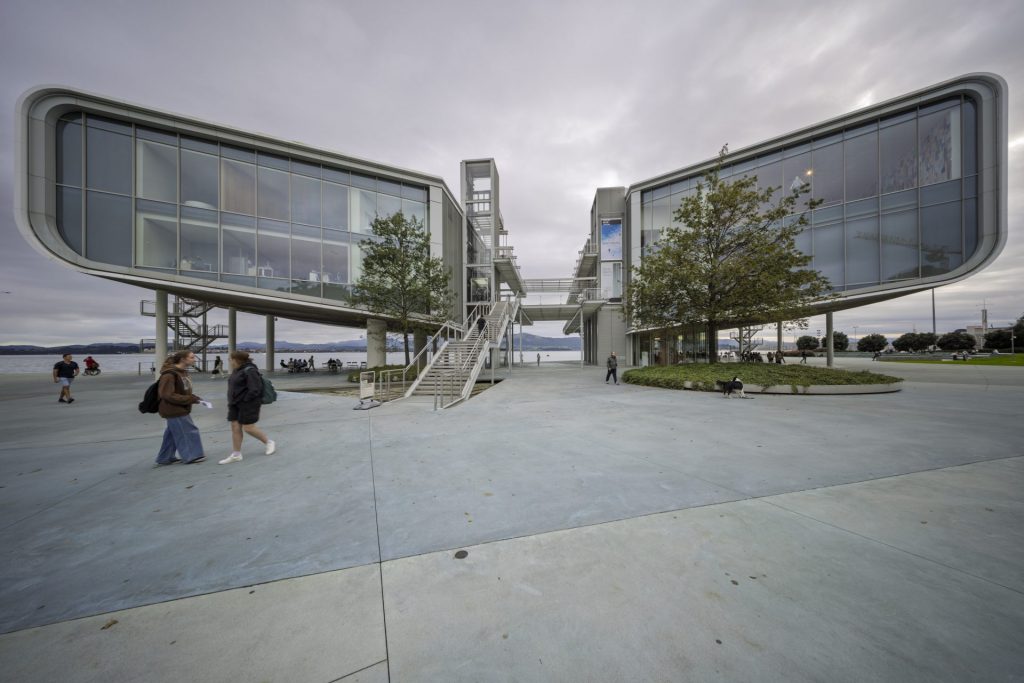
The northern Spanish city is small, but it punches above its weight. You can see it in the Centro Botín, a museum designed by Renzo Piano, whose other works include the Centre Pompidou and the Shard. Most of its shows are temporary but the permanent collection, of exactly 17 pieces, is perfectly formed – just like the place it calls home.
The shape of the city means that the sea is seemingly everywhere, though you can also notice that by heading to just about any restaurant. Santander lives on albacore tuna, which it calls Bonito del Norte, and which you should really have as a tortilla topping for breakfast. Well, you should also have it for lunch, alongside a glass or three of vermut.
If you’re feeling adventurous, there are many Palaeolithic caves in the region, though, between us: there is no shame in deciding to stay on the white sand beaches instead.
Marie Le Conte
Pelion, Greece
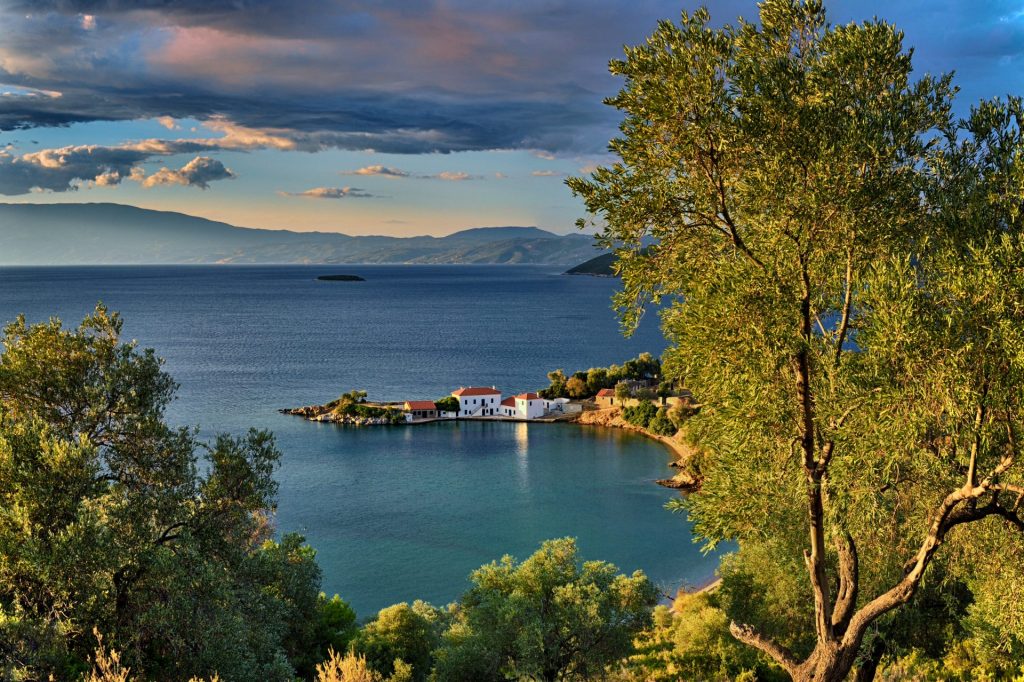
When it comes to picking holiday destinations in Greece, most visitors are wooed by the islands. The mainland rarely gets the attention it deserves, which in many ways has been Pelion’s saving grace. This mountainous peninsula midway between Athens and Thessaloniki still feels wonderfully undiscovered.
Extraordinarily lush, its tree-cloaked hillsides tumble down towards craggy coves and crystalline waters. It’s an exceptional spot for hiking, with trails winding their way past waterfalls and rocky gorges, through dense forests where – according to mythology – the centaurs roamed.
Take the winding road upwards from the city of Volos to find a series of idyllic stone villages (Mouresi and Tsagarada are particularly pretty) with slate-roofed houses and cobbled lanes.
Here, you’ll find plenty of snug bed and breakfasts and old-school tavernas where you can relax with an ice-cold glass of ouzo and hearty serving of spetzofai (local sausage in tomato sauce).
Hester Underhill