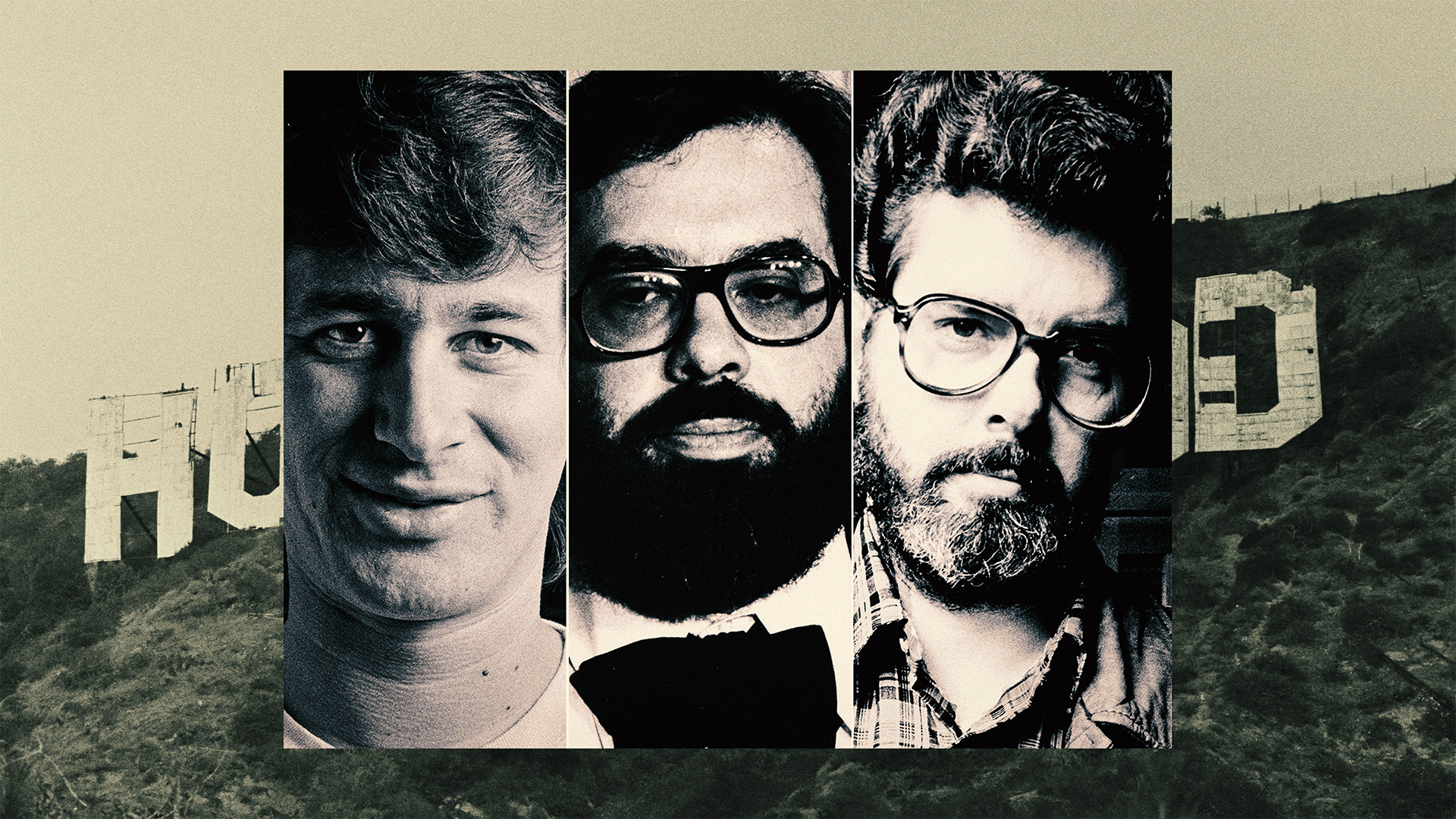
“He never gives you what you expect, and whatever you think you know about him, he always takes you somewhere else,” the critic Adrian Searle once said of Sir Steve McQueen.
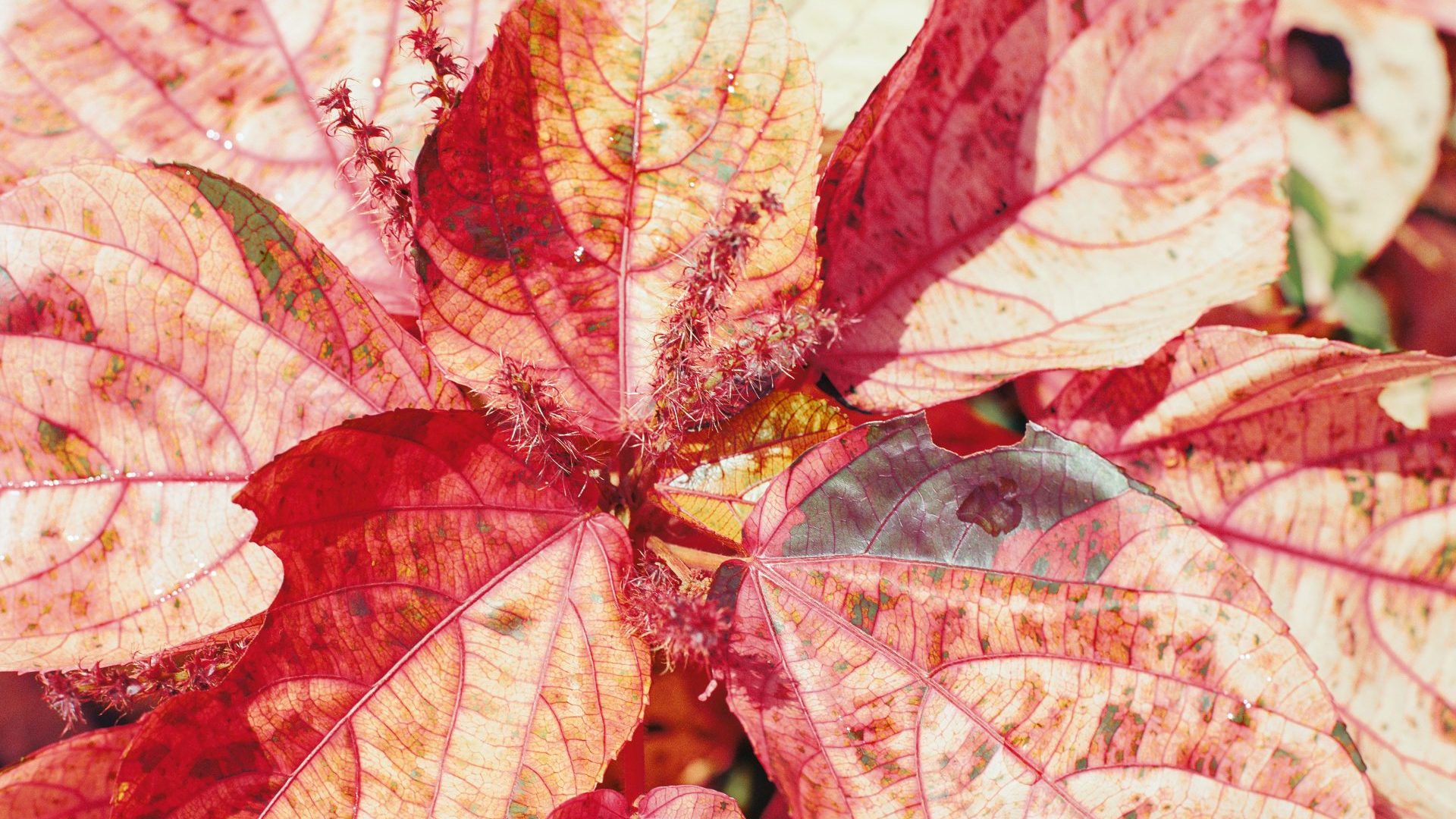
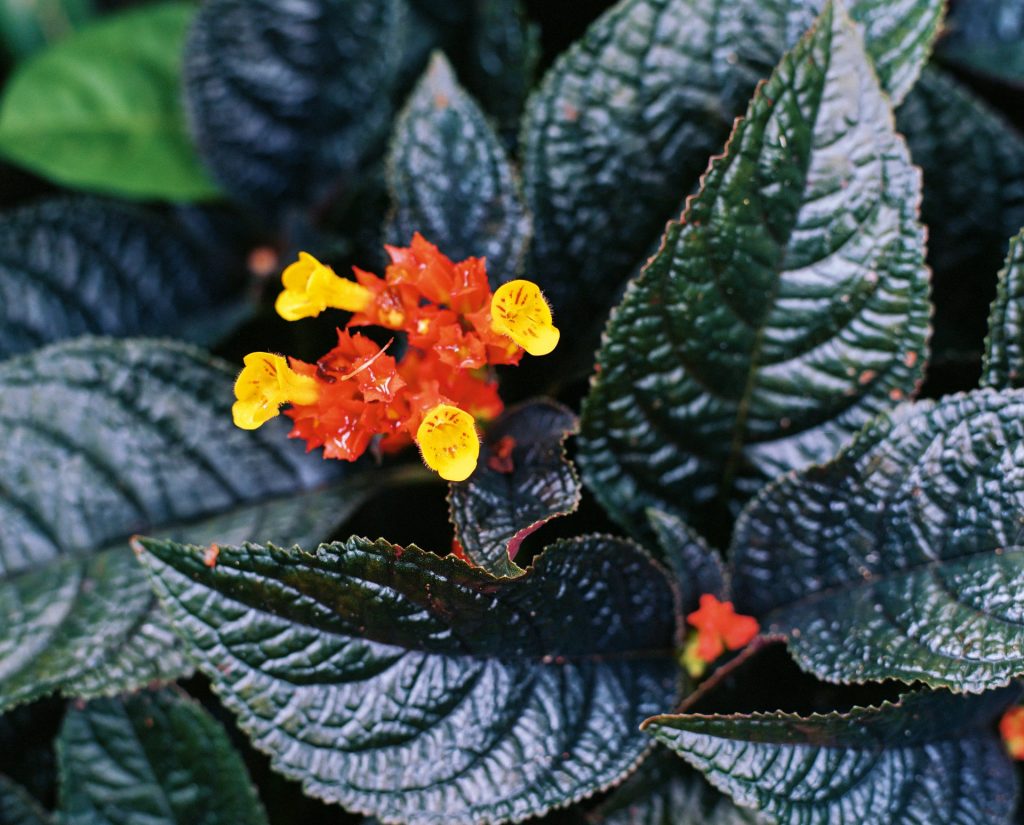
After a string of compelling and contrasting screen projects – among them the compact, joyful Small Axe: Lovers Rock (2020) and the monumental, experimental Occupied City (2023) – Bounty is unexpected. It is not a glossy, feminist, Hollywood thriller (the underrated Widows, 2018), or a claustrophobic Michael Fassbender masterclass (Hunger, 2008; Shame, 2011), or an anthology series, or a documentary that has recently played at Amsterdam’s Rijksmuseum in a 34-hour version. Instead, radically, it is a visually gorgeous book of 47 vivid photographs of plants and flowers, prefixed and suffixed by poems by Dionne Brand and the late Derek Walcott.
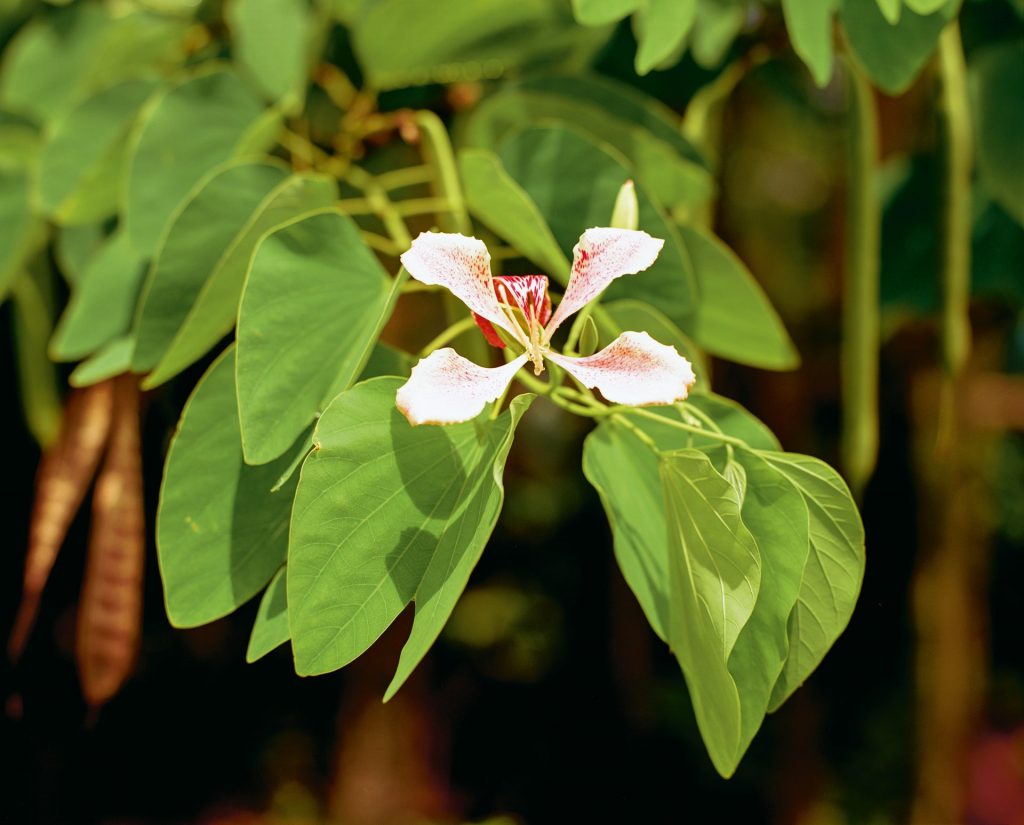
In the hands of numerous Oscar-winning directors, a project like Bounty could be viewed as a breather, even an indulgence. With McQueen, of course, it is far more – this is subversive sumptuousness, and the roots of his flowers are entwined with those of 12 Years A Slave (2013), the series Uprising (2021) and Small Axe, as well as the streaming film Blitz (2024).
In Bounty, the somewhere else McQueen takes us to is Grenada, where his father grew up, a paradise stained by the brutal past and painful legacy of colonialism. The title refers not just to the gifts of resilient nature displayed here, but to the sums paid to slave catchers who brought those they captured in Nigeria and Ghana to the island for forced labour on British-owned cotton, sugar and tobacco plantations.
Suggested Reading
A blue world hangs in the balance
In 1795, the mixed-race, French-speaking plantation owner Julien Fédon led a rebellion that would have freed the slaves. By the time it was finally crushed, around 7,000 enslaved people – about a quarter of the total on the island – had been killed, with nearly 100 executed by hanging and then decapitation. Five hundred more were kept alive but shipped off the island to be enslaved elsewhere.
The flora McQueen shows us here sat silently, beautifully, through these atrocities.
“They have been constant witnesses of turmoil and upheaval,” he says. “Sometimes the most horrific things happen in the most beautiful places. That’s the perversity of life.”
Bounty (2026) by Steve McQueen is published by MACK. Atlas (2026) by Steve McQueen is at De Pont Museum until August 30, 2026