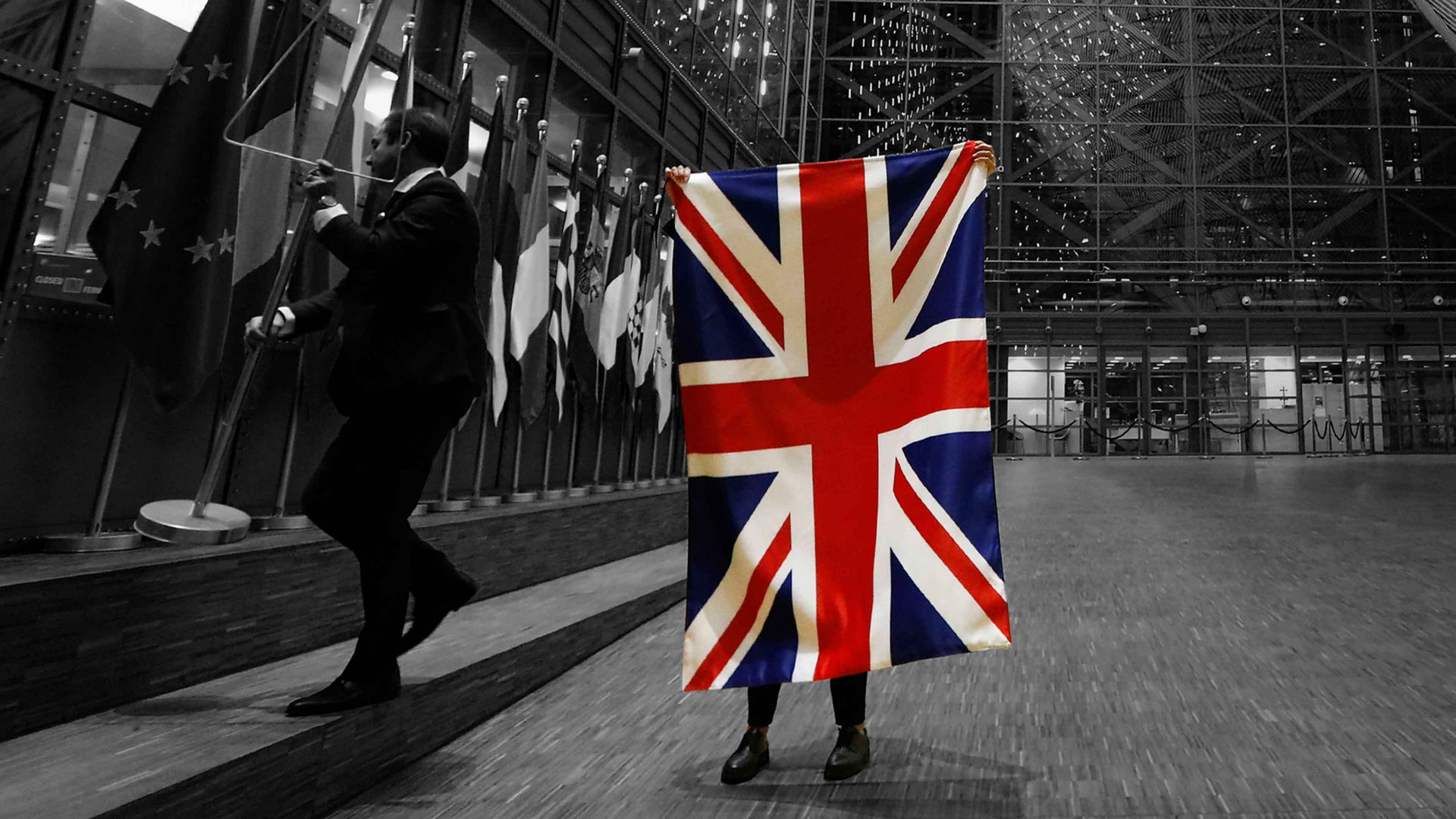
Someone asked me at a party recently whether I was doing anything to mark the anniversary of the referendum. I am not. I muttered something about wanting to look forward, not back. It is more complicated than that.
I suppose you could say my opinion was vindicated, and that might be a reason to mark the date. A decade on, Britain is an unhappier, more divided place, and leaving the EU has brought no discernible benefits.
Billions of pounds and extraordinary effort have been wasted on a project that made the country poorer. But only a Remainer with the most callous Schadenfreude – and presumably one with an Irish passport – would rejoice at that.
No, the only decent excuse for a Ten Years On get-together would be a post-mortem. And God knows I’ve had enough of those.
Why (yet again) did we lose? Why has the lack of any tangible Brexit benefits not finished off Nigel Farage? But it all tends to end in God-people-are-so-bloody-irrational, and the populist right loves nothing more than when we deplore the referendum result. The people spoke, get used to it.
We should remember, though. The memory hole is too convenient a place to stuff all that idiocy. What we all said and how we behaved at the time matters.
Unlike everyone else with a leading role in the referendum, Dominic Cummings refused to take part in the BBC’s Brexit: A Very British Civil War, a final insult to the country he deranged. Listening to Boris Johnson and Michael Gove justify themselves and Peter Mandelson hold forth is painful, but it offers a bitter kind of catharsis.
Suggested Reading

Ignore the Daily Telegraph: the Brexit horror stories are true
Nigel Farage, of course, believed in Brexit all along, and does not explain why he campaigned for it, or why it has so abjectly failed. He recalls the period with wry nostalgia.
For Johnson, it came down to this: he wrote two articles, one in favour of Remain and one for Leave, and the Remain article just didn’t excite him very much. His sister Rachel told him that the arguments in the Leave piece were weak, but in the end the only thing Remain offered him was loyalty to his old Eton rival David Cameron, and that wasn’t appealing. Great Men must act this way, else how would history ever happen?
Gove seems to have sincerely thought that the pursuit of sovereignty justified Brexit, and perhaps we should respect the zeal of the ideologue.
Jeremy Corbyn indulges in some sophistry. During the campaign he refused to say he personally backed Remain, changing speeches to read “the Labour movement” rather than “I” because “there’s no I in Corbyn”. It’s not easy to admit that you never really believed in the cause you were campaigning for, especially when you traded on a reputation for sincerity, but after this documentary it is fairly obvious he was one of the 25,180 Islington residents who voted Leave.
The ‘£350m for our NHS’ bus arrives. (“Love that bus, love it, bus of truth by the way,” says Johnson, who knows how many Remainers will seethe to hear it.) The Stronger In campaign counters with a tepid event at which Liz Truss warns British households they will be £4,300 worse off if they vote Leave. “Liz Truss wasn’t Liz Truss then,” explains Amber Rudd, though the grim, robotic delivery is unchanged.
Cameron persuades Barack Obama to say that we would be at the back of the queue for a trade deal; Mandelson recalls that he was delighted to hear it, in one of his many failures to read the room.
Looking back, it is striking just how little visible enthusiasm there was for Remain, compared to the cheering fans who turned out to greet Johnson and Farage. Many of us only discovered our affection for the EU when it was too late.
Was there ever an attempt to explain what the Single Market did, or to evoke the freedom to live and work in Europe? No: Stronger In was a succession of dire warnings, culminating in the spectacle of Bob Geldof and fishermen ragebaiting each other on the Thames.
Then Jo Cox MP was murdered by a man who shouted “this is for Britain” as he attacked her. The campaign was suspended. Farage complained Remain were associating him with violence. Plus ça change, as the riots over Henry Nowak’s murder remind us.
The beginnings of the 10-year culture war are all visible in this documentary: lies so audacious they blindsided their opponents; the left barely concealing its divisions; the complacency of some on the Remain side, ignorant of what austerity had begun to do – and the grift.
Suggested Reading
Why have we let Putin get away with it for so long?
The referendum was the moment when the far right realised what it was capable of, and how willingly ambitious men and women would harness themselves to its cause. Farage used Johnson, Gove and the rest, keeping them at arm’s length during the campaign, knowing that their subsequent failure would disgust the public.
“We didn’t have a plan for what to do next, because we didn’t think it was our job to have a plan,” Johnson confesses at the end of Brexit: A Very British Civil War. But someone did.
Now he and Gove have crawled back to journalism, and Reform is steadily destroying the Conservative Party. For Farage, Brexit was just the beginning.
Brexit: A Very British Civil War is on BBC iPlayer.