
It’s a sobering thought that the term “evidence-based medicine” was only coined in 1991 – and that until the 1990s the whole idea was something of a niche pursuit. As science writer Helen Pearson shows in her new book Beyond Belief, the notion that it is worth finding out systematically if an intervention in health and medicine actually works was barely acknowledged before the 1970s, and faced considerable opposition in its early days.
Medical practice was typically conducted on the grounds that “that’s how we’ve always done it/that’s what I was taught/that’s how the experts say we should do it.” These days, mercifully, it’s routine to conduct trials to see if an intervention or treatment has the benefit it is claimed or hoped to have. (Pearson points out that political policy-making and business management have generally yet to reach this stage of evolution.)
The gold standard of evidence-based medicine is the randomised controlled trial (RCT), in which participants are divided at random into two or more groups, one of which receives the treatment and the other doesn’t. This, for example, is the way clinical trials of drugs are tested to see if they work. To be persuasive, an RCT should have a large number of participants and should follow various other protocols, such as the assignations being made “blind” so that the researchers themselves don’t know until afterwards which group they are putting people in. The idea is good in principle, but not all interventions can be tested this way, either for practical or ethical reasons. Even when they are, there are pitfalls that can mess up the results. Obtaining reliable conclusions can be a very subtle affair.
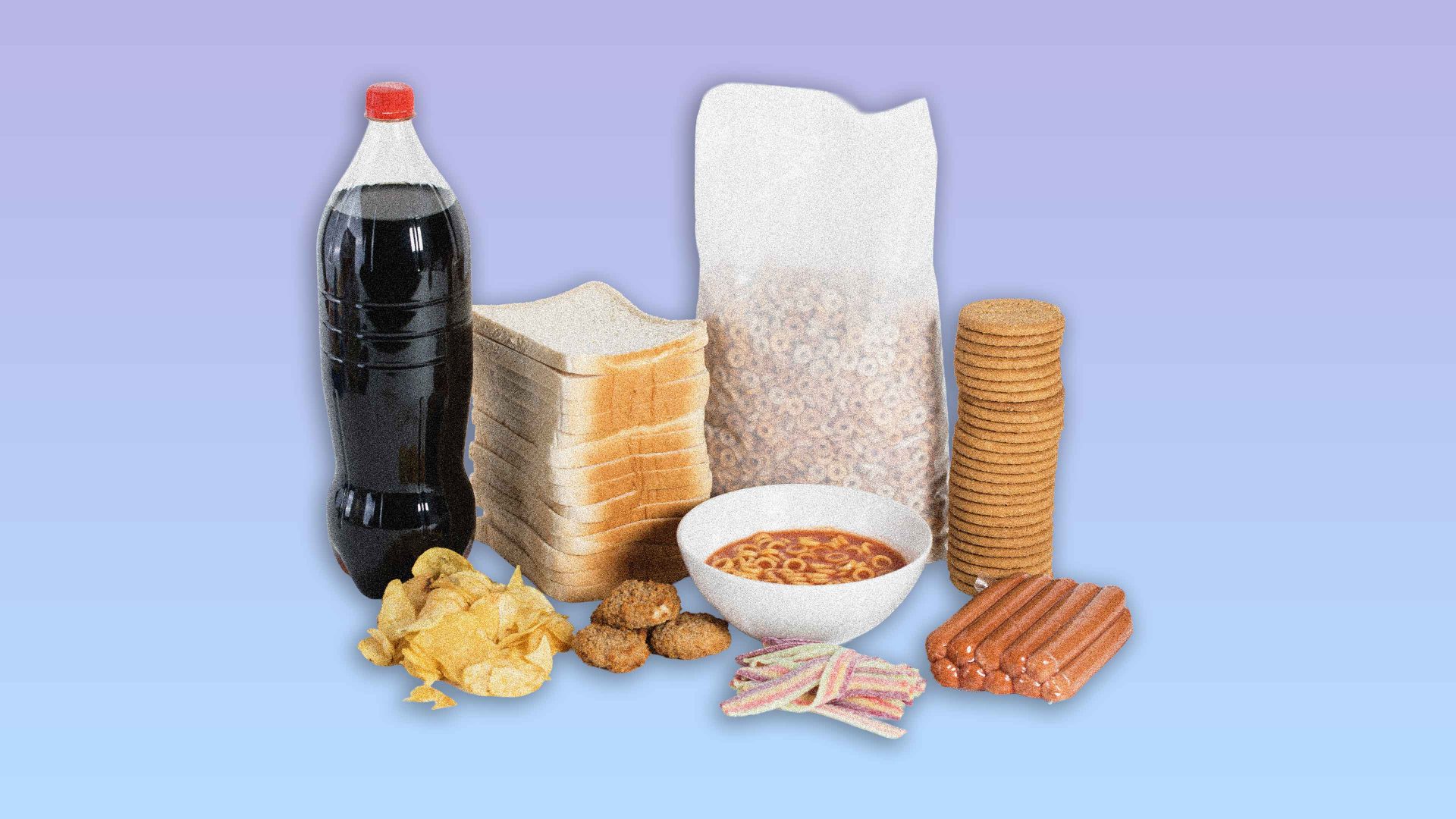
There’s a reminder of this in recent studies of the effects of ultraprocessed foods (UPFs): the stuff that’s laden with preservatives, artificial colouring, and ingredients that make them hard to resist, such as crisps, fizzy drinks, biscuits and ready meals. We know these foods aren’t as healthy as fresh veg, but just how bad are they? Given how high in sugar they tend to be, it seems intuitive that eating UPFs all the time heightens the risk of obesity, type 2 diabetes and other health conditions. But is that really so?
Suggested Reading


How to save science from populism
Several RCTs of the effects of UPFs have been conducted in recent years in the US, UK, Denmark and Japan, and they seem to confirm this expectation. But is the health burden a result of the “ultraprocessing”? These foods are typically high not just in sugars but in salt and saturated fats, and low in vitamins. You’d expect those attributes to carry dietary risks regardless of how the foods are manufactured. Researchers in Denmark, the Netherlands and the UK have now published a study showing that it would be a mistake to focus advice on the processing rather than on the actual calorific and nutritional features of the ingredients.
The researchers took a close look at the data from existing trials, which revealed just how hard it is to design trials free from confounding factors. For one thing, how much people eat can depend on food texture: we tend to eat more food when it is softer, and to eat it faster. The UPFs used in the trials were typically softer than unprocessed foods, but people will eat more of the latter too if it’s soft. UPFs tend also to be dense in calories and low in fibre – but not because the processing itself affects these things. And when people in the trials were assigned non-UPFs, they often lost weight because they were already used to eating UPFs and so ate less of the unfamiliar foods.
Overall, the researchers say, any evidence that ultraprocessing itself led to weight gain was weak at best. “Although the UPF concept encompasses many – albeit not all – foods that are unhealthy,” they write, “it also captures foods that are not necessarily harmful and even some that are beneficial to health”. To truly work out if ultraprocessing – adding artificial additives such as emulsifiers or colourants, or changing texture by extrusion – has intrinsic health risks, we’d need to conduct trials where those characteristics are changed while the basic nutritional features, like sugar and fat content, stay the same.
What this means for health policy is less clear. If you buy UPFs, you’re more likely to be consuming the unhealthy stuff simply because those foods tend to be packed with them. But not all UPFs are like that, and not all non-UPFs are good for you. So what’s the best form of messaging? Perhaps only another RCT will tell us that.