When is it OK to print the legend? Should the memoirs of the late Jason Arday, for instance, still have been published after doubts emerged about whether they match the facts? According to the former publishing boss Alexandra Pringle, it’s fine – because memoirs are a form “verging on fiction”. They are not “a piece of journalism”.
But this temptation pulses away right across the media. The journalist’s dream is to come across some set of real events that fit together as neatly as a movie. “That,” we say when we find one, “is a story.”
Up to a point, this instinct is fair enough, but it’s also a trap. It creates a constant pressure to mangle reality to fit a pleasing pattern. One of the forces that drove the Arday tragedy, after all, was this yen for a yarn – on the part of Arday himself, his university, his publishers, the newspapers and their readers.
This has all been made much worse by social media and its perverse incentives, but it’s been inherent in journalism for a very long time. Seventy-five years ago this summer, a movie captured this with such icy clarity that it’s never been bettered.
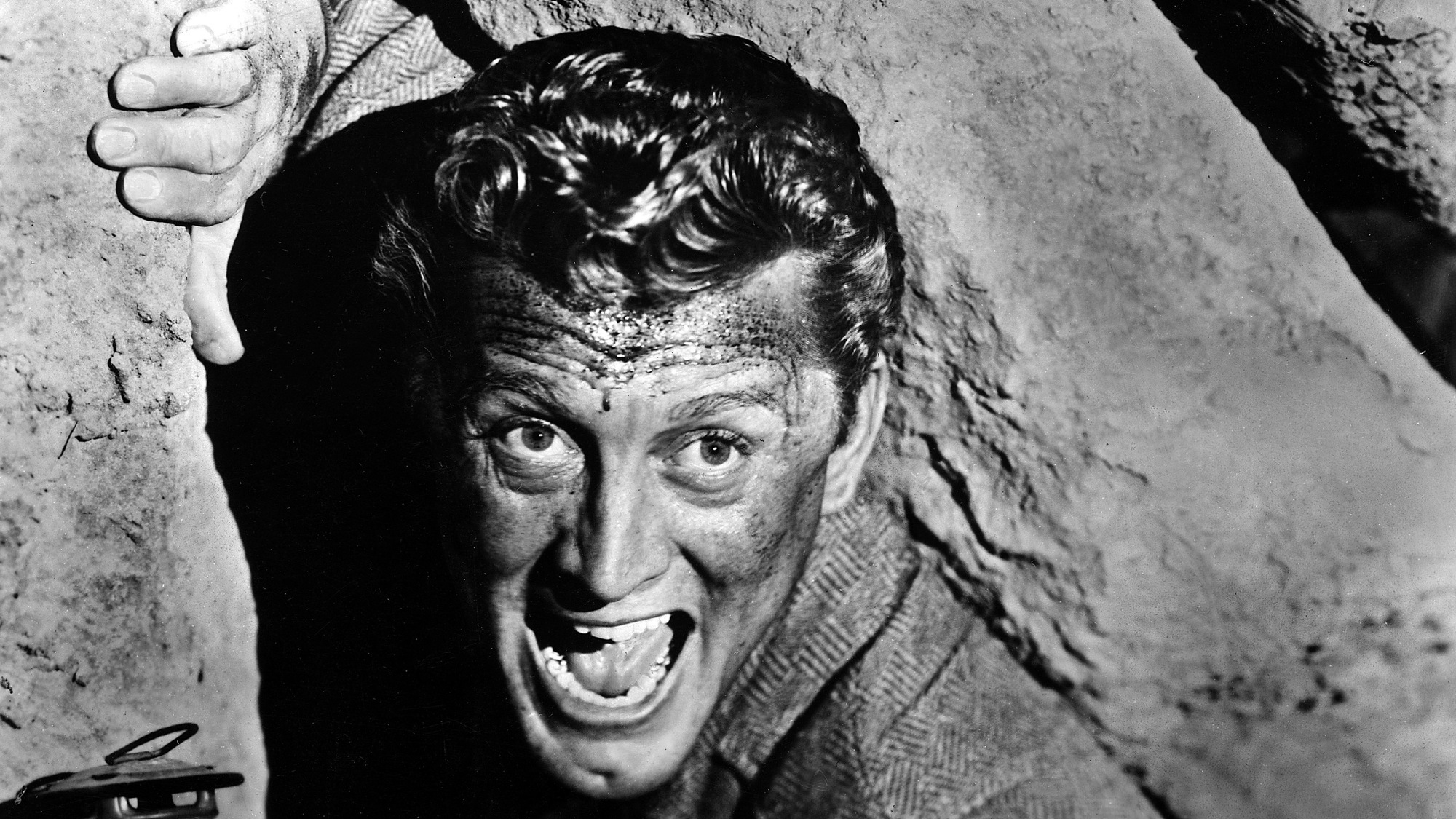
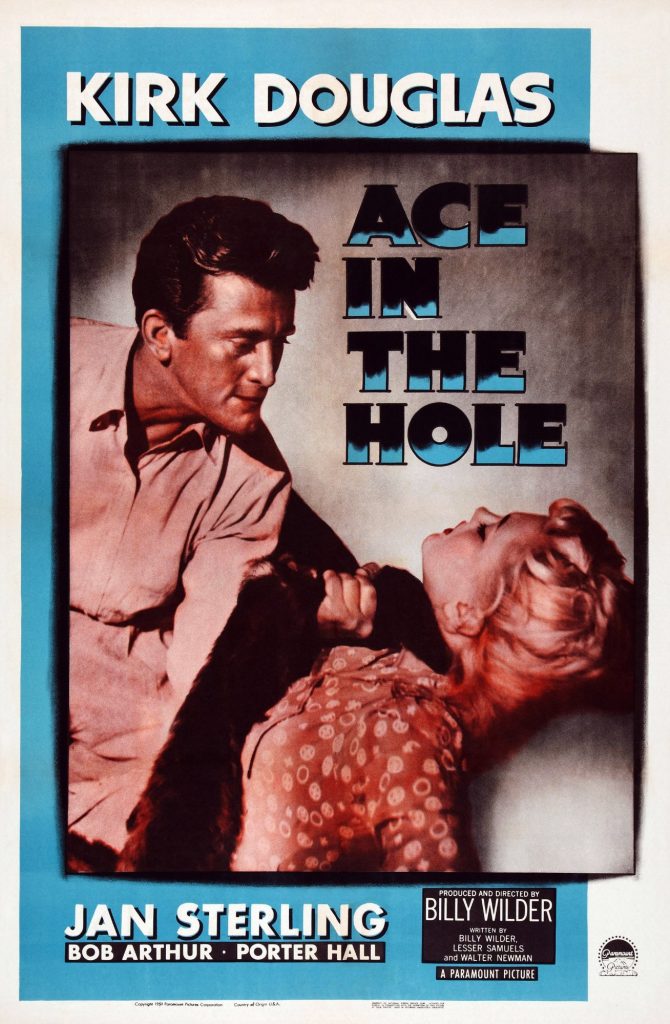
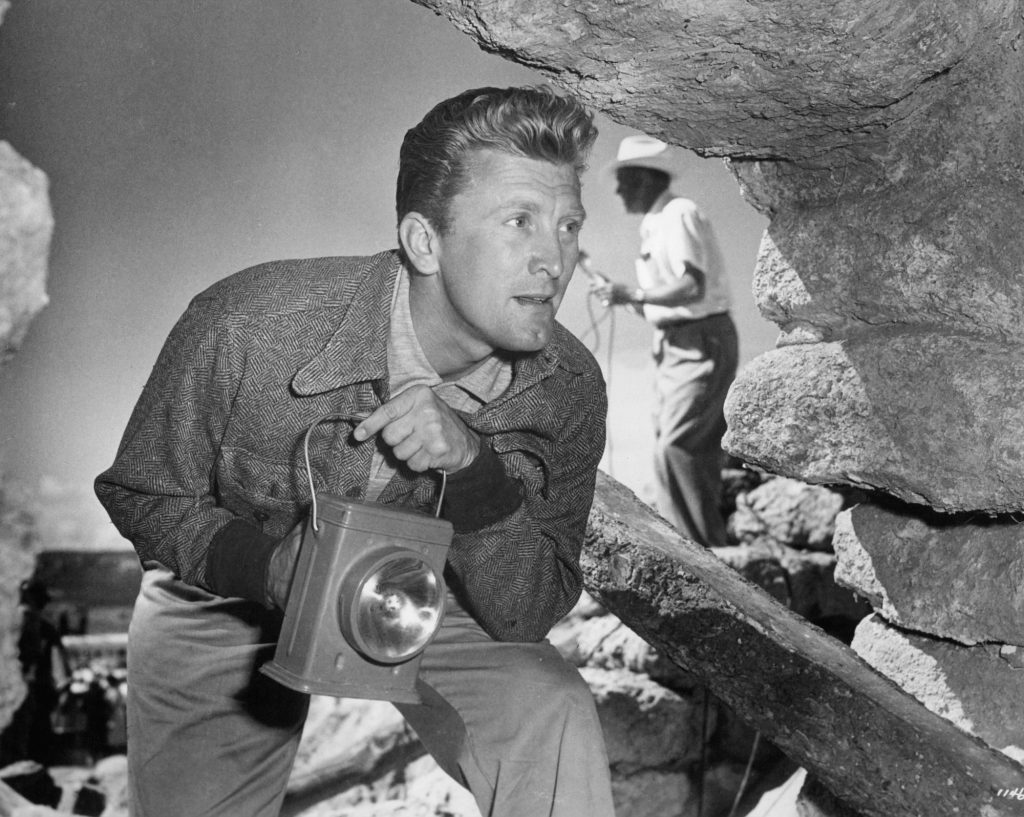
Billy Wilder’s Ace in the Hole is the tale of a desperate, washed-up hack called Chuck Tatum, played by a startlingly intense Kirk Douglas. Tatum wangles a job on an Albuquerque paper so quaintly committed to journalistic ethics that it has “TELL THE TRUTH” on the walls, in needlework. His plan: to find a scoop that will get him back in with one of the big-city papers that have fired him.
A year later, he is still stuck there – but then he strikes gold. At a remote desert trading post, he hears that the proprietor, Leo Minosa, had gone hunting for Native American pots in ancient burial caves – and has been trapped inside by a cave-in.
Tatum enlists the crooked, publicity-hungry local sheriff to coerce the rescue team not to shore up the cave walls, but instead to drill down through the mountain. This will prolong their mission for several extra days – enough time for Tatum to whip the story up into a national sensation. One trapped man decides to use the other’s plight to contrive his escape.
Billy Wilder knew a thing or two about traps and how to get out of them. When Hitler won power, this young Polish-Jewish gigolo-turned-journalist-turned-film-maker fled Berlin and found his way to Hollywood, despite barely speaking English. He would later learn that the Nazis had murdered his mother, stepfather and grandmother.
By 1951, Wilder was not yet the comedy genius who made The Apartment and Some Like It Hot. He made movies like Double Indemnity, The Lost Weekend and Sunset Boulevard – Hollywood hits about insurance fraud, alcoholism and the shittiness of Hollywood.
As the critic Otto Friedrich wrote in City of Nets, the young ex-Berliner “saw in southern California things that no Californian could see”. He showed how, behind the white teeth and bright eyes, Americans were trapped by failure and humiliation and self-delusion, and could get desperate enough to do terrible things.
And weirdly, audiences loved it – perhaps because those movies never quite forced them to feel as though they were the same as the people on the screen.
But then he did. Ace in the Hole is a film not just about the black heart of journalism, but the corruption of the public. As Tatum flams up the story with tales of Native American curses, it’s not only the press who turn up to see what’s going on. So do hordes of gawkers, who set up camp outside the caves, agog at Leo’s misfortune.
Someone writes a song about the impending rescue and sells copies of the lyrics. Tatum becomes a celebrity. Fangirls scream at the sight of him. Trucks pitch up and set up fairground rides: a literal media circus.
Finally – surprise! – Tatum’s ruthless bid to give the public the story they want goes horribly wrong. He can only force reality into neat narrative structures for so long before it starts to fight back. He puts pressure on Leo’s wife – who wants to flee her dead marriage – to stay, because that’s what the narrative demands. But in the end, she violently rebels.
And when it becomes clear that Leo is dying, Tatum desperately tries to have the rescue team get him out in time. If Leo dies, he tells the sheriff, “that’s no good for my story. You have a big human interest story, you’ve got to give it a big human interest ending. When you get people steamed up like this, don’t ever make suckers out of them.” But it’s too late.
Ace in the Hole was hailed by the British reviewers – happy, perhaps, to tut at American folly. Not so in the United States itself, where it bombed, and took a critical kicking.
The New York Times praised its portrayal of “the monstrous vulgarity of mob behaviour”, but was much less happy with its vision of the press. It was a “distortion of journalistic practice”; real-life reporters would never let a character like Tatum get away with such a thing.
In 2026, this seems bleakly ridiculous. But even at the time, it was a dubious defence. For one thing, Wilder was drawing on a real incident in Kentucky in 1925, which developed into a similar carnivalesque spectacle, and won its star reporter a Pulitzer. For another, one of Wilder’s co-writers was a former newspaperman.
But more importantly, when the movie came out, McCarthyism was in full cry. And while some journalists bravely stood by their principles, others lapped up Joseph McCarthy’s lurid nonsense about communists lurking behind every curtain. The populist senator from Wisconsin was every bit as adept as Tatum at feeding the media treats they couldn’t resist. Just as Donald Trump is today.
Conversely, Hollywood was not quite as cowed by McCarthyism as historical cliche might have us believe. This was not the only movie of the era to wrestle with newspapers’ endless ethical battle between awkward facts and enticing legend.
Suggested Reading

The return of the 1971 film that saw Trump coming
In 1950, a B-movie called The Lawless showed a Tatum-style hack whipping up a lynch mob by faking accusations of sexual assault against a young Latino. In one climactic scene, thugs smash up the office of a decent newspaper, like the one Tatum exploits in Albuquerque. In 1952, Humphrey Bogart starred in Deadline – USA as a crusading editor facing down gangsters and the owners trying to sell him out.
Likewise, it’s striking that Ace in the Hole was made at all. It was not stopped by a Hollywood producer; it flopped because the public, like the press, didn’t like how it portrayed them.
Your demand for story, Wilder was telling them, traps desperate people into behaving like Chuck Tatum. As he remarked years later, “people just don’t want to see this in a film, the way we really are.” And, he added, “maybe they’re right, maybe one shouldn’t try to get people out of a rut.”
Today, the rut is deeper than ever. The gawkers and hawkers never go home. They just move on to the next lurid story, trapping themselves and the journalists telling it in a never-ending loop. We’ve built a whole economy on attention, on the desperation for stories about desperation.
Three quarters of a century on, it’s Ace in the Hole every day.
Almost Perfect: The Films of Billy Wilder runs at BFI Southbank from October 19 to December 31