
Next month should bring the grand reveal: the cloak of vagaries will have to be removed to show the prime minister’s true colours. Is he a genuine centrist in the Tony Blair mode, or a committed socialist akin to Jeremy Corbyn, with both of whom he served?
Andy Burnham has enjoyed a prolonged honeymoon with the public during which he could announce bold aims, often followed by muted dilutions without being subject to the political scrutiny of parliament. Several opportunities to emote over tragedies at home and abroad appeared and he grasped them all. Undeniably, he does emotion well, but October’s budget will be a test of what he is actually going to do rather than what he feels. It is all about the money: how he wants to spend it and, crucially, where he intends to get it.
Growing nervousness centres on the fear that he will not have the nerve to cut the escalating welfare bill but will try to swipe the extra billions needed from the perceived “rich” and the corporate sector, and by trying to flex the “fiscal rules”. The emergence of such a flawed strategy would pose an immediate problem for a large section of the electorate: where could they turn for a sane alternative?
Suggested Reading
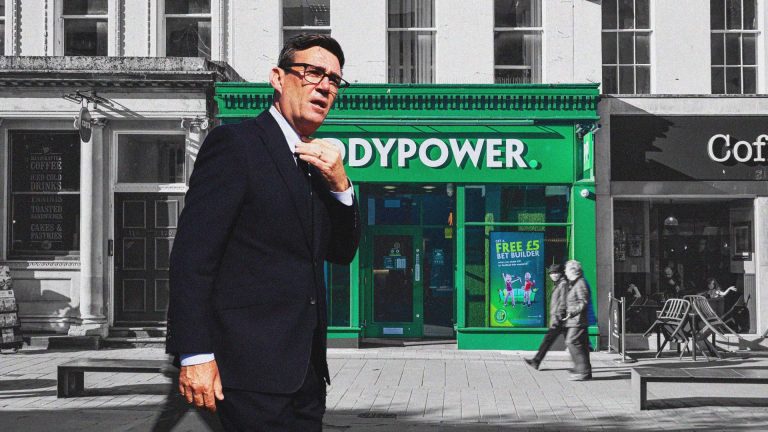

Andy Burnham’s high street fantasies make me worried about the PM
The UK’s two-party system has eroded since Nigel Farage arrived on the scene. But there remains a significant tranche of voters in the centre or centre right: the “one-nation” Tories liberal on social issues but more conservative on the economy.
The Conservative Party has driven them away. They could not support Farage’s Reform, much less Rupert Lowe’s increasingly successful breakaway party, Restore UK. At one stage, they might have turned to the Greens: they care about the environment and Caroline Lucas, their former leader, was a serious politician. The current leader, Zack Polanski, has a very different agenda, unlikely to appeal to those disenfranchised Tories.
In another era, they might have embraced the Lib Dems, but they seem unable to find an agenda and a leader with the necessary appeal.
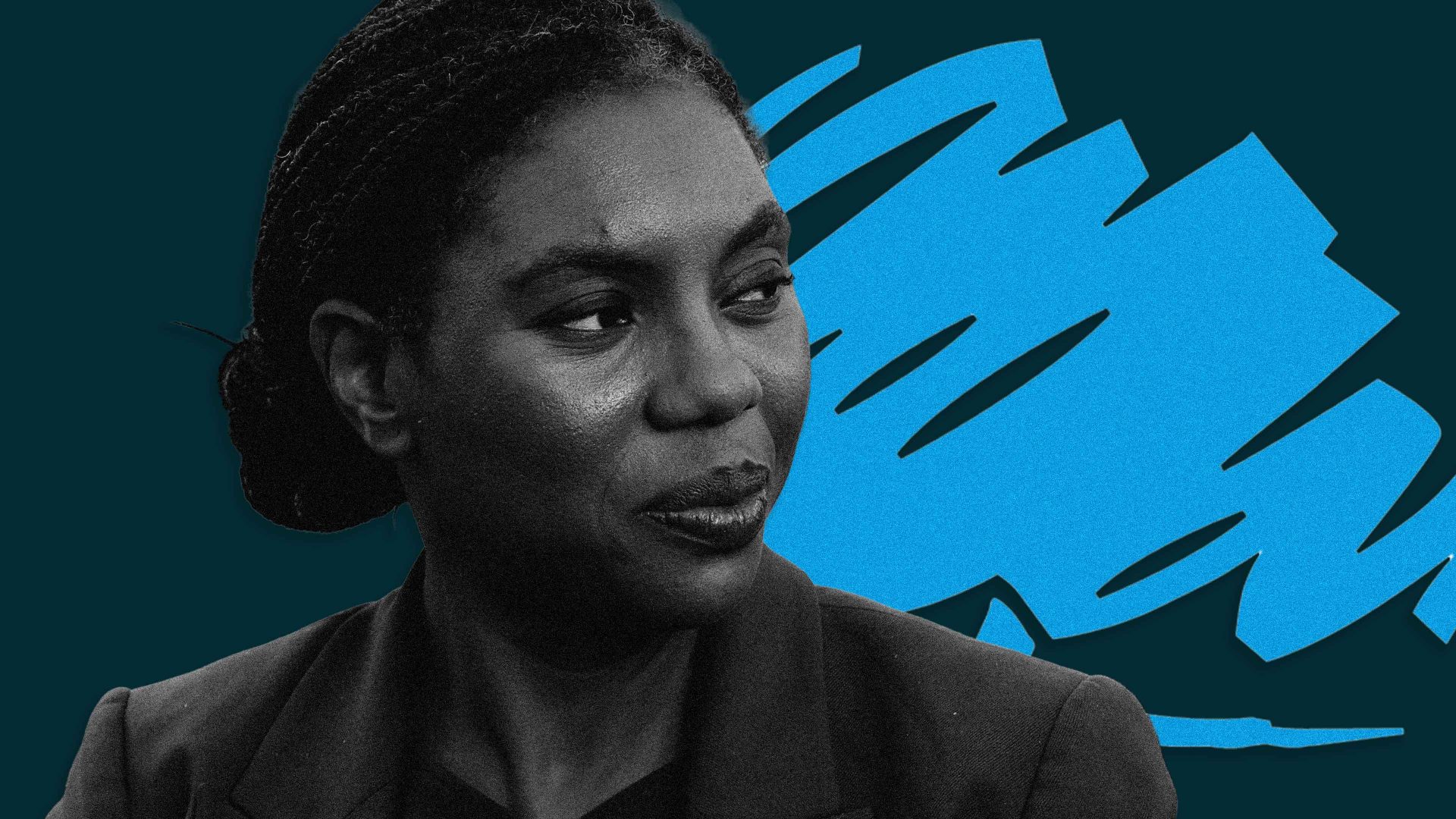
The Conservatives should be ready to reap the benefits if Burnham reveals himself too much of a lefty for the one-nationers, but under the current leader, that is an impossibility. The political biographer Anthony Seldon titles his latest volume Sunak at 10: The Last Conservative Prime Minister? Kemi Badenoch seems set on ensuring that is the case, eschewing the relatively broad-church approach that had characterised the Tories to create an intolerant cabal.


While her personal ratings have risen, that is due more to her appeal to those on the far right than to the traditional Tory base. Dissent has not been welcomed in the Badenoch regime, where she seems at times to be determined to create an even nastier party than the one identified by former PM Theresa May.
Many former senior Tories from the centre ground, sensible people favouring sound economics – and so vehemently opposed to Brexit – now despair. Some decided to establish a lobby group, Prosper UK, to persuade the party to adopt a different approach that might win back more moderate voters rather than just trying to compete with Farage & Co.
The response was, inevitably, a total rebuff. But if Badenoch continues only to court the far right, she cannot win.
The time is right for a middle-of-the-road party to emerge, and Prosper UK could provide its foundations. All it needs is a charismatic leader, capable of taking tough decisions and emoting when absolutely necessary.
James Cleverly, now resigning from the shadow cabinet to put himself forward as next Mayor of London, clearly recognises the problem and is positioning himself as a possible alternative to Badenoch. But as a committed Brexiteer, his appeal to Londoners, who were overwhelmingly opposed to that disastrous course, will be limited. And detoxifying the Tory brand is no easy task.