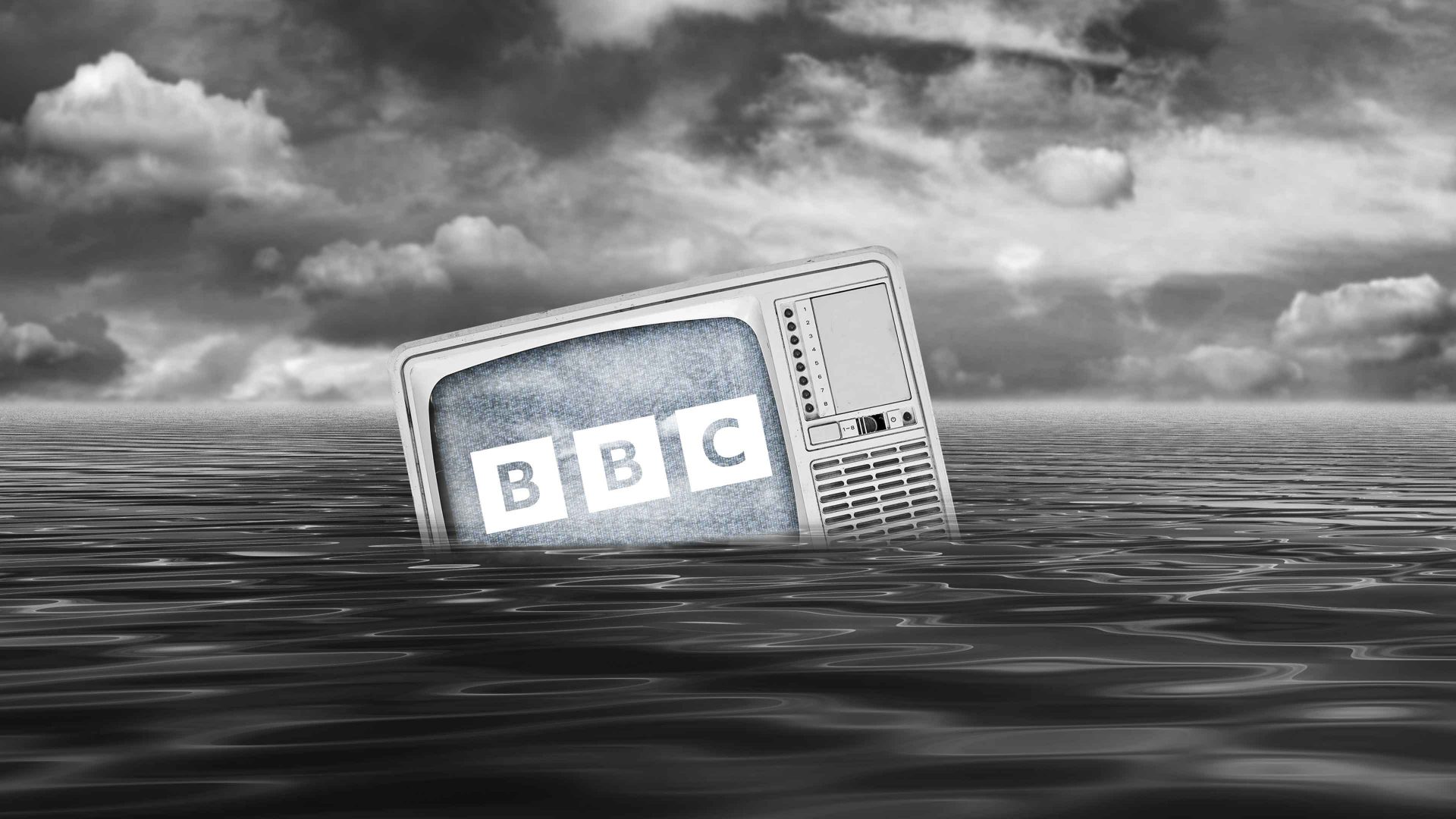
Donald Trump loathes the BBC. That alone should guarantee the institution a degree of support on home ground rather than a crescendo of dire prognoses for its life expectancy. Yet, after more than a century of broadcasting, the BBC faces threats on all sides.
The $10bn legal action against it by the US president may be a time-consuming and expensive distraction, but is by no means the greatest of its challenges. Technology and money pose potentially fatal threats, along with that other fashionable problem – a lack of clear identity.
But we need the BBC more than ever. The role has evolved since its founder, Lord Reith, intoned a mission for public service broadcasting to “inform, educate and entertain” and it now needs some fairly drastic reshaping, but Auntie, as generations came to fondly know the organisation, is not the mere relic of an analogue age that some decry: it has crucial relevance to the modern world.
As an expanding media explodes with opinion, propaganda, misinformation and bigotry all masquerading as news, honest reporting has never been more important. Despite its occasional slip-ups, the BBC remains the UK’s most trusted source of news. According to the Reuters Institute for the Study of Journalism, it is “by far the most widely used source of news in the UK, both online and offline”.
Suggested Reading
We waited 500 editions for this speech
That position is precious but looks precarious as some sections of society, delineated by age, class or political view, feel themselves to be alienated from the BBC. The right wing Reform party, for instance, now has what amounts to its very own TV channel in GB News, with presenters including the party leader, Nigel Farage.
While the young are the most likely to rely on sites such as TikTok for their news, many older individuals also spend hours each day scrolling through what amounts to gossip rather than reliable information. Whatever they are all getting from their screens, it is not unbiased news.
The BBC, at its best, produces brilliant, brave and honest reporting. That role needs to be safeguarded. Instead, the organisation is under the periodic challenge of Charter Review, a process tantamount to torture during which it must plead for the right to survive and bargain for any meagre rations. The entire basis of its funding, the licence fee, is increasingly called into question as people consume its product in virtually untraceable ways and shun requests to pay the annual fee of £180.
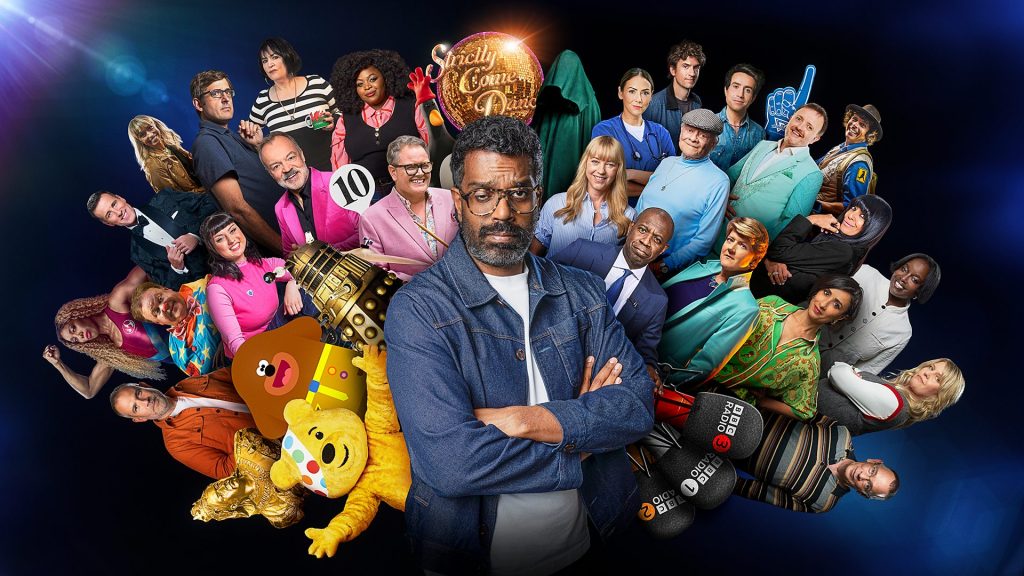
The relatively new director-general, Matt Brittin, recruited from Google, termed the fee “a busted flush”. He has already embarked on another round of cuts to try and create a more modern, efficient organisation. No doubt he was delighted with the excitement generated by the launch of the new series of The Celebrity Traitors, which drew massive audiences and acres of media coverage. But if the BBC had not bought the Traitors idea from its Dutch founders, no doubt a rival would have done.
Arguably, the BBC should restrict its role to doing what others don’t or can’t – providing trusted news is where it excels and should do more. The death of most local newspapers has left many areas as news deserts where the goings-on of local authorities and agencies are beyond scrutiny. This threatens any genuine local democracy, the real cornerstone of the devolution that Andy Burnham intends to drive across the country.
Suggested Reading
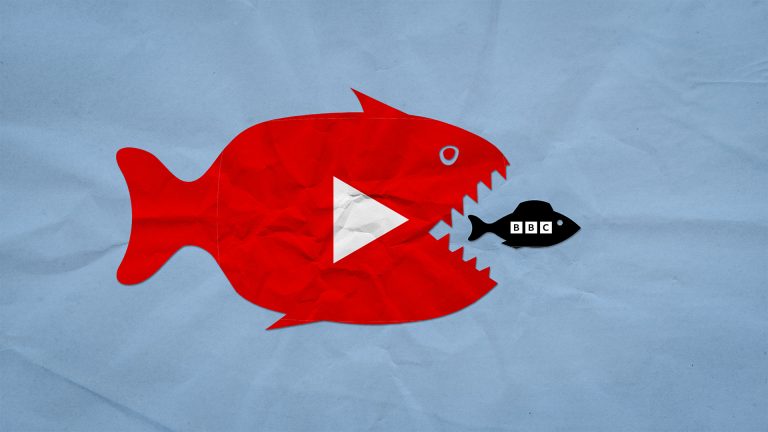

YouTube has already eaten your television – is the BBC next?
The BBC already provides some local coverage and funds some reporters, but it would be a genuine public service to multiply that effort. Broadcasting trusted news, international, national and local, across all the media is where the BBC should concentrate its resources. That includes the invaluable World Service, a uniquely influential and important arm of the Foreign Office which, as such, should be entirely funded from that department’s budget.
Beyond that, if the BBC wants to provide entertainment, and in that guise it does provide a great stimulant to independent production companies and the creative industries more generally, then it should be through an entirely self-funding separate operation. Last week the House of Commons Committee on Culture, Media and Sport called for the next charter to be made permanent.
The committee’s chairman, Dame Caroline Dinenage, warned: “We would miss it enormously if it were no longer here for us.”
She is right. A BBC is essential, but perhaps a rather different one to this Auntie.