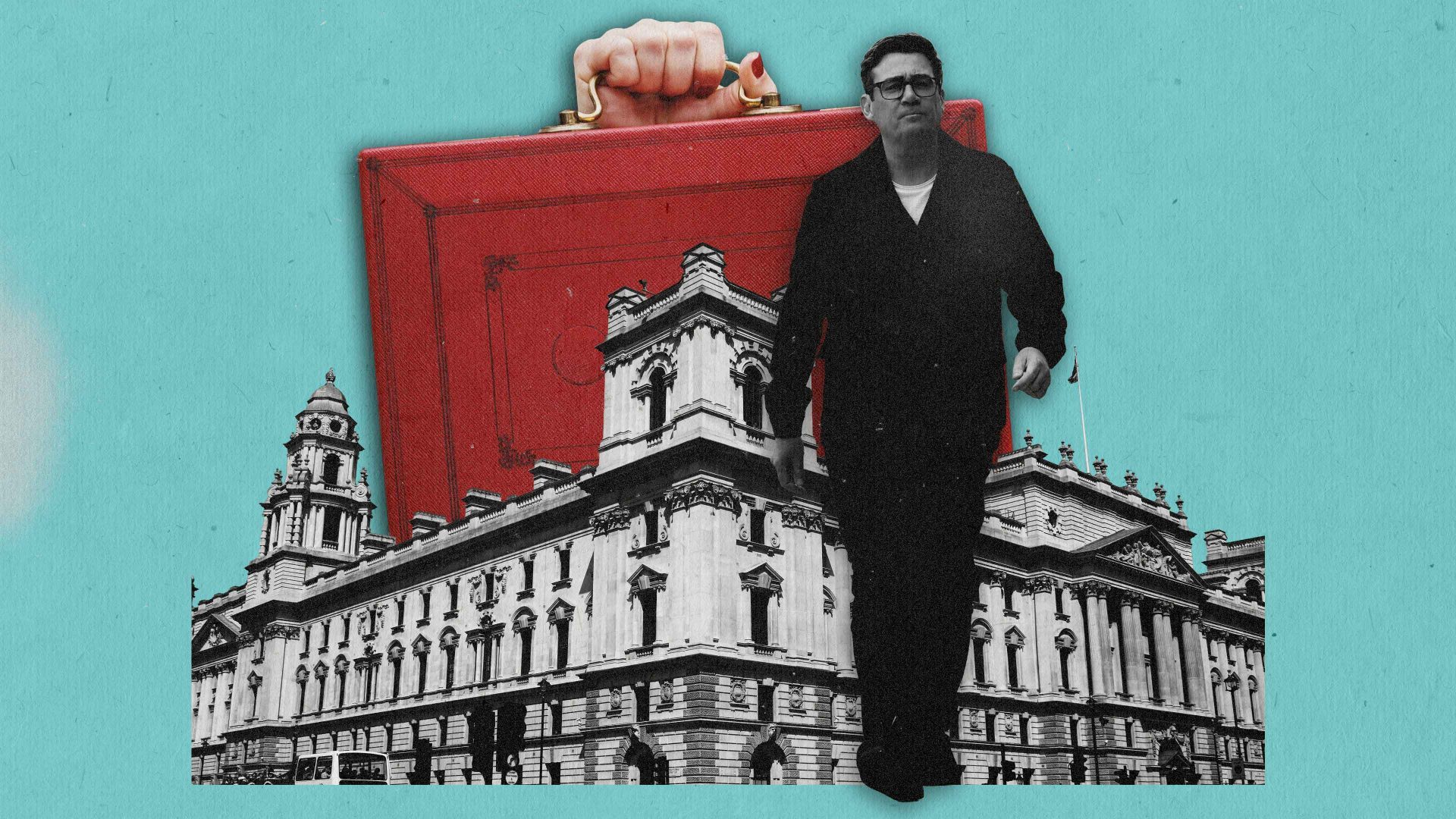
Hope can be dangerously seductive. Andy Burnham has skilfully packaged himself as hope in a black T-shirt (he says “it’s dark blue, actually”) and a northern accent, ready to lead his people to the promised land.
This has proved predictably attractive to people who feel let down by the status quo. Some thought Brexit would improve their lives, some thought Keir Starmer might do so, and others had given up believing anyone even cared.
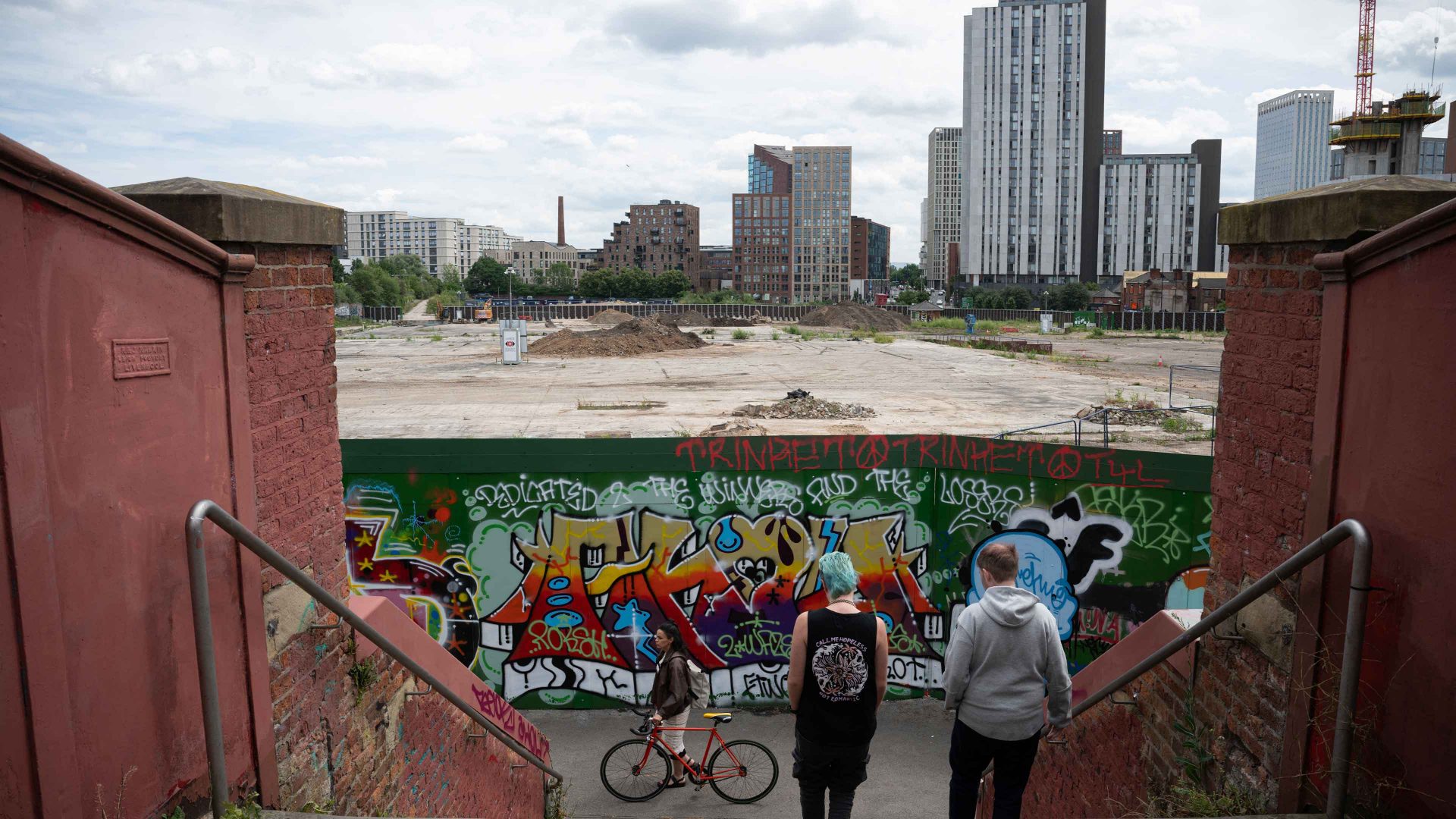
Burnham promises them a new reason to hope – but the nirvana he portrays cannot be achieved. Devolution, the core of his philosophy, comes in many guises, but none of them amounts to equality across this very divided country.
Equalisation payments already redistribute some government revenues to poorer local authorities. Burnham’s version seems to involve increasing that a bit and giving local authorities some more powers over spending decisions.
Suggested Reading


How should Burnham treat Trump? Try ignoring him
In more radical forms, local authorities have significant powers to raise their own revenues but in this, some have huge advantages. The tourist tax, which is now an option in the UK, would benefit some popular destinations – Edinburgh will be launching its levy later this month – but probably not Makerfield. Local income taxes risk exacerbating inequalities rather than addressing them.
So redistribution appears to be the main financial element in Burnham’s plan, and he says he will be “striving for equivalent living conditions” in all parts of the country.
Perhaps he knows how such conditions could be defined, but it is no easy task. Ideally, all should have access to the best the National Health Service can provide and the most appropriate education facilities, but beyond that, what about transport facilities, libraries and theatres, pubs and shops, swimming pools and playgrounds, parks and woodlands?
The elements that go into making successful communities are many. Redistribution would have to be on a massive scale to achieve even a modicum of equal provision.
The only solution is to set a floor for the provision of certain public services and redistribute resources to achieve this. Richer areas must subsidise the poorer ones.
Suggested Reading
How Burnham can lead a revolt of the people against the populists
In Germany, this redistribution is now a cause of mounting discontent in some wealthier areas, and is encouraging the move towards the right in politics. In the UK, London and the south-east subsidise the rest of the country, but any calls for major increases in the level would inevitably lead to shrieks of outrage over “robbery” and the resentment would be manifested at the polls.
Who would determine what the floor should be? The discontent that currently envelops much of the country is often attributed to a feeling that people are simply not being listened to by politicians.
Burnham has pledged to change that, so would he dare to give the public a say in where the floor should be in various services and just what “equivalence” should mean? It would certainly be a way of delaying any meaningful change, probably indefinitely.
Another problem to grapple with is quite how far down decision-making should be pushed. Britain, although only a small country, has local government on a mille-feuille model: even Strategic Authorities, of which Manchester is one, come in three different versions. But below those are local councils of various shapes, and even parish councils have some limited powers. Their members will, no doubt, have very different views about the optimum solution.
Few can doubt that Britain could be better run than it has been. Burnham only has limited time to prove that devolution can improve things, before hope runs out.