
When we apologise, it’s typically for things we’ve done, should have done, or failed to do: “I’m sorry I’m late”, “I’m sorry I hurt you”. It’s a way of acknowledging personal failings, showing that we appreciate our responsibilities towards others, an attempt to repair damage we have done.
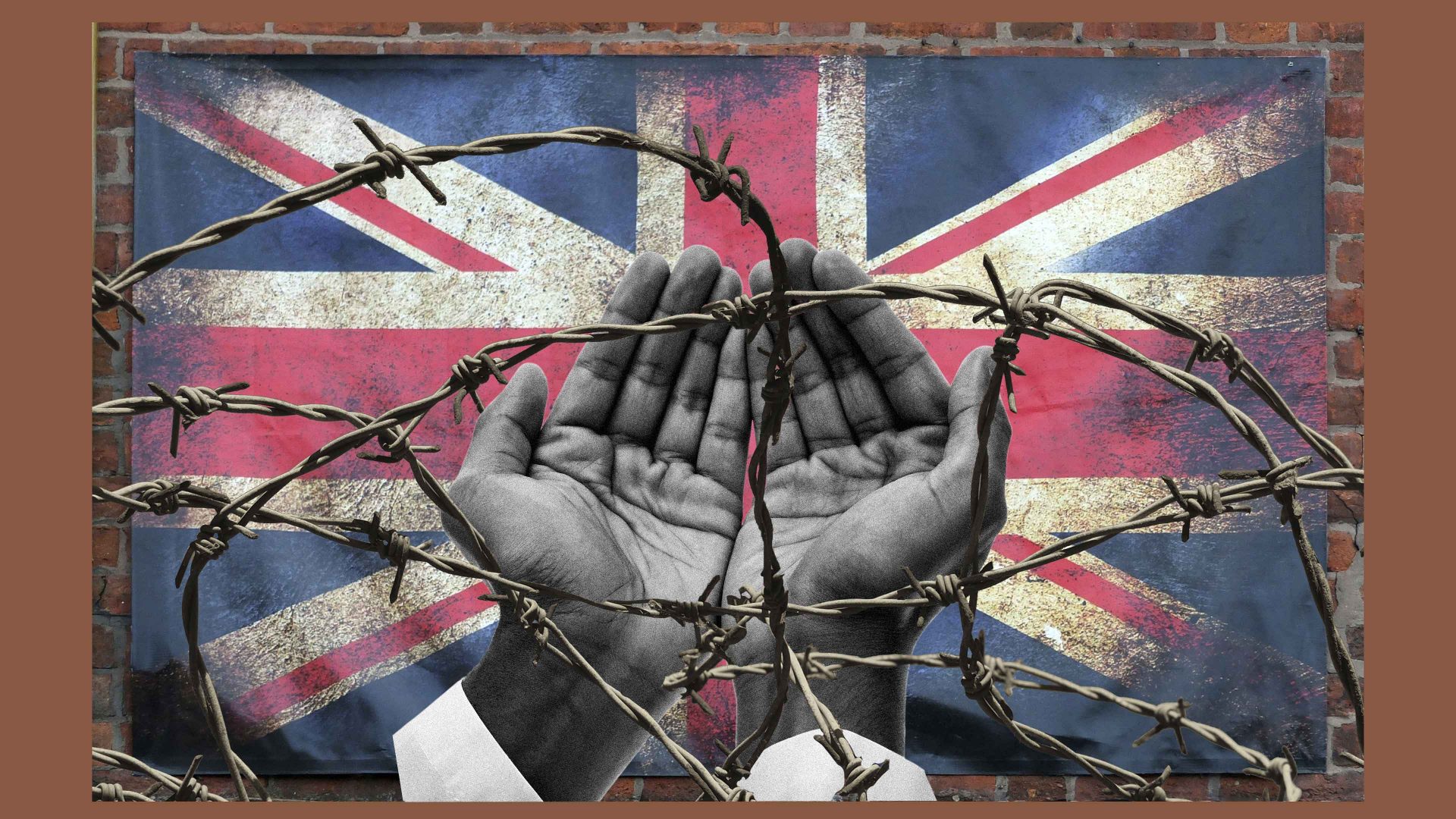
Sometimes a representative apologises on behalf of a state. Keir Starmer as prime minister did this last week on behalf of Britain for its role in forced adoptions of 185,000 babies in England and Wales between 1949 and 1976. Though obviously not personally responsible, he apologised for the “stain” on this country, saying: “We are deeply and profoundly sorry for Britain’s actions”.
Such statements of historic blameworthiness are important. They are public admissions of state culpability and involve recognition of harm caused. Starmer’s role in the forced adoption scandal was to display a kind of moral conscience. Until such an apology has been made, there is a sense that the country hasn’t come to terms with its past and is still in denial.
Where there are identifiable living victims, such apologies can be more than symbolic. They can help heal moral scars. But it’s easier to assess their sincerity when they’re accompanied by attempts at reparation. Reparation is the right action in many cases. It’s a widespread ethical principle that if you harm someone else and can make some amends in financial or other ways, you should do so, even if that ends up being a mostly symbolic act because of the severity of the long-term damage inflicted.
No one, as far as I know, is asking for a formal apology or reparations from the French for the invasion of 1066 recorded in the Bayeux Tapestry or for the consequences of the subsequent occupation. That’s partly because of the difficulty of identifying present-day victims still harmed by it. Nor are we seeking a mea culpa from Scandinavian leaders for violent Viking raids.
Suggested Reading

Calling it a “tradition” is no defence
But the effects of the cruel trade in many millions of enslaved people from Africa for over 400 years are still being felt very acutely by people alive today. There are present-day victims. Whole countries continue to be affected, as well as individuals of African descent who are experiencing discrimination and poverty as consequences of this.
The prosperity of some nations, Britain’s included, is built on the immoral actions and consequent inherited wealth of previous generations. That’s a fact that we’re only beginning to accept and have been reluctant to remedy. We can’t keep our heads in the sand about this for ever.
There is a growing sense from Africa and from the Caribbean that formal apologies on behalf of implicated countries and organisations, though important, are too easy: justice requires far more than words. This has been bolstered by the United Nations’ recent resolution that the trafficking of enslaved Africans was “the gravest crime against humanity” (making it implicitly an even greater abomination than the Holocaust), and that systematic reparations are indeed appropriate. They surely are appropriate.
Suggested Reading

The Argentinian who hated the World Cup
Watch politicians, though, as they come forward with arguments about why apologies are all they can offer and why they are under no legal obligation to pay reparations for their countries having benefited from centuries of the transatlantic trade in Africans that was legal at the time. They may be right about the law, but there are strong moral arguments for reparations that don’t go away when you close your eyes.