In The Savage Landscape, published last week, Cal Flyn describes visiting 10 wildernesses across the world and the “strange intensity” of her encounters there. In chapter five she is drawn to the edge of a live volcano in Iceland.
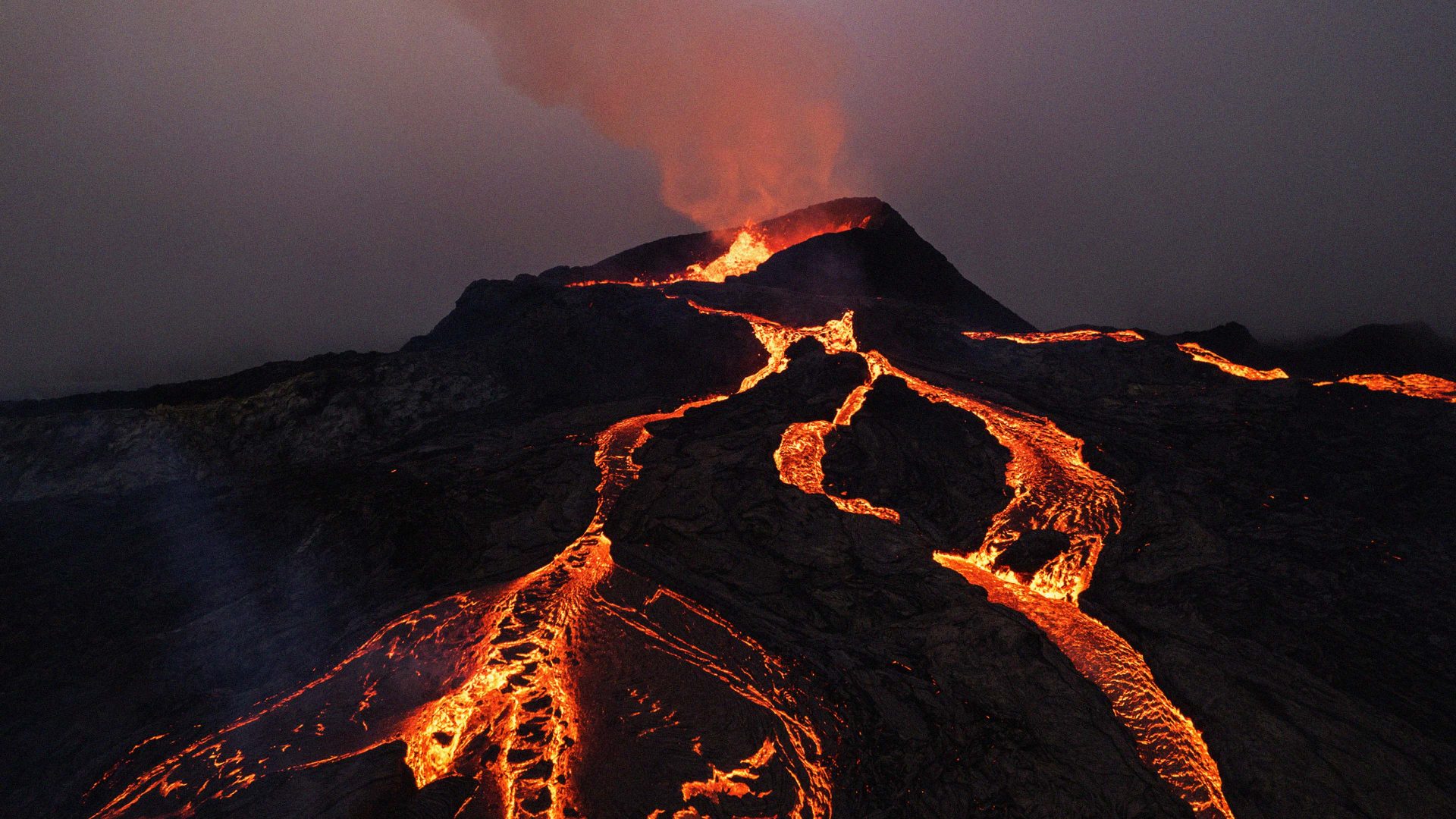
First, she views the volcano from a helicopter. Then she can’t resist getting closer. She makes a risky spontaneous decision to enter an official no-go zone, parks her car in a lay-by and, using screenshots from Google Maps, navigates her way across the barren landscape, clambering, walking, sliding across igneous rocks and scree.
Nine kilometres from the road, she reaches the edge of a previous eruption: “a cinder-black tangle of a substance barely recognisable as rock, with an unpleasant texture and density halfway between foam and burned-out car.”
Suggested Reading


Can Reform really call themselves Christians?
She can see the heat shimmering and there is a faint sulphurous haze. She feels small and alone against the immense landscape. Reaching the crest of a slope, she realises she is just 200 metres from a lake of fire held within “a goblet of black rock”. It spits globules of molten lava into the air. Her first reaction on seeing this: “oh god oh god oh god oh god oh god oh god”. She quivers with a kind of exhilarating fear, before scrambling back to safety.
This is reminiscent of Joseph Addison’s reaction when in 1699 he described the Alps as filling the mind with “an agreeable kind of horror”. It sounds paradoxical, but fear can be part of an aesthetic experience. In the 18th century, Edmund Burke’s slim volume A Philosophical Enquiry into the Origin of Our Ideas of the Sublime and Beautiful (1756) focused discussion of this kind of experience of wild and tempestuous natural landscapes. Flyn refers to Burke’s idea to explain what drew her to the volcano.
Suggested Reading
How I became a Secret Drug Addict
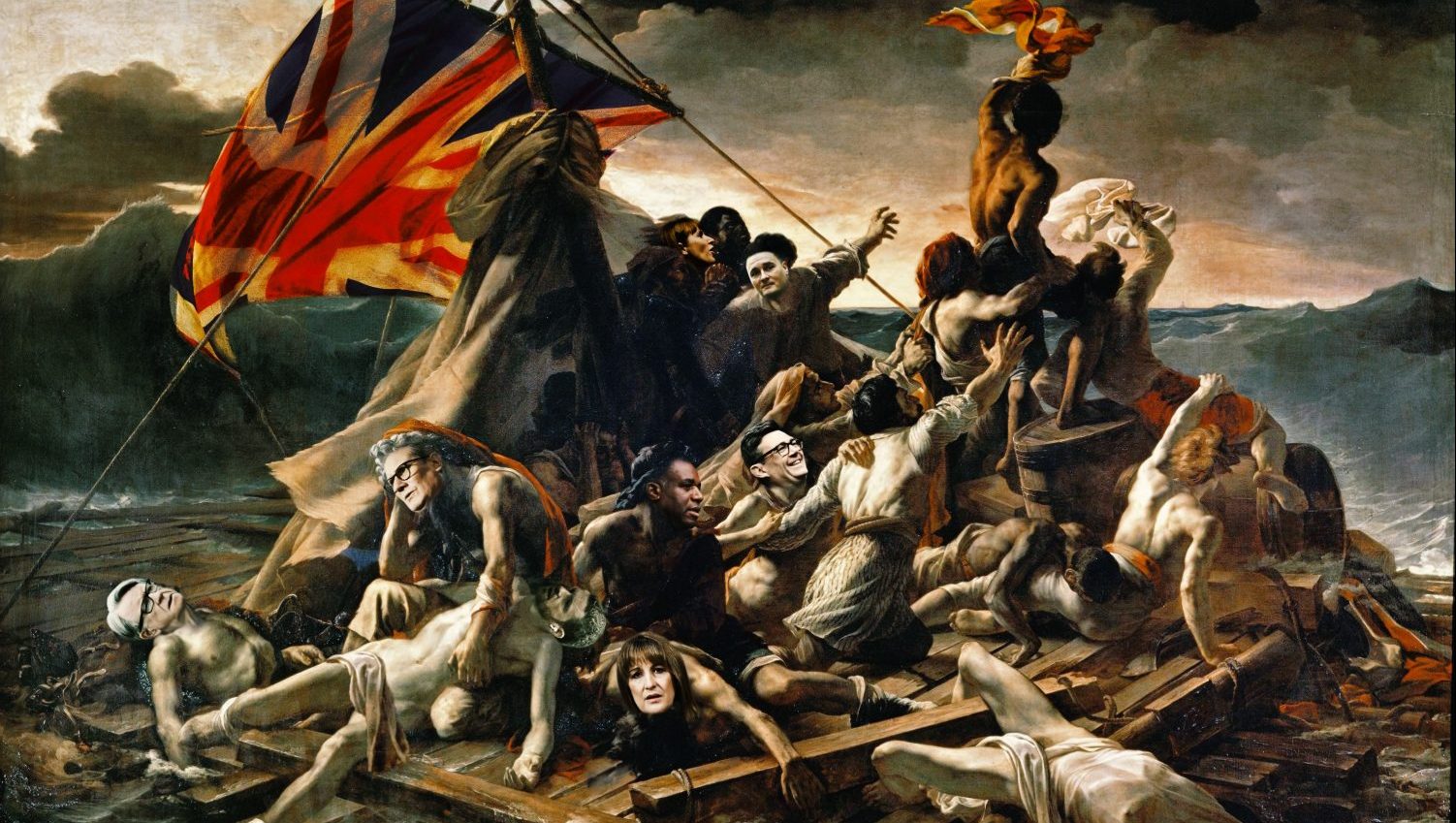
For Burke it was clear that such scenes evoke a different sort of emotion from the pleasurable experiences typical of encounters with beauty. Burke’s book, written in his mid-20s, had an immense impact on the Romantic sensibility and on the art that focused on wildness, stormy seas, and mountainous terrain. Think of Caspar David Friedrich’s images of The Wanderer alone on a high rock looking out over a landscape wreathed in fog, or some of Turner’s seascapes.
For Burke, beautiful objects tended to be small, smooth, and delicate. The most frequent hues of beautiful objects were light greens, soft blues, whites, pinks, reds, and violets. We have a natural tendency to see objects with these properties as beautiful, he believed – think of a butterfly’s wings, an orchid, the swirling patterns of oil on water.
In contrast, sublime objects were vast, rugged, dark, gloomy, and most important, threatening. The sublime was linked with the infinity of space, and with “vacuity, darkness, solitude”. Cliffs, thunderstorms, huge waves breaking against rocks – these were sublime, not beautiful.
Beauty charms, provokes pleasure and is unthreatening; the sublime in contrast could destroy or engulf us. He wrote:
“Whatever is fitted in any sort to excite the idea of pain, and danger, that is to say, whatever is in any sort terrible, or is conversant about terrible objects, or operates in a manner analogous to terror, is a source of the sublime; that is, it is productive of the strongest emotion which the mind is capable of feeling.”
Suggested Reading
The writer who met an angel disguised as an Albanian gangster
The danger is part of the attraction, since it stirs such powerful emotions at a deep and visceral level. When the danger level increases and the threat is imminent, however, it becomes impossible to sustain the distinctive combination of feelings characteristic of the sublime. The instinct to flee kicks in. It’s one thing to witness an avalanche in awe at a distance, but quite another to realise that you are directly in its path and at risk of being buried alive. Fear of death eclipses other emotions.
In Burke’s account, which is a mixture of philosophy and psychology, the appeal of such places and situations is that they allow us to engage our physiological responses to danger in a safe way. They produce profound feelings in us because of a link to basic bodily mechanisms for flight from threats. They are an exhilarating work-out for the nervous system.
As Flyn suggests, though, there is more than just the thrill of danger and sense of awe in these encounters. There is something quasi-spiritual about her experience of wildernesses, something that almost defies explanation. There is, she writes, “a sense of communing with all that is not human, a thinning of the skin.”