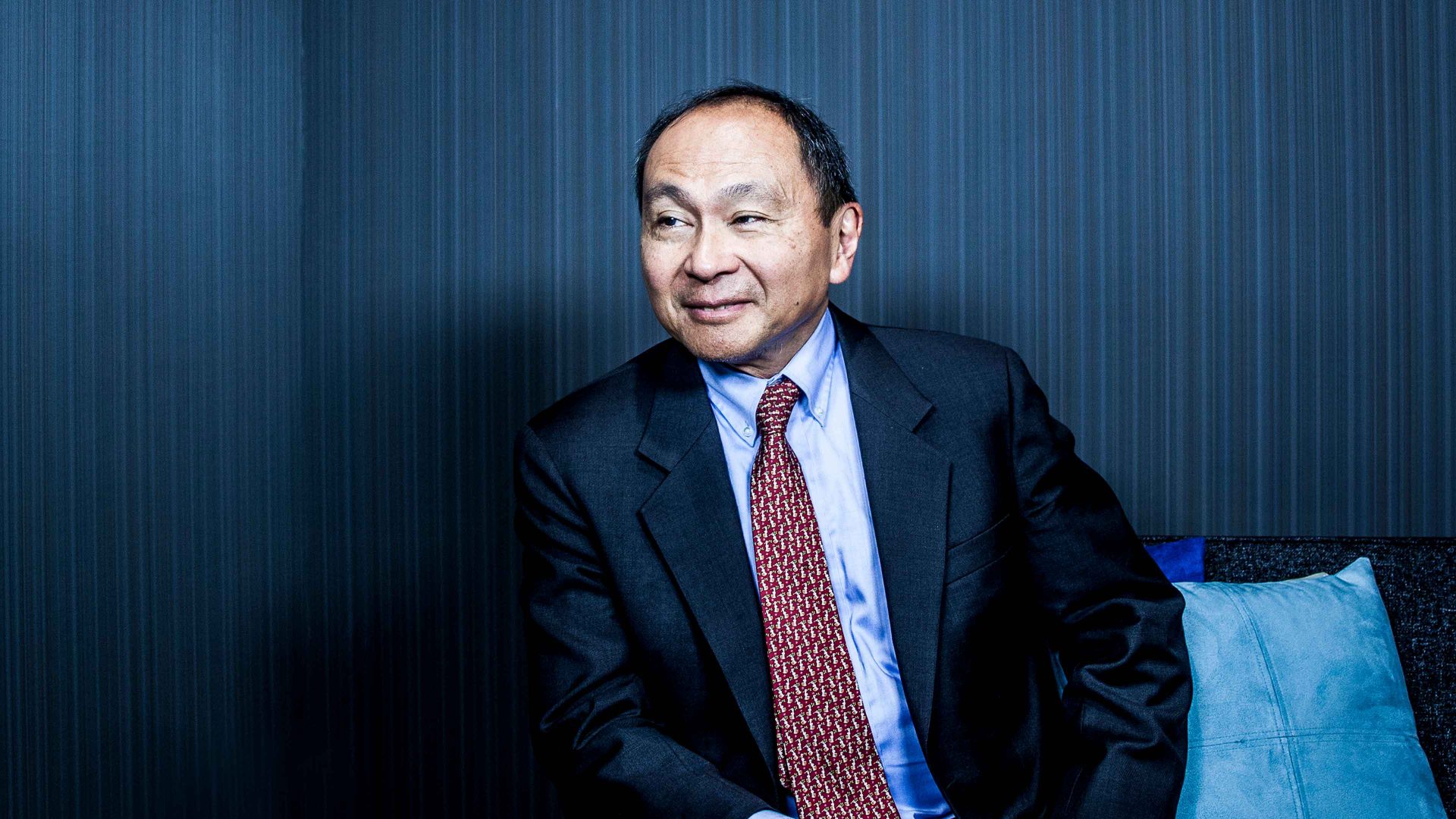
The phrase “The end of history” is the one everyone links with Francis Fukuyama’s name, and thinks they understand on first hearing. It has been a blessing and a curse.
He first published on this topic in 1989. His big idea came from Hegel via the French-Russian Hegelian, Alexandre Kojève. It brought him fame for considerably longer than 15 minutes, yet it has been widely misunderstood and caricatured.
Casual readers and quite a few non-readers of his work have heard the catchphrase and taken him to have declared that history was over since liberal democracy had been shown to be the best form of government, and so nothing else of significance would ever happen after that: an absurd claim.
But “end” doesn’t necessarily mean “cessation”; it can also mean “goal” or “telos”, and that was his intended meaning. He wasn’t telling us that from 1989 on the guillotine would come down on any human activity worth recording, but rather something that is still controversial, namely that the direction of travel of history was towards liberal democracy, and that we were reaching a stage where no better way of organising society was going to emerge.
Suggested Reading
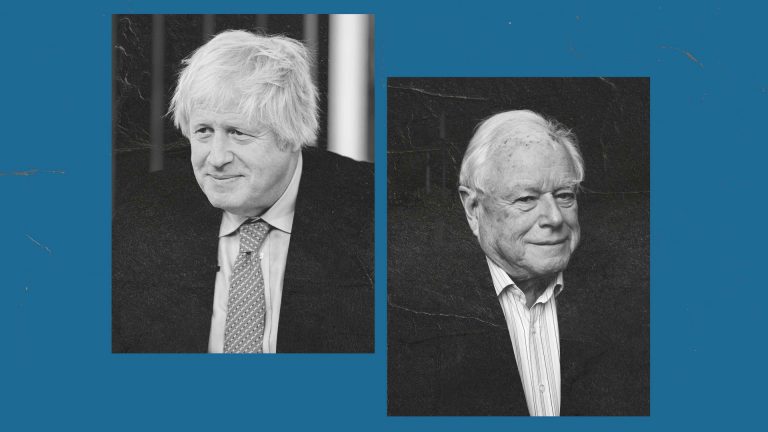
The philosopher who couldn’t save Boris Johnson
The combination of individual rights, the rule of law, democracy, institutions that allow the people to curb the activities of would-be tyrants, and even oust them, and the material benefits that ensue from free trade was the most effective political recipe humanity was going to come up with.
Fukuyama’s book The End of History and the Last Man (published in 1992), developed ideas from his original paper, and included not just his angle on liberalism’s supposed triumph, but also five chapters on the Last Man, an idea that derives from Friedrich Nietzsche’s Thus Spake Zarathustra. Those chapters have been largely ignored: a source of irritation for Fukuyama. It’s telling that he chose to call his just-published memoir In the Realm of the Last Man.
For Nietzsche, once people’s basic needs are met, they become passive, nihilistic, bovine. The Last Man was the antithesis of his Übermench and not something you’d want to be. Last Men would lack the spirit that drove inspired individuals to take risks to achieve great things; society would collapse into decadence.
In Fukuyama’s version, the danger of liberal democracy is that, once achieved, it leaves some people still restless to do great things. There is also the risk that a universal desire for respect can for some morph into a desire to be superior to others. Cassandra-like, Fukuyama foresaw in 1992 that it was likely that there would be those who wouldn’t want to be Last Men and would turn against liberalism. And they did. The subsequent global rise of populism, then, in no way refutes what he wrote over 30 years ago about the end of history. It was something he anticipated.
Suggested Reading
The complicated legacy of John Locke
Fukuyama is a very interesting person. He studied Comparative Literature, went to Paris where he attended lectures by Roland Barthes, Jacques Derrida, and Michel Foucault, and decided that post-structuralism was mostly bullshit underpinned by neo-Marxist ideas, despite its claims that everything was relative, including truth. He swerved into political theory, policy and international relations, and mixed broad-brush generalisations about humanity and history with in-depth studies of nations, institutions, and issues.
Once associated with neo-conservatism, today he is an ardent anti-Trumper and a Democrat. He speaks with the wisdom of one who has seen politics close-up and knows how theory without an understanding of how policy change is achieved will get you nowhere. He is a dynamic communicator with a YouTube channel, still publishes on a wide range of topics, and has set up a leadership programme to connect theory with the kind of practice that can bring about political change.
Yet no matter what he does, or how hard he tries, I suspect Fukuyama will be remembered for a view about history he didn’t actually hold.