
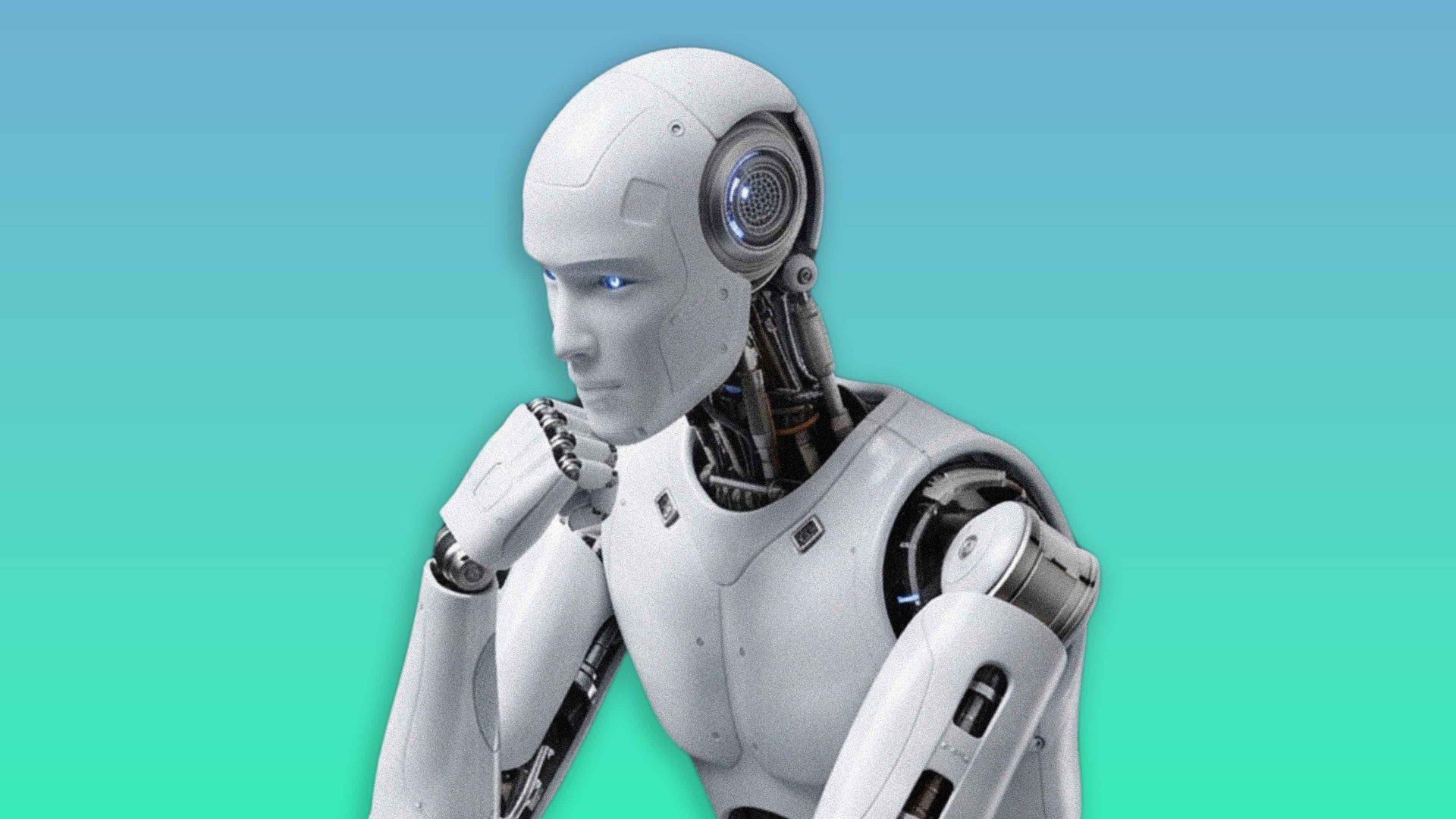
Two strange things are happening. First, AI companies are hiring philosophers. Deep Mind and Anthropic, for instance, have at least half a dozen working for each company. The second strange phenomenon is that newspaper and magazine articles about this phenomenon are everywhere. The Economist, New York Times, Guardian, and the Atlantic have all published longish pieces on this theme.
Friends keep forwarding links, asking me when I’m going to follow the trend and cash in on many years training as a philosopher. The answer is never. And, by the way, no one has approached me. I’m probably too old or don’t read enough sci-fi.
You might ask what use a tech company could have for philosophers. The official line is that they are well-fitted to address ethical questions about AI, how it develops and what it will do. They’re experts on truth, knowledge, and reasoning, so who better to speculate about the possibility of AI consciousness, and a future in which AI welfare rights might have to be considered?
Suggested Reading


Will AI kill off the writer?
Today human philosophers are still better than AI at this sort of thing, so tech firms have an interest in sucking them into the machine and codifying their ways of thinking, perhaps even listening to what they have to say.
I’m cynical, though. Not in the sense that Diogenes of Sinope was cynical. I mean this in the colloquial sense. “Follow the money” is not such a bad heuristic.
This sudden interest in ethics, and particularly in ideas of constitution building for AI (the attempt to train in principles that will constrain and shape the way that AI acts in the world, making it a force for good rather than evil), coincides with an increasing likelihood that AI companies will be restrained by legislation whether from the EU or elsewhere. So does all the press coverage. Don’t imagine AI philosophy hires can speak directly to journalists without permission and vetting.
Presumably, this is mostly a rhetorical move to persuade us that AI companies are taking their moral responsibilities seriously. “Look, we’re paying substantial salaries to the smartest thinkers around to sort out moral issues and debug recalcitrant AI systems. We aren’t just ruthless organisations in a race against competitors to achieve the lucrative goal of Artificial General Intelligence (AGI). We’ve hired in a human conscience!”
That may be so. Or perhaps this is just tech ethics-washing. These hired-hand philosophers think they’re cutting-edge thinkers brought in to shape and make sense of the AI revolution. They feel important. But perhaps they’re just cogs in a publicity machine for organisations that are geared to make billions. If any of these philosophers produce resistance to the machine and the direction of travel, watch how swiftly they’re replaced. Faster than a vicar who loses their faith, I’ll bet.
Suggested Reading

When tech bros predict the future, boo loudly
Historically, philosophers have depended on patronage; John Locke, Jean-Jacques Rousseau, and Voltaire among them. There’s nothing wrong with that relation as long as it doesn’t compromise independence of thought. For good philosophy, substantial freedom to follow ideas wherever they go, not just a regular salary, is a pre-requisite.
Those who have taken the AI shilling won’t be free to go wherever their thinking takes them. Perhaps the biggest risk, though, is that AI philosophers with their unexpectedly high salaries and sudden rise to prominence end up believing they’re steering the AI ship. We should at least consider the possibility that it’s the ship that’s steering them.