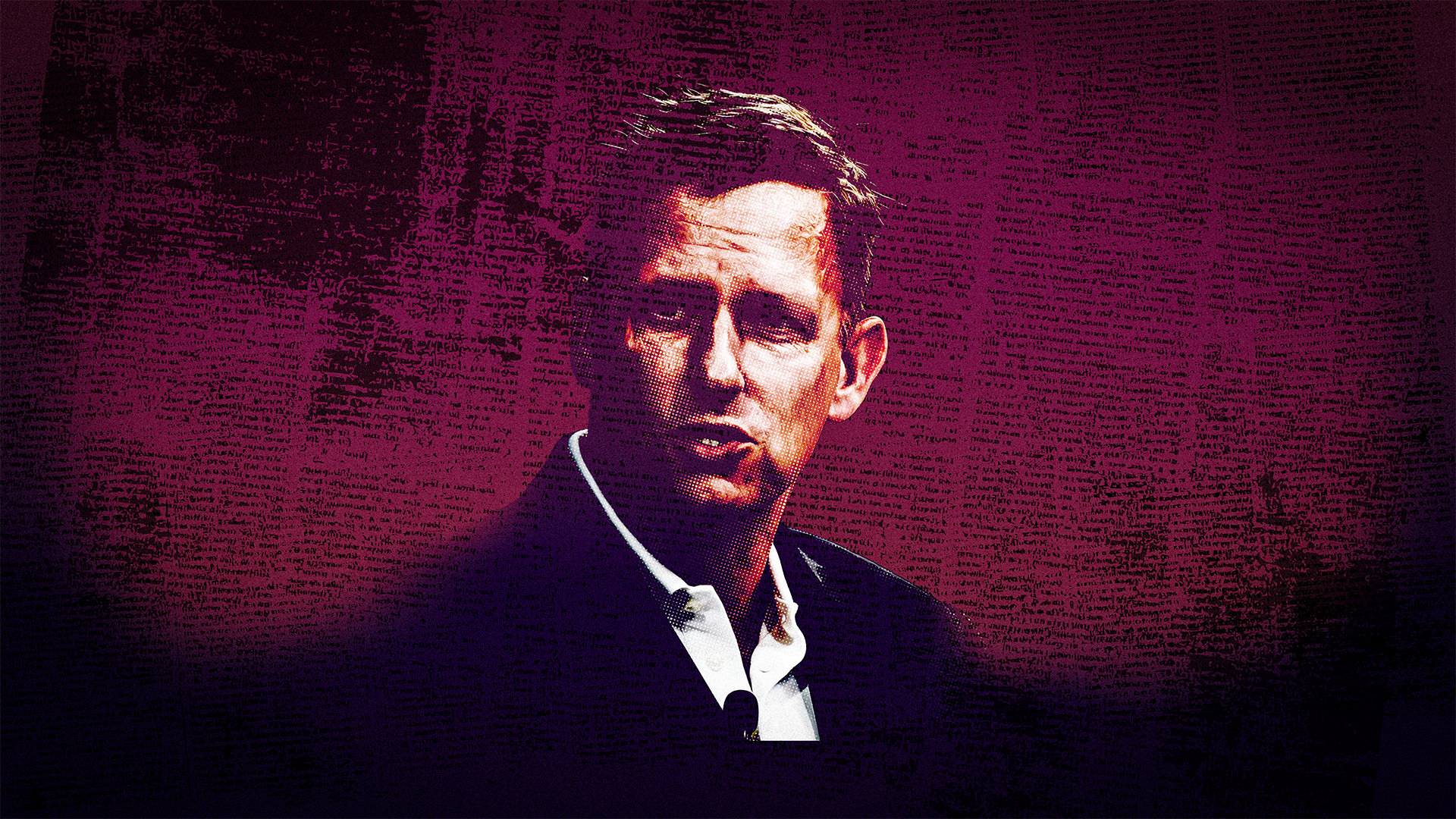
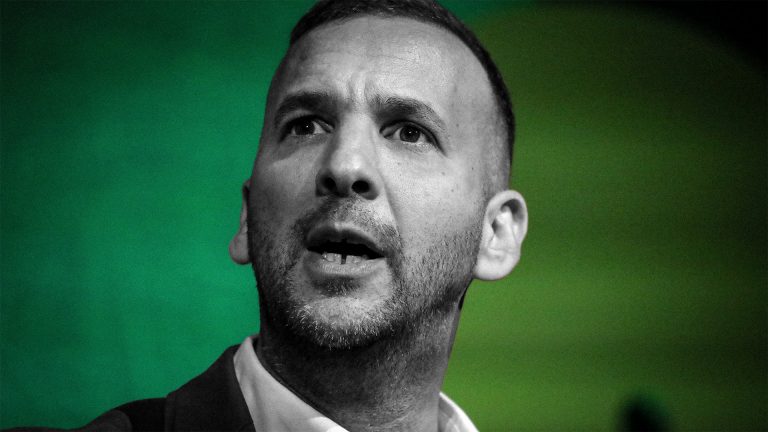
Not content with fulminating against the evils of financial regulation and progressive politics, and occasionally suggesting that Greta Thunberg might in fact be the antichrist, everyone’s favourite venture capitalist vampire plutocrat Peter Thiel has a new target in his sights – journalism!
Just in case you didn’t think the media was struggling enough, with the death of print, social media becoming less link-friendly and AI news summaries causing traffic and ad revenue to crater, here’s the Thiel-backed startup Objection.ai. This new AI venture describes itself as, “The AI Tribunal of Truth” and it offers anyone who can afford its services the chance to “vindicate your reputation in days, not years.”
The company’s raison d’être is summarised in the following mission statement: “Today, anyone can publish allegations. Almost no one can afford to challenge them. Objection changes that. It gives everyone a fast, affordable, evidence-based way to dispute statements in the media.”
The first thing to say is that lots of people are able to challenge the media – primarily very rich people like Peter Thiel who can afford to pay tens of millions in legal fees to quash or contest reporting they dislike. But beyond that, there are some questionable elements to the Objection pitch.
Suggested Reading
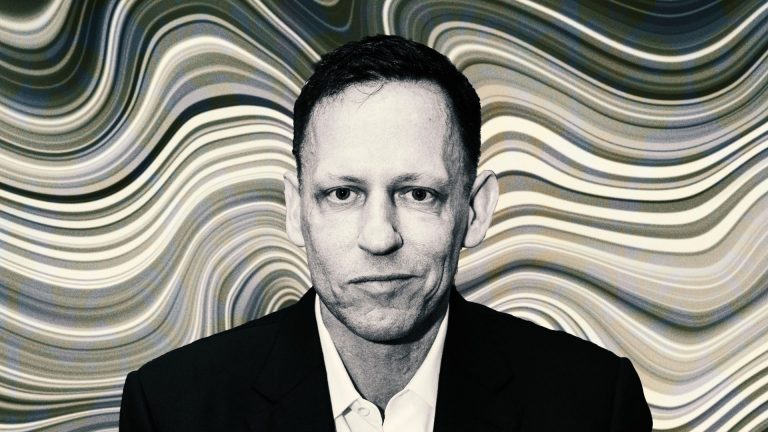
Peter Thiel and the Antichrist
The service will work as follows. Anyone – for a fee! – can file an objection, which will trigger an investigation by a team hired, the company says, from a talent pool including British and US intelligence agencies. The results of these investigations will be fed to a “tribunal” of AI models which will then render a verdict.
There is, though, nothing remotely binding about any of these “judgements”. The (very) small print in the site’s footer states that, “judgments on Objection are only legally binding if the parties agree to binding arbitration under the Rules of the Objection Court of Arbitration”. The likelihood of any media outlet agreeing to be bound by an AI’s judgement of the quality of their reporting, based on a vexatious claim brought by an aggrieved individual, seems low. But legally binding verdicts aren’t the point here.
The real aim of the project is to continue to undermine the legitimacy of journalism as an institution, and journalists as individuals. Objection is creating what amounts to a scorecard for media, which it calls an “Honour Index”, a “public, cumulative record of performance under the adjudicative process… [it] measures how journalists and other actors behave when their claims are tested. It does not measure popularity or subjective intent. Honor Index increases with truthful statements, fair corrections, and submissions of strong evidence. It decreases when authors lose objections or submit faulty evidence.”
The cost of the process to complainants is opaque, but the company is suggesting it will be around $2,000 per “objection” – a relatively small fee for a motivated individual to cast “evidence-based” doubt on the work of a newspaper, website or reporter. Even if outlets and reporters choose not to enter into “binding arbitration agreements”, it’s not hard to see how over time the results handed down by Objection’s AI tribunal could be used as yet another stick with which to beat the media.
So which parts of the fake news media are the early subjects of Objection investigations? It may not come as a huge surprise to learn that they include the New York Times, for reporting on how Thiel’s fellow traveller David Sacks, former PayPal chief operating officer and Donald Trump’s former “AI and Crypto Czar,” uses his White House position to benefit Silicon Valley connections.
Another target is The Wall Street Journal, for its revelations about the doodle contributed by Donald Trump to Jeffrey Epstein’s birthday book. Another Objection target is the British reporter Hannah Broughton for a story in the Daily Mirror about allegations that Amazon workers were told to continue working while a colleague lay dead on the warehouse floor. The pattern is not hard to spot.
Should you be fortunate enough not to have an encyclopedic knowledge of Peter Thiel and his “journey”, you may be asking “who is this guy, and why does he hate journalism so much?” Leaving aside the obvious answer (“he’s a billionaire, they tend not to enjoy scrutiny”), Objection.ai is best understood as the latest move in a much longer game.
In 2016 it emerged that Thiel had secretly funded a lawsuit by the wrestler Hulk Hogan against Gawker Media, a legal action that eventually produced a $140m judgment and forced Gawker into bankruptcy. Thiel confirmed his involvement and defended it as an act of revenge for the fact that, in 2007, Gawker had outed him as gay.
The piece in question was headlined “Peter Thiel is totally gay, people,” and concluded with the sentence, “I think it’s important to say this: Peter Thiel, the smartest VC in the world, is gay. More power to him.” Regardless of the broadly positive tone (and the fact that Thiel’s sexuality was not unknown in the Valley at the time), it angered him to the extent that he spent nearly a decade quietly orchestrating what he described as “one of my greater philanthropic things.”
One of Objection’s co-founders is Aron D’Souza, who worked with Thiel on the Gawker trial, and who explains that “Gawker was not unique… It was simply the first large media company to be tested against reality in the age of clicks, outrage, and algorithmic amplification. Since then, the same structural failure has spread everywhere.”
It’s the latest example of how Thiel has sought to bend the entire world to fit his view of How Things Should Be. His impact on the culture of Silicon Valley is difficult to overstate, and, sadly, what happens to the culture of Silicon Valley seems destined to happen to culture elsewhere, whether we like it or not.
Suggested Reading

Don’t ban kids from social media – the real problem are the over-60s
After making his billions from the sale of PayPal in 2002, he founded everyone’s favourite terrifying corporate surveillance panopticon Palantir, which builds data analytics and intelligence software used by the military, intelligence agencies, police departments, and immigration enforcement bodies worldwide. It has also lobbied its way into the heart of the UK government, including the Home Office and the Department of Health.
Thiel also created Founders Fund, which became one of Silicon Valley’s most influential VC firms. Thiel was the first outside investor in Facebook, and also took early stakes in SpaceX, Airbnb and Lyft among others. In general, he’s successfully propagated the idea that the tech industry’s interests are best-served by more authoritarian or nationalist arrangements, an intellectual trajectory which has very much come to the fore in the past decade.
He was the first big name in the Valley to come out in support of Trump in 2016. He’s pretty much directly responsible for the rise of JD Vance (oft-described as a “protegé” of Thiel’s). He’s a confidante of Curtis Yarvin, a proponent of the “dark enlightenment” movement that argues, in its mildest form, that democracy is a failed system and that some kind of authoritarian governance would produce better outcomes (very specifically, for people like Peter Thiel).
Suggested Reading
The Daily Mail’s dangerous obsession with Meghan
He ran the Thiel Fellowship, which paid talented young people $100,000 to drop out of university and pursue entrepreneurial projects – entrepreneurial projects that happen to fit the worldview and goals of Peter Thiel.
For someone who’s been at the heart of some of the planet’s most financially, technologically and culturally significant businesses, though, it’s only in the past few years that the mainstream media has started paying close attention to his impact and influence. Which is presumably why he’s quite keen on developing tools to prevent or dissuade them from doing so via Objection.ai.
Why now? Perhaps because it’s hard not to look at the global political and socioeconomic trajectory post-2016 and see it as a weaving together of strands of thinking that Peter Thiel has carefully spun since the turn of the millennium. He’s done this through a collection of seemingly-disparate projects, investments and endorsements. The natural, logical next step is obviously to hamstring anyone who’s trying to point this out.
It’s yet another instance of the world’s richest men seeking to undermine the legitimacy of the few remaining institutions that seek to expose his actions – the logical extension of a mindset that truly believes that a price can be put on everything, even “truth”.
While a single “investigation” is unlikely to do to the Daily Mirror what Thiel did to Gawker a decade ago, the cumulative effect of initiatives like these will be to further erode trust in media, disincentivise the sort of investigative reporting that might hold people like him to account, and help the billionaire class continue to evade scrutiny and sanction.
Ten years ago, Peter Thiel spent $10m to silence a single news outlet, but now he’s making this ability available at scale, which is why investing in journalism is more vital than ever, regardless of your objections.
 Most popular

I was at Eton with Charles Spencer – this is how it explains his battle with the royals
Emily Maitlis’s diary: My deep dive into Jeffrey Epstein’s hidden empire – and the network that let him get away with it
The Greens’ foolish anti-Zionism vote is a disaster for Zack Polanski

Putin’s wartime economy is heading for catastrophe