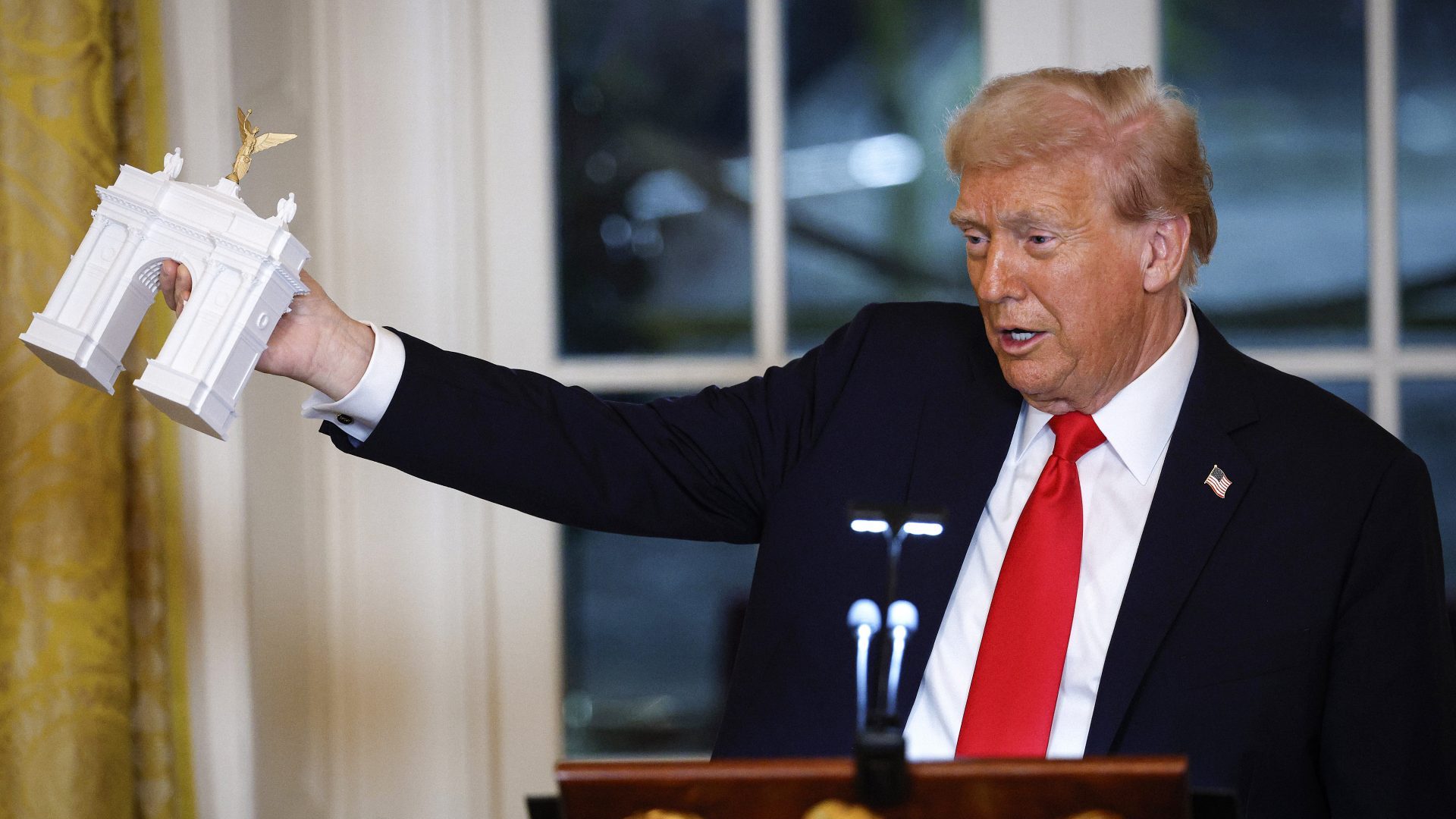
1. Donald Trump’s ambitions to change the face of Washington DC to something more orangey do not stop at the White House ballroom (vital, we now know, for security reasons). His proposed 250-foot “Arc de Trump” is not actually called that: officially, it’s the United States Triumphal Arch. But my brain will absolutely not retain that label, and I can’t shake the feeling that this is deliberate.
2. When asked by a reporter last year whom the arch would be for, Trump said, “Me”. It seems unlikely that Donald Trump has ever read Percy Bysshe Shelley’s Ozymandias, but if he did, he clearly didn’t understand it.
3. Artists’ impressions of Trump’s arch make it look like it should be made of plaster and have water spewing out of it into a hot tub in Mar-a-Lago: a garish shining white thing, topped with (this from the BBC) a 60ft “golden Lady Liberty-like statue with a torch and crown”.
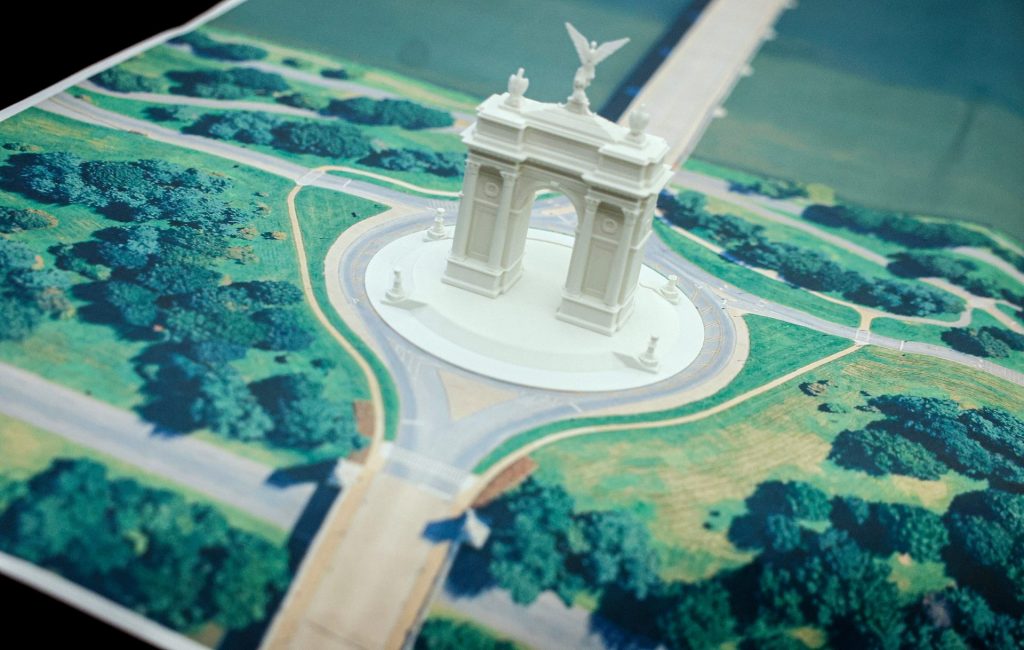
4. It will also be massive: the 250ft (76-metre) figure is presumably to commemorate the 250th anniversary of some bit of paper from 1776. That’s the height of a 20-storey skyscraper, and taller than both the US Capitol Building and the Lincoln Memorial, two existing monumental structures that’ll no longer be visible from each other because there’ll be a massive great arch in the way.
5. Like many of the planet’s worst things, triumphal arches started in ancient Rome. Successful military campaigns were marked by processions named “triumphs” – but these, alas for the fragile egos they celebrated, eventually had to end (even if the one celebrating Trajan’s conquest of Dacia somehow lasted 123 days).
6. So to provide more permanent memorials, emperors borrowed a trick despots had been playing since time immemorial: channelling vast quantities of capital and labour into permanent but function-free monuments like the Arch of Titus (c. AD81), built by Domitian to celebrate his brother’s victory over the Jewish Rebellion. Look what we did, runs the subtext. Or – this may explain why they’ve proved popular with dictators – look what we could make other people do.
Suggested Reading


UFOs over the White House
7. Napoleon commissioned the Arc de Triomphe – the Parisian monument whose design did not so much inspire the Arc de Trump as was stolen by it – in 1806, to mark his victory in the Battle of Austerlitz. So huge is it that laying the foundations alone took two years, and it wasn’t completed until 1836, by which time neither Napoleon nor his empire were quite what they’d been. Although it remained the tallest triumphal arch in the world for over a century, it’s an actual baby compared to Trump’s effort – just 49.54 metres.
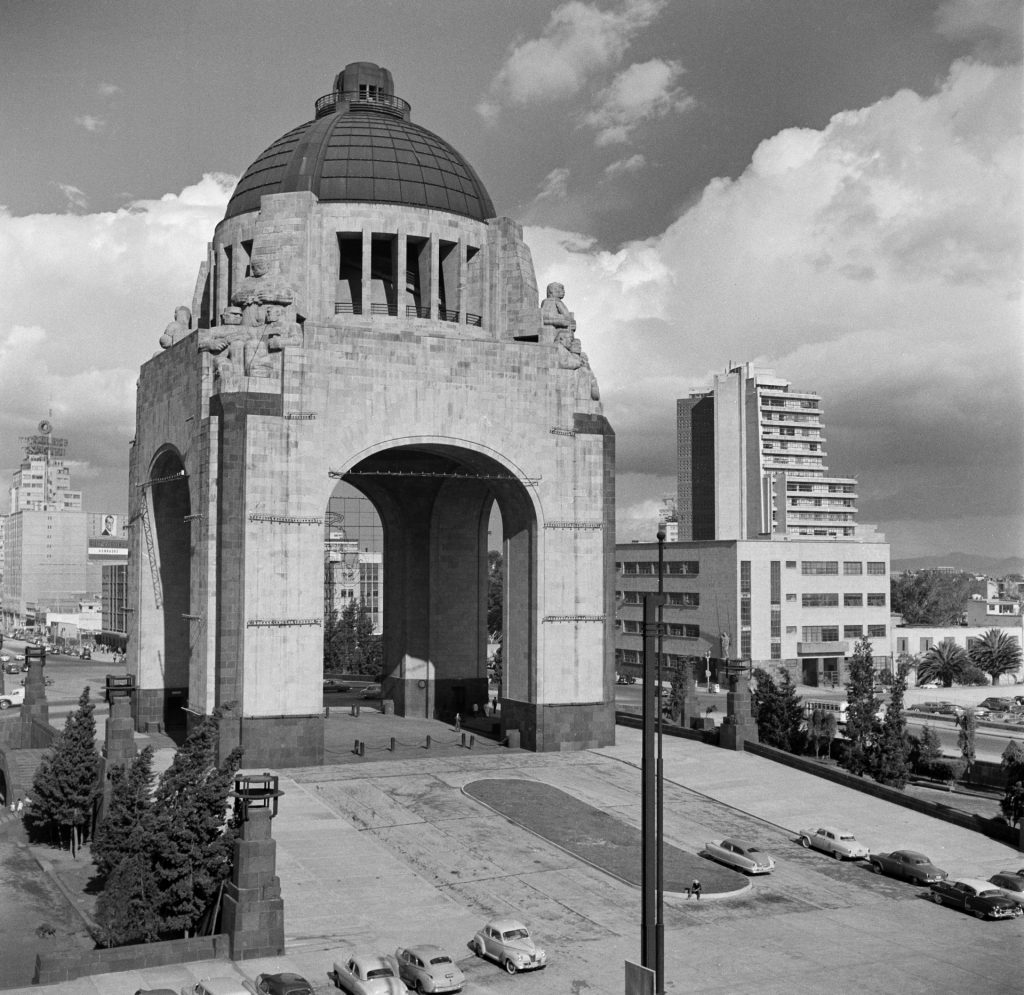
8. When it was eventually overtaken, it was not by a dictatorship at all. Plans for Mexico’s military dictator Porfirio Díaz’s new Palacio Legislativo Federal were abandoned in 1911 following a slight revolution. Over two decades later, architect Carlos Obregón Santacilia proposed repurposing its derelict Hall of Lost Steps as the foundation of a new Monumento a la Revolución. Since 1938, the Monumento a la Revolución, has – at 67 metres – been the tallest triumphal arch in the world, and doubles as a mausoleum.
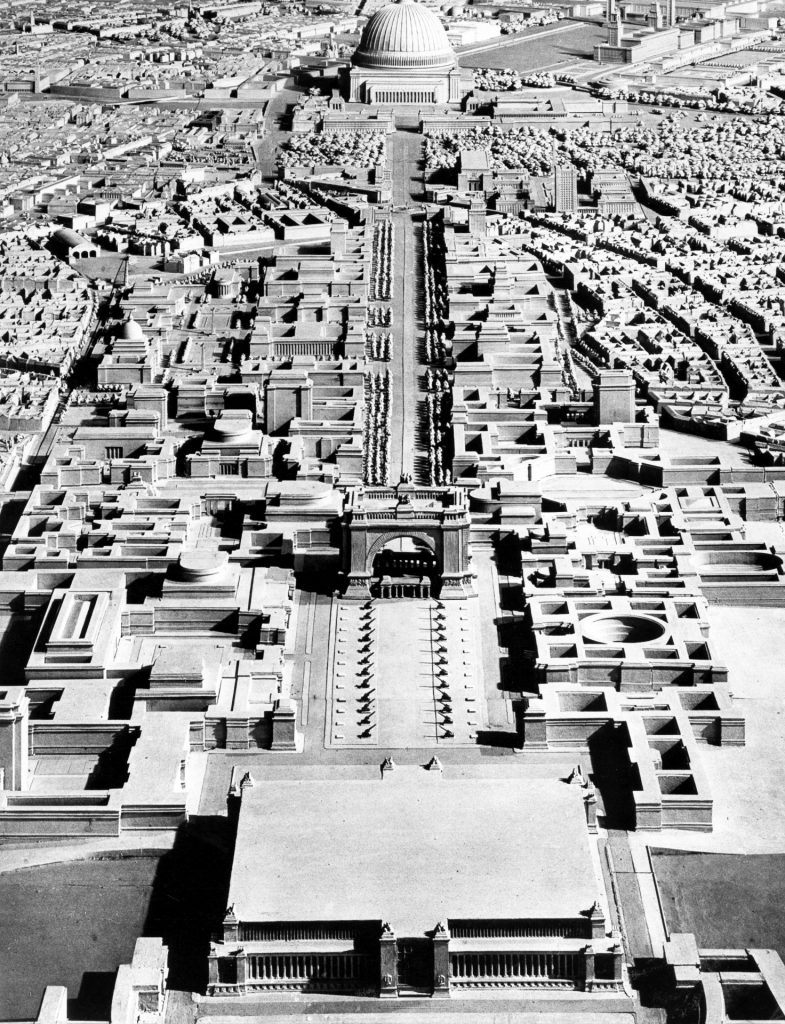
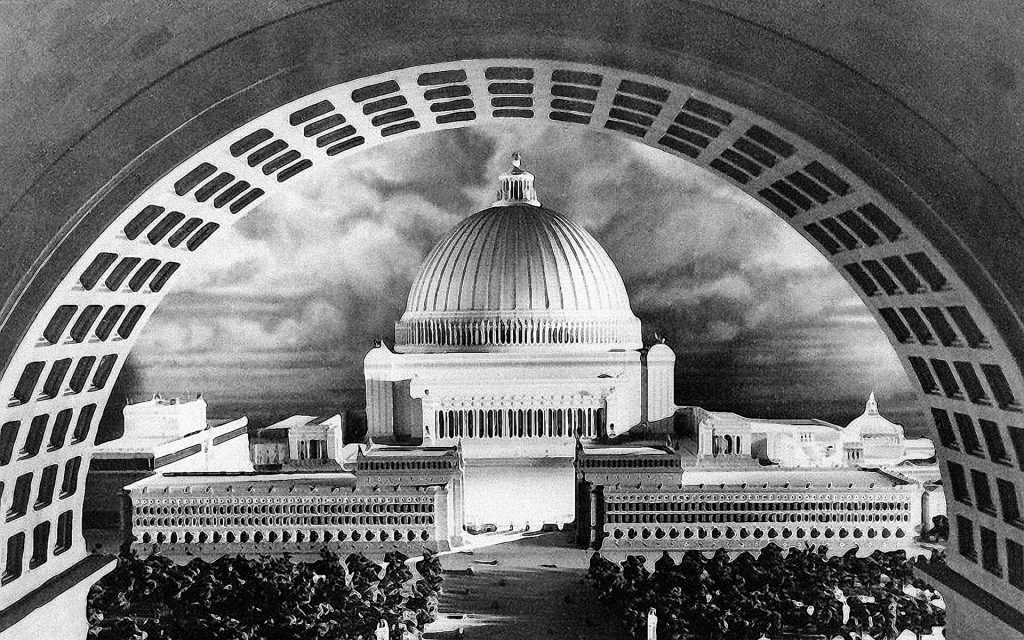
9. Even this would have been dwarfed by the triumphal arch proposed by Albert Speer as part of Hitler’s plans for a postwar Berlin. That would have been 120 metres high, inscribed with the name of 1.8 million German war dead, and taken up a space vast enough to contain 49 Arcs des Triomphes. Events, thankfully, rather overtook that one.
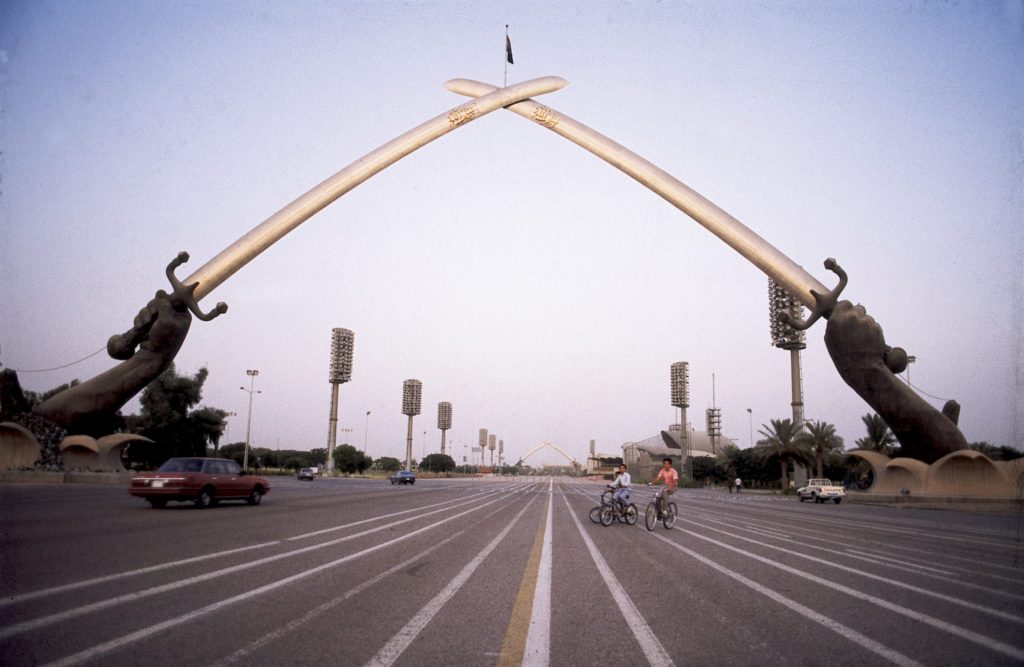
10. One monument that actually did get built was Baghdad’s Swords of Qādisīyah, built to commemorate Saddam Hussein’s victory – sure, why not – in the Iran-Iraq war. That’s only 40 metres, but makes up for its deficiencies in that area by being a pair of massive crossed swords. Which is pretty metal.
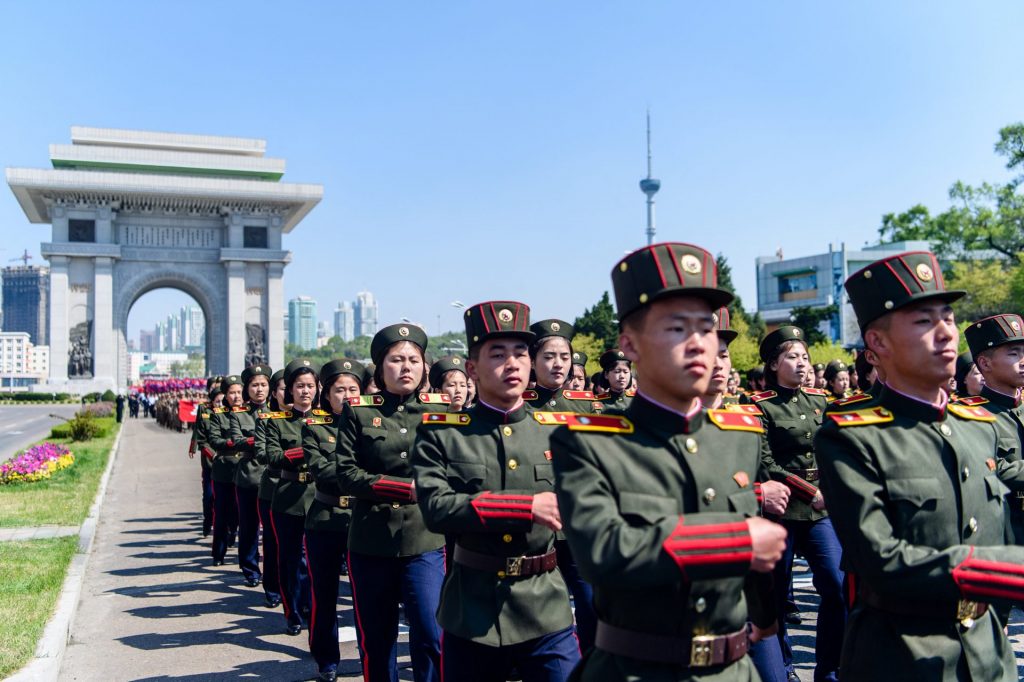
11. Pyongyang’s Arch of Triumph, ostensibly built to mark Korean resistance to Japanese imperial domination during the second world war but actually to show off how great being in charge is, was completed in 1982 at a frankly disappointing 60 metres. Still, after recent events in Iran, it’s nice to know the US can still beat North Korea.
12. Although it’ll probably be worth measuring to check: Donald Trump has a long history of exaggerating the height of his skyscrapers, something I’m sure that doesn’t say anything else about him whatsoever. The penthouse of Trump Tower on Manhattan’s 5th Avenue, for example, is officially the 68th floor. According to those who’ve bothered to count, it’s actually the 58th.
13. The new arch is predicted to cost at least $30m ($22m), at least half of which will be funded by taxpayers. And it’s possible that literally nobody but Trump wants it. This is not a turn of phrase: a consultation on the plan conducted by the Commission of Fine Arts received around a thousand comments about the proposal, every one of them against. Luckily for the DC souvenir shops of decades to come, those negative nancies don’t get to make the decision.
Suggested Reading


Thirty more questions that Keir Starmer didn’t think to ask
Jonn Elledge’s new book The World as We Built It: A History of Civilisation in 31 Innovations is published in August