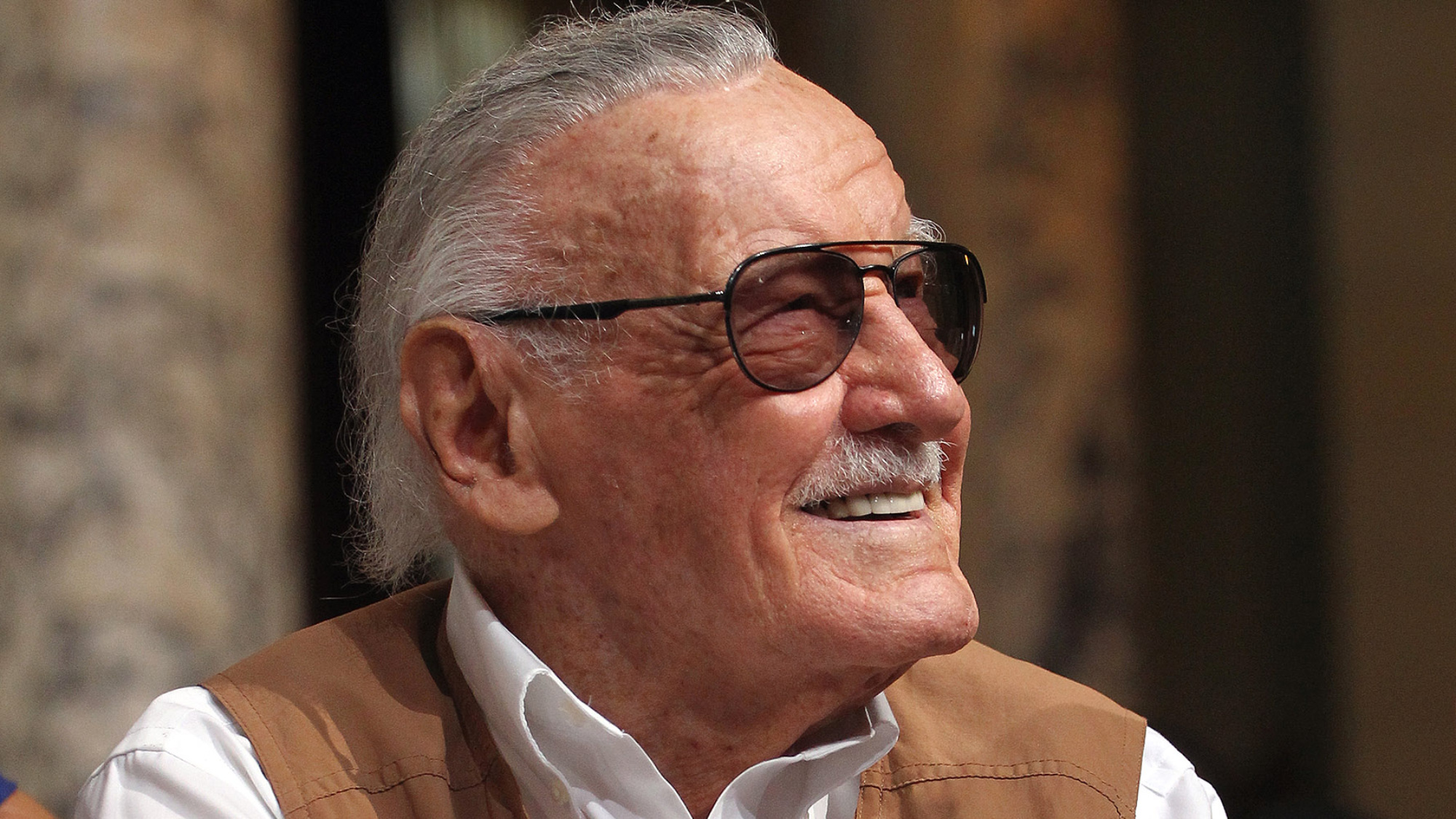
It’s breakfast time and Stan Lee is fed up. He’s been tasked by Marvel Comics with creating a new series of superhero characters, but he’s been doing this for too long. He’s almost 40; maybe his best years are behind him. As always, he looks to his wife, Joan, for guidance.
As far as she can see, it’s straightforward. “Why don’t you do one book the way you want to do it? If you write something you enjoy, create something you’d like to read, then others will enjoy it too,” she suggests, a hint of Geordie still in her accent even after all these years in America. Later, she asks: “Why are there no superheroes with problems? Why do superheroes have to be so perfect?”
His brain in overdrive, Lee shares his wife’s wisdom with his collaborator Jack Kirby, and they set about creating characters overburdened by responsibilities and emotions, not just battles with villains. The Fantastic Four debuts in November 1961. It feels right. It feels different. It feels real. The idea changes the superhero genre, and popular culture, for ever.
The world-weariness Lee had felt when being asked to create yet more characters was partly down to the long years he had already spent in the comic-book industry. He’d started out at Timely Comics as a 16-year-old, making cups of tea and proofreading as well as making sure the artists and letterers had their inkwells filled.
Even when serving in the army during the second world war, he had written to a weekly deadline, with characters including The Destroyer. This was the ultimate exercise in catharsis, creating storylines for a wartime superhero while serving in a war zone.
For the next two decades, he wrote on demand in genres from romance to westerns, using the pen name of Stanley and later Stan Lee. He was saving his real name, Stanley Martin Lieber, for the great American novel he dreamed of writing. These superheroes were just keeping him busy until his masterpiece emerged.
This plan was disrupted when something caught his eye. “I saw a fly on a wall and thought, ‘wouldn’t it be great to have a superhero with the powers of an insect?’” Lee remembered. He loved how dramatic the name Spider-Man sounded, and it didn’t take long to work out other ways for Peter Parker to stand out. “As far as I knew, there weren’t any teenage superheroes. I gave him a personal life, full of problems he needed to take care of.”
The world loved Lee’s creations, which usually came to life as he sat side by side with an artist, obsessively discussing the characters’ internal lives. His mantra became: “What did they do when they weren’t fighting supervillains? Where did they live? What were their hopes, dreams, frustrations?”
These complex characters, combined with the extraordinary artistic talents of those around him, attracted new and more sophisticated consumers. Comic books were no longer just for kids; they now became escapism for an adult readership in an increasingly uncertain US and a changing world.
Lee’s ability as a front man made his own name a brand to rival Marvel, and over the years this helped foster resentment, with Kirby and genius artist Steve Ditko leaving the company. But Lee made sure each creative on the team was given their name on a newly created credits page, meaning fans could write to writers and artists individually.
The letters pages of Marvel Comics became as loved as the strips, with Stan’s Soapbox his way of telling readers about everything from upcoming creations to social issues. In a 1968 soapbox about Black Panther, he wrote: “Let’s lay it right on the line. Racism and bigotry are among the deadliest social ills plaguing the world today.”
Suggested Reading
Madeleine Riffaud, the poet who blew up Nazi trains on her 20th birthday
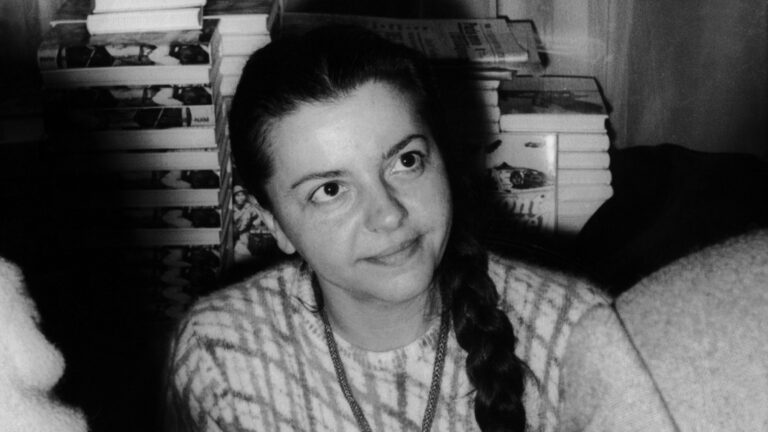
Having spent a life immersed in the world of superheroes, he always had the same answer when asked what his own superpower would be: luck. It was completely by chance, and a plotline that would not have been out of place in Spider-Man, that he met Joan, who had emigrated to the US as a war bride and then become a hat model.
He turned up to her agency for a date with another model, but Joan answered the door. “There was one girl I drew,” he said later. “One body and face and hair. It was my idea of what a girl should be. The perfect woman.” When he looked at Joan, he realised that “she was the girl I had been drawing all my life.”
He proposed two weeks later, and the couple were married for 69 years. Joan’s look became the template for Gwen Stacy, Peter Parker’s second girlfriend.
Even in his 80s and 90s, Lee would animatedly talk to fans as if it was the first time anyone had ever asked about the X-Men or Silver Surfer. He would oblige by singing along to the Spider-Man theme or happily answering niche questions from supergeeks about Unus the Untouchable or The Porcupine.
He had a genuine childlike delight in his own work, thanks to that advice from his wife, to write something he enjoyed. He knew now that so many others enjoyed it too.