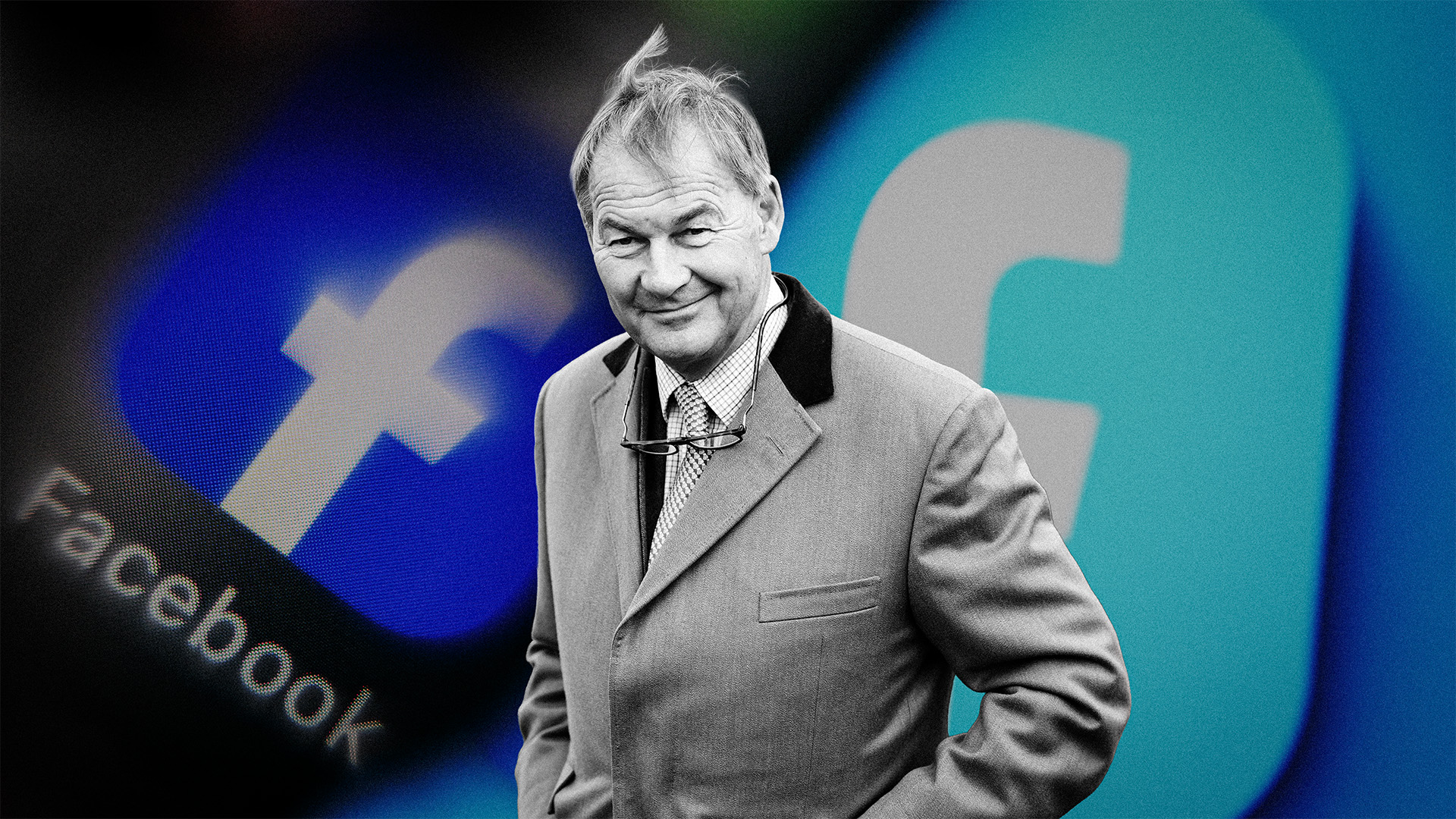
There can be no surer symptom of the rot at the heart of Facebook than the fact that Rupert Lowe, leader of the far-right Reform Party and ex-colleague and current antagonist of Nigel Farage, is doing so well on the platform. The 68-year-old, whose party’s stated aims include “carpet bomb wokery” has 1.5 million followers, up from 500,000 in November last year.
If this is news to you, congratulations. Odds are you’re either young, blissfully out of sync with all the hateful content on social media, or, miraculously, both. But Lowe’s success exemplifies how Facebook has weaponised the anxieties and concerns of millions of Britons to drive its increasingly older, isolated users into unreality.
After a period of early dominance, Facebook has struggled in a world also populated by its adopted sibling, Instagram (which Facebook acquired in 2012), Twitter (now X), and especially TikTok. When the pandemic hit, the latter took off like a rocket.
The coveted 18-25 demographic, who’d already been tiring of Facebook for a few years, flocked to TikTok in their millions to upload memes, vibe checks, and whipped coffees, leaving Facebook’s homepages largely populated by decidedly older people, and full of family photos, complaints about the bins, and status updates.


Unfortunately, the platform had other ideas. Rather than shuffle into obscurity, it adopted TikTok’s own addictive formula. Until 2021, Facebook prioritised posts from users’ friends and family. If you logged on before then, your feed likely consisted of a familiar roll call of high school acquaintances, cousins, and exes whose albums you’d doubtless trawled countless times already.
After 2021, things changed. Like TikTok, Facebook started focusing on recommendations. It predicted what users wanted to see, meaning anyone (like a far-right agitator) selling a striking message that struck at the heart of people’s concerns (like distrust of the government) and suggested a handy culprit (immigration) was likely to gain traction well beyond the people they actually knew. It was terrifyingly effective.
After the far-right anti-immigration riots of summer 2024, a Guardian investigation found that extreme nativism and populism had been fomenting at an alarming rate on Facebook. Groups had formed in which dehumanising rhetoric was repeated over and over again, until, to their members, it sounded normal.
Three of the largest groups driving misinformation and conspiracy theories were run by a team of middle-aged admins. Correlation isn’t causation, but incidentally, suspects charged in connection with public disorder in the 2024 unrest were generally older than those charged in the 2011 London riots.
Older people aren’t necessarily more gullible than young people, but they do tend to be less media-savvy and have more partisan bias when it comes to filtering misinformation. Facebook fired its fact-checkers in 2025, prompting a surge in fake news about UK politics, much of it generated by AI content farms.
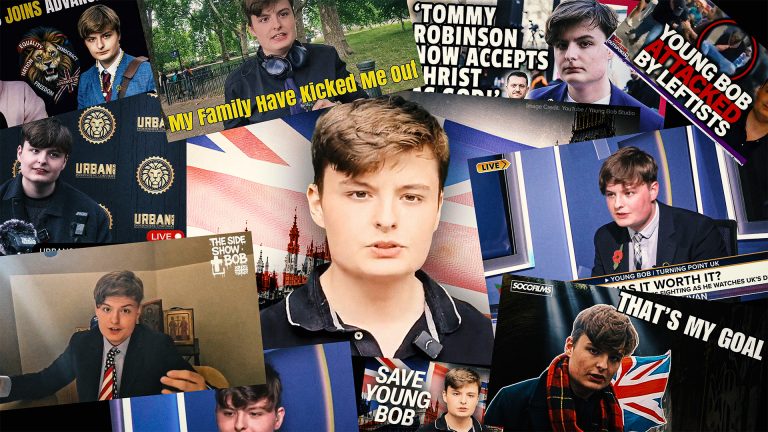

Research published in July found that tens of thousands of people had joined pro-Restore Facebook groups created by people apparently in Bangladesh and Pakistan. They drew users in with politically charged, Islamophobic content, then turned the groups into shop fronts to sell various tech.
Throw in the fact that older and less educated users are coming across this messaging alongside photos of their loved ones, and you have an echo chamber that’s both primed to radicalise them and feels like home.
These are the conditions in which a figure like Lowe can explode. Either by design or an accident of narcissism, he often positions his posts as coming directly from him, rather than as bulletins from Restore Britain. A user might tune out overt party brainwashing, but eye-grabbing, plain-English statements from a bloke who looks very similar to your own community, and who’s appearing on your homepage alongside your best mate, feel trustworthy.
Click on a story or two about women being attacked at night, and suddenly, your feed is full of claims from Lowe about how an immigrant “invasion” is putting “incredible British women” in danger. If it sounds a little out-there at first, odds are you’ll see a ton of people who look and sound like you affirming the claim in the comments, reassuring you of its validity. You’ll be indoctrinated in no time.
 Most popular


Emily Maitlis’s diary: Trump doesn’t fear the AI apocalypse – but he’s terrified about the midterms


Sky’s The Wargame might be prescient – but it’s also propaganda

The decline of the Daily Mail

The right wing media hounded Jason Arday and ignored James Orr. It’s obvious why