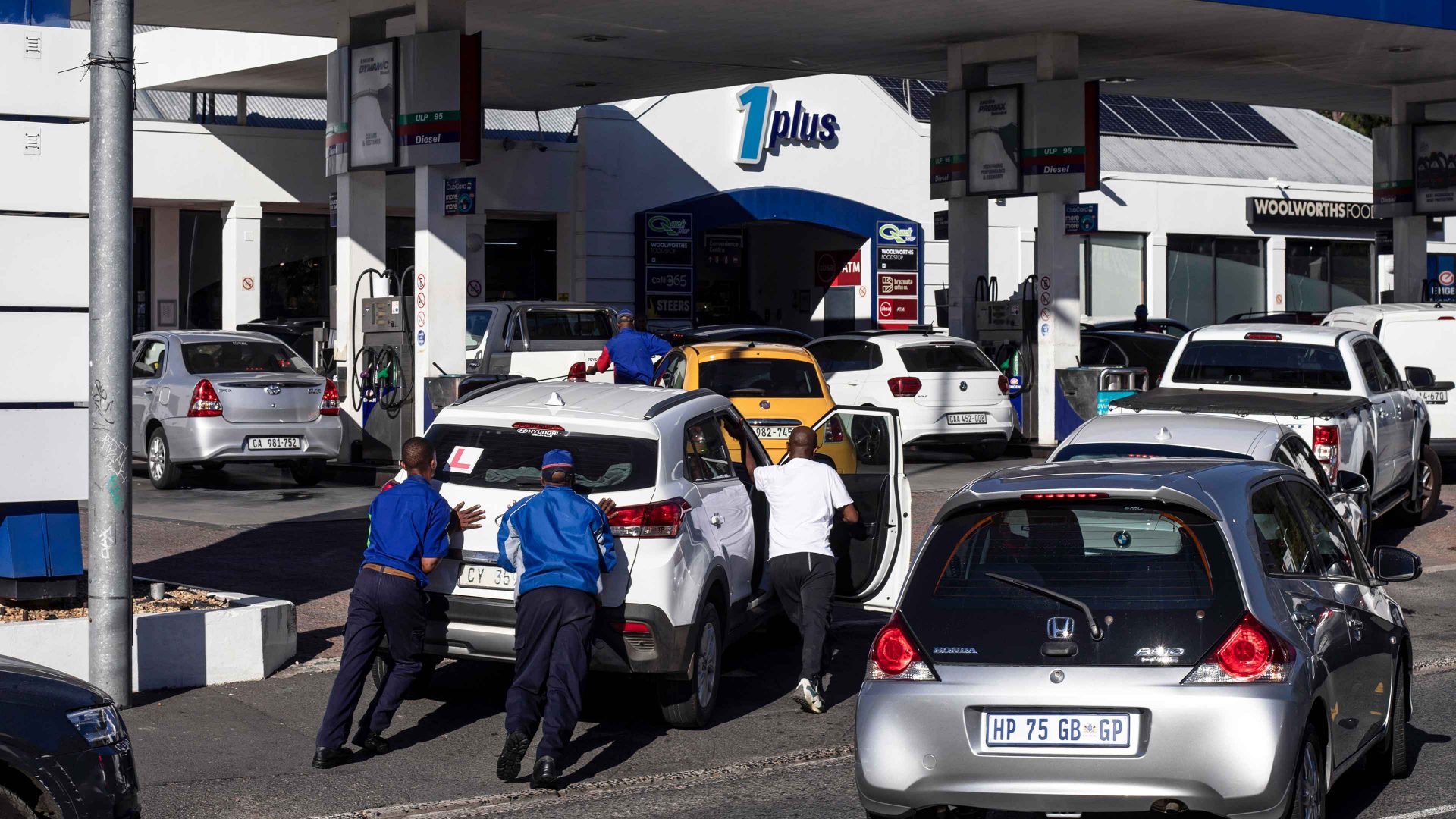
There’s an urgency every month at South African fuel stations, the day before the government adjusts the fuel price. And when I say “adjusts” I mean “increases”. If it’s going up even by a few cents, there will be queues of people waiting to fill up at the lower price.
The last day of March was different. The war in Iran is really starting to make a big difference here. Between my leaving the house and driving to the petrol station down the road, the government had negotiated a cut to the fuel levy, which meant the increase the next day was going to be less than expected. This was a relief, but it did little to ease my overall worry.
Prices go up and up – but the real fear here now is that the country may actually run out of fuel altogether. This is already happening in some areas of South Africa because of panic buying and fuel hoarding. Hundreds of pumps have run dry, as supply networks around the country couldn’t handle the rush. Our national ability to cope with a “real” shortage doesn’t look good.
The fuel crisis has also set off a new conversation about working from home. Rising costs are starting to affect food prices, too, though the full consequences have yet to be seen.
Suggested Reading
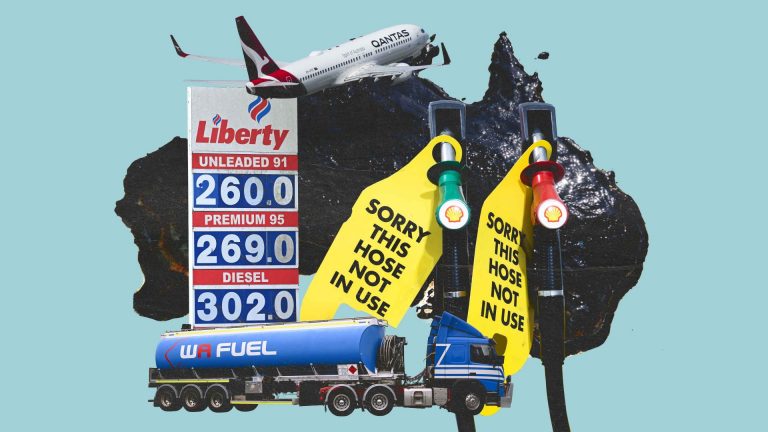
The Iran war has taught Australia a new, brutal truth about itself
It’s good to hear the government intervene and try to soften the blow on consumers, but South Africa is a hydrocarbon nation and it will be impossible to shield us from the international rumblings long term. Our electric grid still relies on fossil fuels. The price projections for fuel costs in the coming months are terrifying.
Inevitably, as with so many crises, the vulnerable will be hit hardest. While petrol and diesel are going up, the costs of paraffin and gas are also increasing. Over half a million South African households cook and light their homes with paraffin. The price has now doubled. Some people now cannot afford to cook.
Today, I have gone on a slight detour to visit a specific petrol station, not my closest one. Though what’s in the tank is identical, this one lines up with my personal arsenal of store loyalty points, which South Africans are deeply fond of. But I’ve forgotten to bring the right card, and I’m left to lose out on a few extra points that could have brought relief. The petrol attendant nods knowingly at my misfortune.
Of course, I am not filling up my car myself, since self-service is almost never an option in South Africa. What may seem luxurious is, in fact, another stark reminder of the gross unemployment rates, and that anything that could be a job opportunity becomes one.
With a full tank, I see the lines of waiting cars behind me. “Good luck with your busy day,” I say to the pump attendant. “We’ll be busy until we’re not,” he says matter-of-factly, perhaps nodding at the question we all have. I hope all these customers mean he will make some good tips. It’d be nice to think at least someone is doing well in these tough times.
Elna Schütz is a Johannesburg-based freelance journalist working in audio and writing