“Give yourself the opportunity to enjoy an unforgettable experience with us!”
The chipper, disembodied voice emanates from an oversized speaker placed carefully next to a few plastic shopping trolleys on a pavement in Mexico City’s Doctores neighbourhood. The speaker goes on, enthusiastically informing passers-by of the deals on offer inside.
“Get to know your SuperISSSTE shop,” it continues, “where you will find a wide variety of high-quality products at an excellent price! Get to know us and become part of the family.”
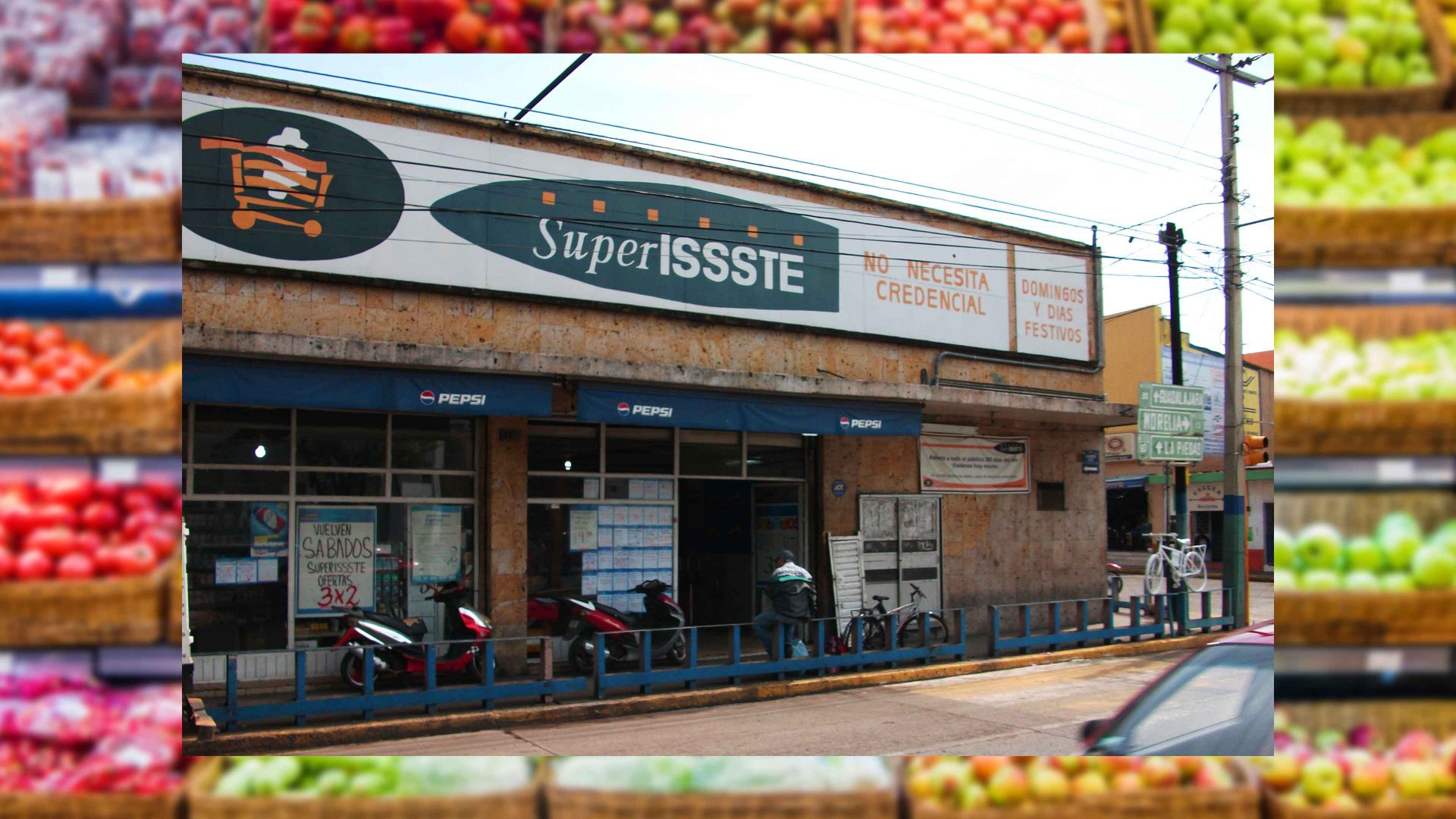
The shop is a medium-sized supermarket with back-to-school deals, a wide selection of coffee and other pantry staples interspersed with a few specialist products. I pick up a bar of local dark chocolate, some fruit and powdered mole, a rich sauce that’s hard to come by outside of the southern states.
The unusual thing about this supermarket is that it’s government owned, hence the basic Mexican products and low prices. These stores were first introduced in 1953, serving workers in the Institute for Social Security and Services for State Workers or ISSSTE (Mexican bureaucrats love acronyms).
They’ve survived over 70 years of regime change and political swings. At their greatest extent, they numbered at over 300, but, beset with issues from supply chains to corruption, many were shut down, particularly in the last 20 years.
President Claudia Sheinbaum is bringing them back. They’ve been brought under national control, and, gradually, branches are being reopened. The Doctores branch is the latest, the seventh during the Sheinbaum presidency. The total is now back up to 49.
As I pay, the cashier, dressed in a smart maroon pinafore, is gossiping with another customer. She’s local and worked here prior to closure, but spent years at another branch on the outskirts of the city. That one had a pharmacy, so she’d learned plenty, but she didn’t miss the commute.
Inflation and food security are pressing issues around the world. In the UK, Andy Burnham has come into office with big ideas about energy and transport – but food stands out as an oversight, especially as the UK imports 40% of its food.
In New York, Mayor Zohran Mamdani has been more proactive and introduced five city-owned grocery stores offering staples at a 30% discount. The first is slated to open in late 2027. But this, too, has faced opposition, most recently a lawsuit levelled by the Multicultural Business Coalition claiming to represent owners of some of the city’s smaller stores.
“I don’t think it’s a coincidence,” American writer Charlie Hope-D’Anieri said last year in a piece for the Bittman Project, “that in a time of right wing momentum across the world, politicians are spending political capital on this kind of project, in which the government takes a more hands-on role in a globalised and predatory supply chain that has such an intimate – and frustrating – role in so many lives.”
Suggested Reading

The parallel geography of violence in Mexico
Mexico’s quiet approach to food instability, reviving an almost 75-year-old project and emphasising national produce, seems to be paying off: SuperISSSTE sales are up 244% nationwide.
There’s no doubt that the understated success of SuperISSSTE is something from which other countries can learn. This is a social institution that has survived regimes of very different political types. In the long-term, it has paid off.
Leaving the Doctores shop, the speaker is still playing out on the pavement. “Do you want to try a drink made with real fruit and no added sugar?” the voice asks. “Try Nectas from Cooperativa Pascula, 100% Mexican.”