When Krishna Hari Pushkar, a senior bureaucrat in Nepal’s vice-president’s office, reportedly texted the prime minister, Balendra Shah, seeking an ambassadorial post before retirement, the response was swift. The PM’s office treated it as a breach of protocol. Police were told to question Pushkar and reports said an arrest warrant had been issued. Then Shah took the matter to Facebook.
“I also want to become an ambassador,” he wrote in early June. “If anyone has the PM’s number, please share it with me.”
It was a joke, but not only a joke. Shah, a former rapper who rose to fame as Kathmandu’s mayor, built his appeal by rejecting the smugness of Nepal’s old political class. He posts abruptly, ironically, sometimes mockingly. Supporters see him as direct. Critics see a prime minister using internet provocation backed by the power of the state.
That tension sits at the heart of Shah’s politics. He came to power after Nepal’s Gen Z protests in September last year. The youth-led anti-corruption protests spread on the streets and online, driven by memes and viral posts. Elections in March elevated Shah to prime minister and gave his Rastriya Swatantra Party nearly two-thirds of the seats.
Shah spoke in a language many younger Nepalis recognised: informal, impatient with ceremony and fluent in memes. But what once made him appear anti-establishment has followed him into office. Shah is no longer outside the government. He is the government.
Nobel Rimal, a digital culture analyst, says Shah’s politics are inseparable from online culture. “I see shitposting as an art form,” he says, comparing it to Gai Jatra, Nepal’s annual Hindu festival of humour.
Shitposting, in this sense, is deliberate unseriousness: provocative, absurd and often self-aware. “Sincere posting is what most older generations tend to do,” Rimal said. “Shitposting, on the other hand, is often meant for shock value.”
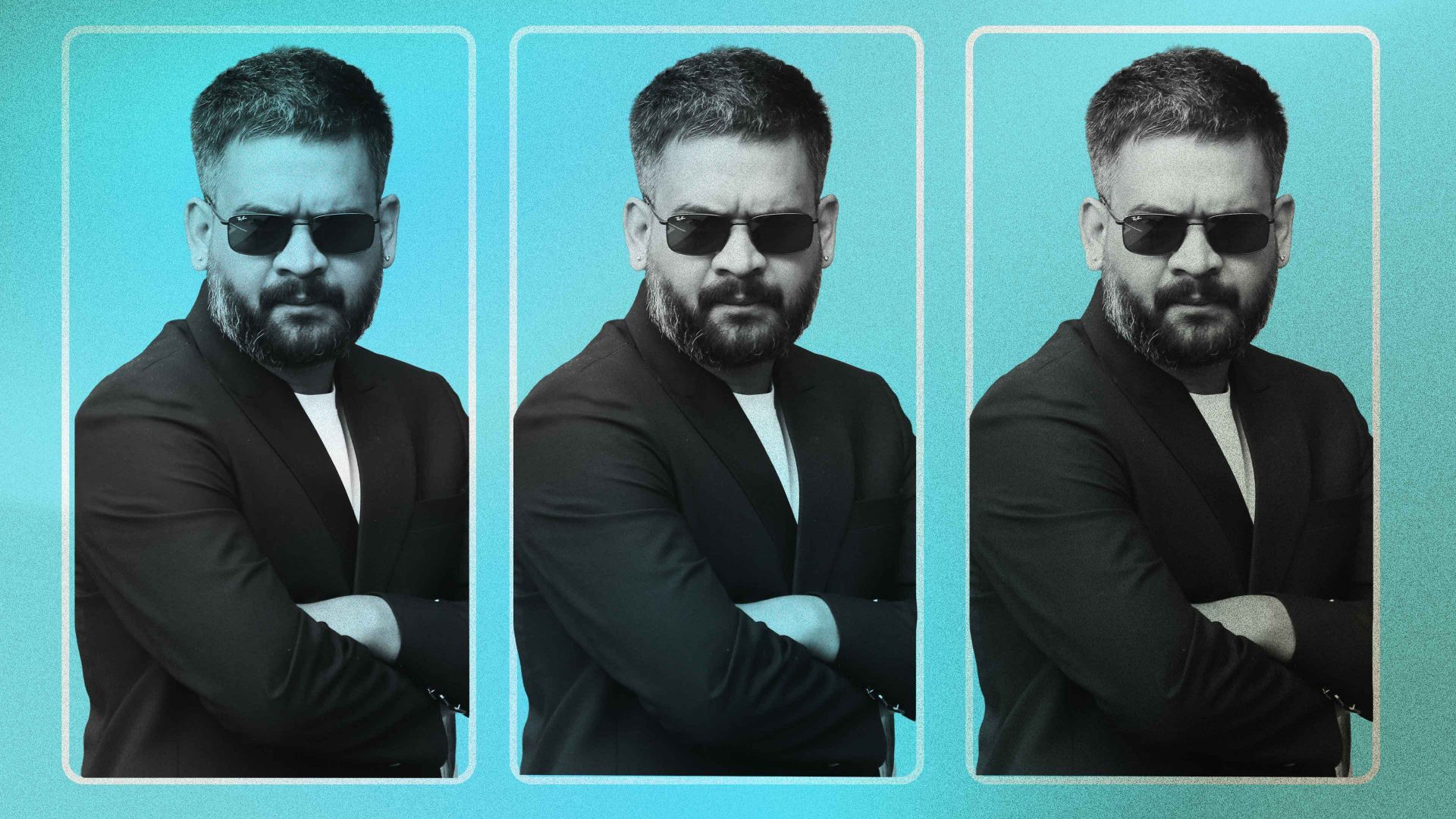
That shock value has worked for Shah. In mid-June, he posted a photograph of himself with two cabinet ministers, all three wearing sunglasses. The caption read: “PM, HM, IM,” shorthand for prime minister, home minister and infrastructure minister. He followed the post with the punchline: Desh Banaune Toli, “a team to build the country”. It’s Nepali humour that doesn’t quite translate. While detractors called it juvenile, his supporters found it funny.
These posts may seem harmless when they are only about images. They become more complicated when the prime minister’s feed becomes a stage for commercial endorsement or public shaming. Shah recently promoted a struggling state-owned dairy corporation. He wore a pair of locally made white shoes in parliament, turning it into a talking point. Supporters saw patriotic promotion. Critics saw a head of government endorsing particular products.
Rimal said Shah’s open promotion of particular businesses was “spectacular”, but still troubling.
To Shah’s supporters, this is the point. There is a direct line between the prime minister and citizens that bypasses party structures and the press. Rimal said internet personalities such as Shah often post with “plausible deniability”. “You can always say, ‘It was just a joke. I did not mean it’,” he said. “There is always a back door. That makes the act seem less serious, and no one is fully accountable for posting it.”
Suggested Reading
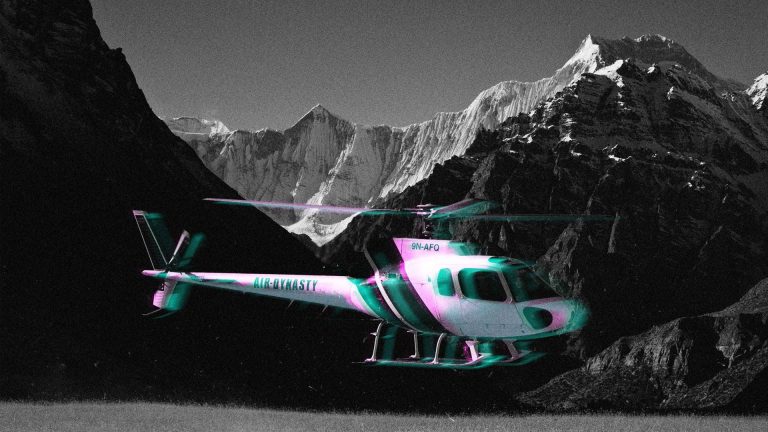
The scandal in the Himalayas
That ambiguity is easier to sustain when the poster is a rapper or mayor railing against an establishment. It is harder to dismiss when the poster is the prime minister.
Since becoming PM, Shah has relied on social media platforms such as Facebook and X, where he has amassed over six million followers, while largely avoiding public speeches, press interviews and conventional political channels. Opposition MPs have demanded answers in parliament, where he is conspicuously absent.
“Not speaking has become a trend now,” he said. “Now it is cool to not speak. It says: I do not need to prove anything to anybody.”
That aura may be useful – but it also divides the audience between those who get the joke and those who don’t.
Deepak Adhikari is an investigative journalist based in Kathmandu