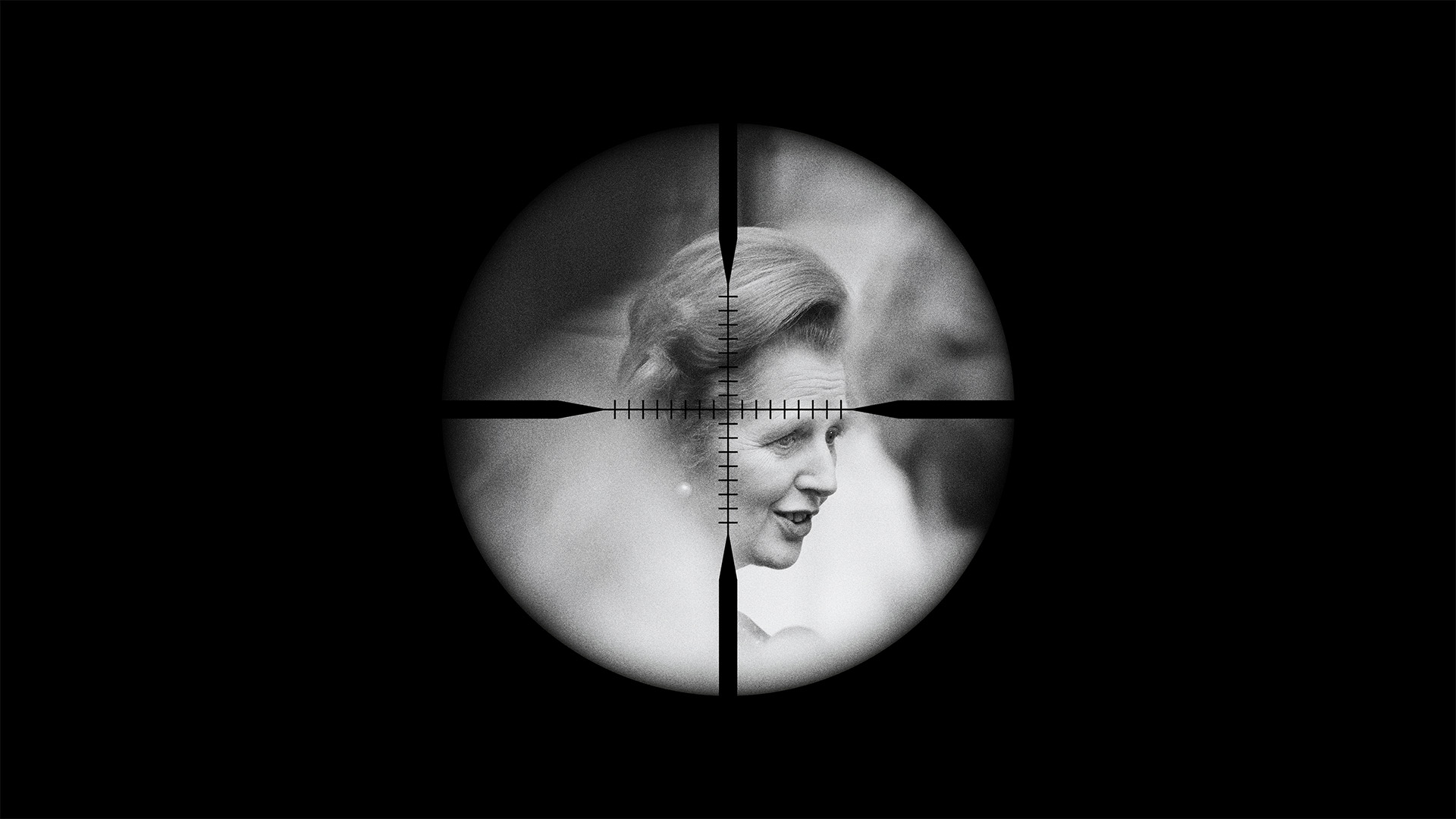
On Saturday, August 6, 1983, aspiring novelist Hilary Mantel was pottering around her flat in Windsor. Her home sat next to the hospital where Margaret Thatcher was being treated for an eye complaint, and Mantel just happened to spot the prime minister through the window, roaming the gardens. She realised her flat provided the perfect vantage point for an assassin.
“Immediately your eye measures the distance,” Mantel told the Guardian many years later. “I thought, ‘if I wasn’t me, if I was someone else, she’d be dead’.”
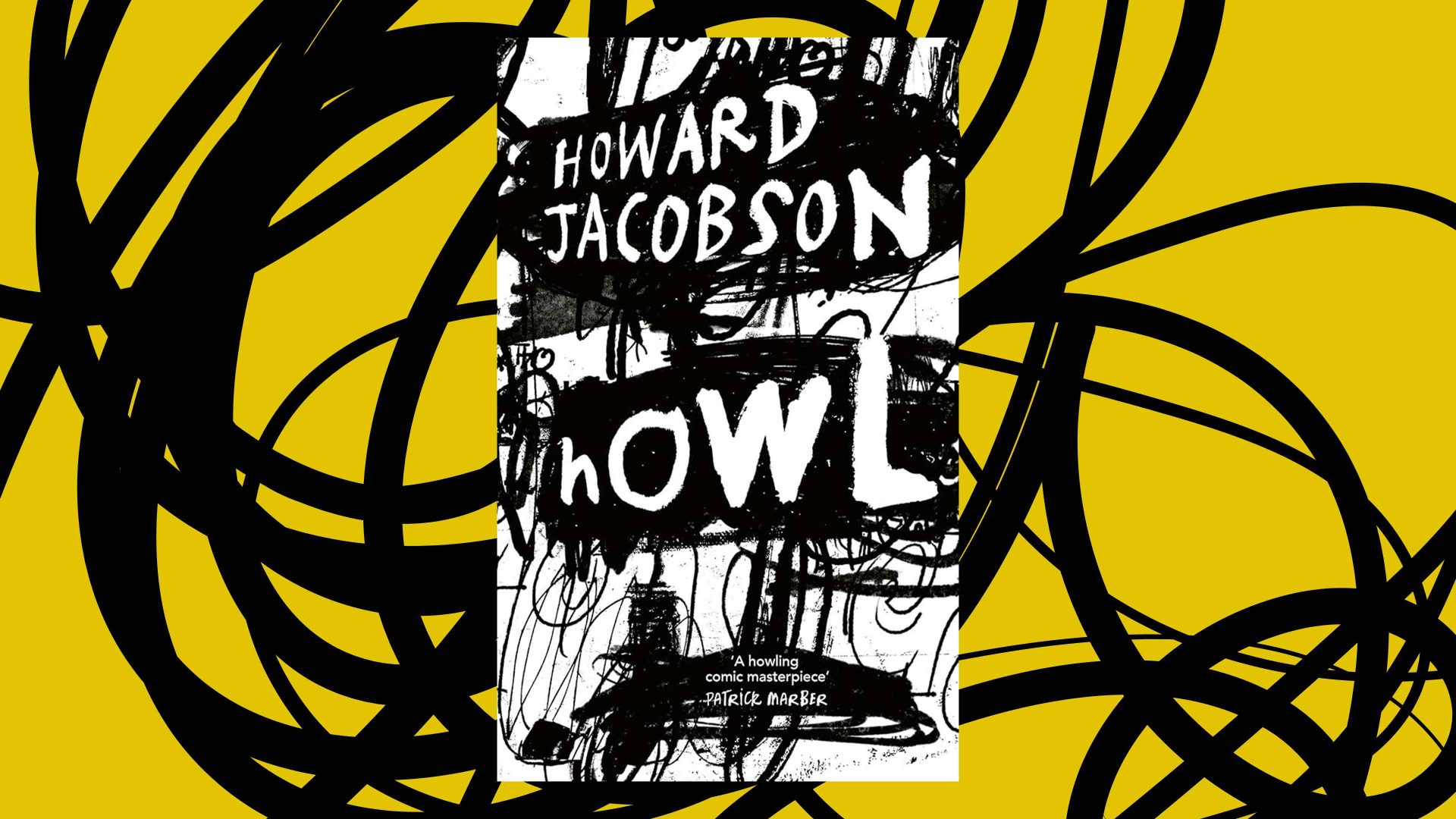
Mantel let the incident fester for 30 years. Then in 2014, shortly after Thatcher’s death, she released a short story: The Assassination of Margaret Thatcher. In it, a woman in Windsor unsuspectingly allows a would-be terrorist into her flat. Both hate Thatcher, but only one wants to see her dead.
Mantel claimed the long delay in releasing the piece came from technical difficulties rather than worries over the subject matter. “I am concerned with respect. I’m not concerned with taste,” she said at the time.
As expected, the story received a mixed reaction. The Daily Mail considered it “warped” and “a distasteful fantasy”. There were calls for a police investigation. Mantel, who always displayed a mischievous edge, watched the furore unfold, mildly amused.
“I finished reading the short story and immediately thought, this feels like a play. It just felt really theatrical.”
Suggested Reading

Why is Queen Elizabeth II still beyond criticism?
Director John Young was captivated by the story when he read it in 2014 and felt compelled to bring it to life on stage. He was just starting out. But he was now on a mission.
“I was a ballsy, had-done-nothing director,” Young tells me. “I sent Hilary Mantel’s agent an email and said, ‘I want to turn this into a play, can I meet Hilary?’ And then I had lunch with Hilary Mantel.”
“She was interested in the idea, but it was just like, ‘if I’ve got time’. And every year I’d send an email, and every year she’d say she was too busy. And so it never ended up happening.”
After Mantel’s death in 2022, Young discovered the rights to the story had been optioned elsewhere. Undeterred, Young sought out the play’s adaptor, Alexandra Wood, and convinced her that they needed to team up.
“I got a real sense of his passion for it,” Alexandra Wood explained to me. “That was enough to convince me that we would be okay working together, because we were both passionate about this thing. We come from different backgrounds, I’m middle class, he’s working class, I think that was helpful because it felt like both were represented and it wasn’t going to be too unbalanced in that way. I think we complemented each other.”
In a time of fierce political division and violence towards those in power, they were aware that they needed to tread carefully with the play’s messaging. “There was a nervousness on my part about anything that engages with political violence,” Wood says. “But certainly the play and the production in no way condones that.”
After a number of false starts, the piece was finally commissioned by Nathan Powell, creative director at Liverpool’s Everyman Theatre. “Nathan told me, we want to tell stories that feel local, but also feel bigger than Liverpool,” John explains. “I was like, ‘oh, cool, this feels like this play’.”
Mantel’s original story is quite a slender two-hander. The assassin, from Liverpool, has loyalties to the Irish Republican movement. The unnamed woman dislikes the PM, but with more ambivalence. For this adaptation, Alexandra Wood has fleshed out the characters, now named Brendan and Caroline.
Suggested Reading


What Malcolm in the Middle understands perfectly about Trump’s America
“I needed to understand their biographies a lot better, so it’s not just about the Thatcher conflict,” she says. “There are other things that feed into that. And I also needed them to be a little bit further apart on how they felt about Thatcher and about violence as a tool for political change.”
“There probably was that kind of level of feeling of desperation in Liverpool at that time,” Robbie O’Neill, who plays Brendan, tells me. “[Thatcher] was such a divisive figure. But then you can’t simply have her be a pantomime villain. It’s not really what the play’s about.”
Unlike the somewhat passive, unnamed character in Mantel’s original tale, Caroline has been turned into a far more complex, nuanced figure.
“She’s not like Brendan, where he has something he needs to fight against,” Anita Reynolds, who plays Caroline, explains. “I think she doesn’t know and that’s a lovely part of the story. That he ignites something in her. In this time, with this man, she gets a sense of him and thinks he has a future.”
Without revealing too much, Young and Wood have incorporated a mesmerising, surprising sequence into the two-hander, featuring pivotal figures from the time.
“I knew that there was going to be this middle bit where they step through the door and we go into another world,” Alexandra Wood tells me. “I think that’s partly what the play is about. Playing with your assumptions about who someone might be or what the situation might be and flipping that.”
Suggested Reading


The day David Attenborough changed my life
The production melds the claustrophobia of two characters trapped in an unnerving situation with a wildly imaginative representation of the Thatcher years and their effect on the British psyche.
“What I was really interested in was these two people from different worlds kind of smashing into each other and ultimately equalling out a little bit,” John Young tells me. “The audience know the ending, almost, because they know that this didn’t happen. So how much are we trying to play around with the concept of ‘what could have happened’?”
With Thatcher’s complicated legacy still being debated and wrangled and political violence very much in the headlines, the play asks important questions about the nature of history, the divisiveness of politics, and the decisions outwardly ordinary people make as they ponder and enact crimes that stop the world.
The Assassination of Margaret Thatcher is at the Liverpool Everyman from May 2-23. Dale Shaw produces the chart-topping You’re Booked podcast