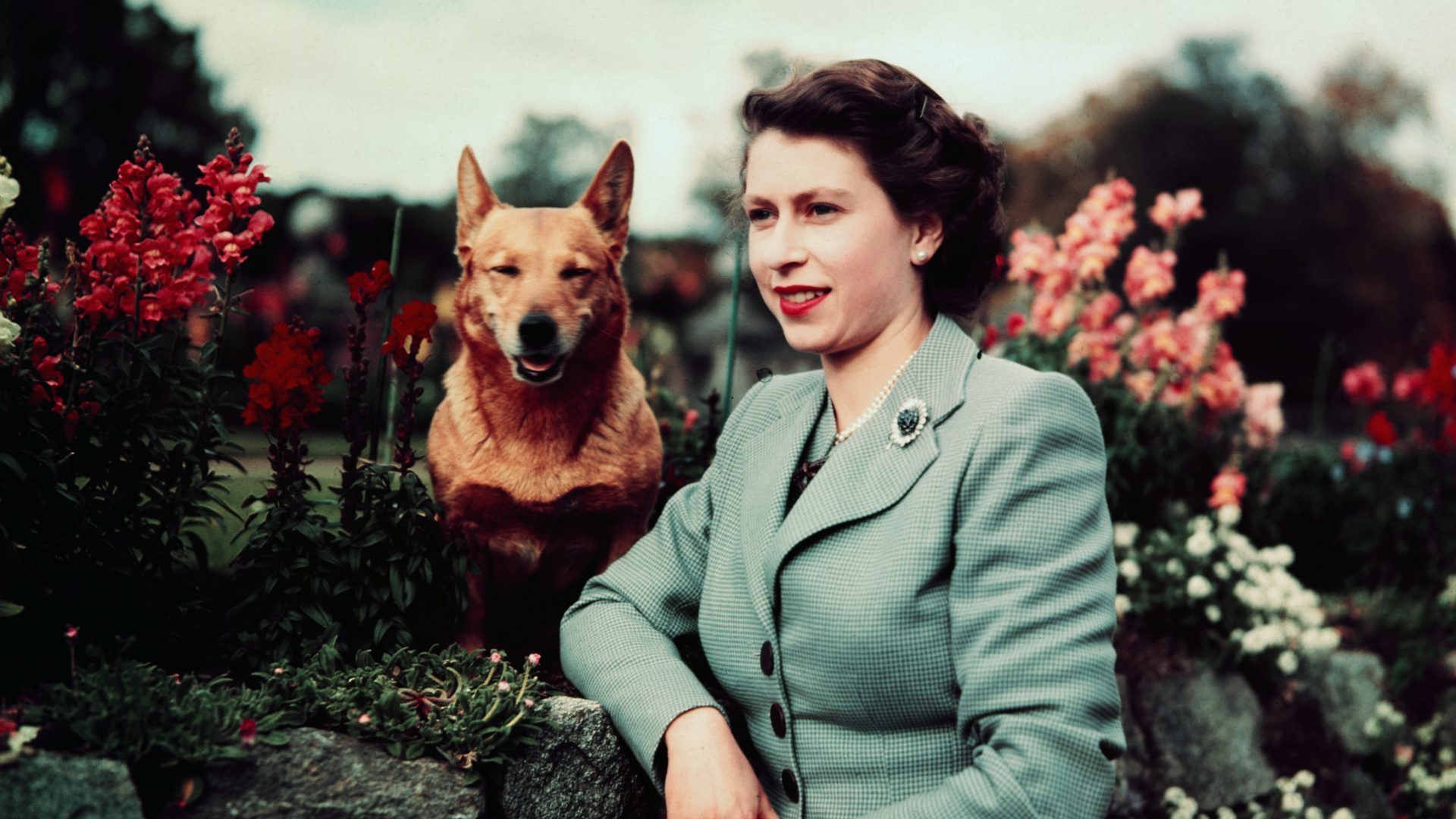
The Queen – for she is still “the Queen” as far as many Britons are concerned, even if Camilla has taken on the title – would have been 100 on April 21. A BBC documentary is therefore entirely fitting and, more than three years since her death, might have been a fine opportunity to ask what this woman got right, and what she got wrong.
Queen Elizabeth II: Her Story, Our Century is not that documentary, and it was never going to be. Too soon, certainly for the BBC. Yet occasionally among all the awe, there are hints of discernment – the beginnings, perhaps, of a critique, a glimpse of perspective.
And there are compensations. When else are you going to see Barack Obama, Queen Camilla and Tom Jones in the same programme? None of them have anything new to say, but that is really not the point.
I wondered if QE2 would steer entirely clear of Andrew Mountbatten-Windsor, but viewers would have noticed the omission, and when we reach 2021, we are informed that the Queen realised he would have to cease royal duties. He rarely appears in any of the footage and the question of exactly why this admirable lady funded his revolting lifestyle – and gave him millions to pay off Virginia Giuffre – is never touched upon.
The programme is not really a documentary at all; it is a star-studded memorial service. But like the royal family itself, services like these are an opportunity to manage one’s emotions in public.
It is still startling to realise, when you see footage of Elizabeth as a girl, how very long ago she came to the throne and how completely that world has passed away. Again and again the celebrities, especially Helen Mirren, marvel at how wonderfully she was able to master her behaviour. In her broadcasts to evacuees in 1940 and to locked-down Britain in 2020, as well as Philip’s funeral, she embodied a stoicism which Britain – so far as we can reduce this odd, messy nation to one feeling – seems to find profoundly moving.
When she did not quickly appear at times of high emotion, such as after the Aberfan disaster and Diana’s death, there was disappointment and even outrage. You begin to suspect that she loathed, above all, public displays of mourning: that the carriages and banquets and Trooping the Colour came much more naturally to her. Easier to stay at Balmoral than pretend she was devastated at the death of her daughter-in-law, who had refused to carry on playing the game and forced the heir to the throne to break protocol and divorce.
But to the crowds outside Buckingham Palace in 1997, the pretence of grief was enough. “Show us you care, ma’am” was a demand that she do the decent thing. It did not really matter whether she cared. It mattered that she seemed to, because this was the expectation Diana had placed upon the royal family.
Suggested Reading
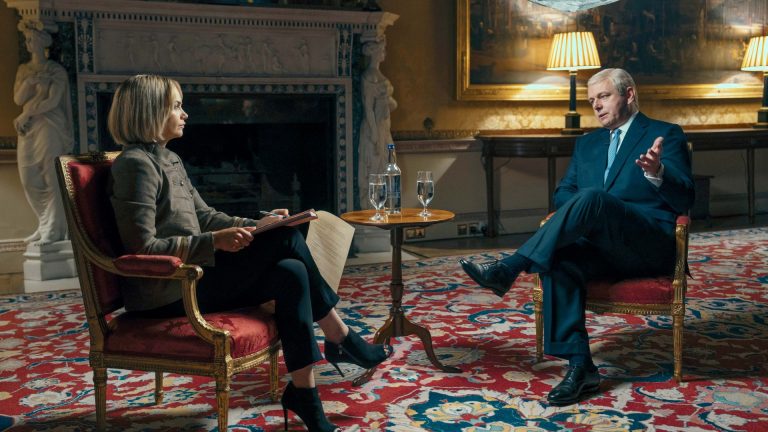

A Very Royal Scandal is not to be missed
Politics is completely excised from QE2. Prime ministers pop up in footage of long-ago banquets, and Tony Blair says respectful things. Liz Truss, who became PM very shortly before Elizabeth died, is mercifully absent. Walter Bagehot, who thought of the monarchy as the dignified part of constitutional democracy, would have approved.
It is impossible to deal properly with the loss of Britain’s colonies in a 59-minute hagiography, but unfortunately QE2 tries. It could have been difficult, the celebrities agree, but she smoothed things over wonderfully – especially when she danced with the black president of Ghana on a state visit in 1961.
As Netflix’s The Crown did a slightly better job of showing, this is an extraordinarily blasé take on her relationship with the former colonies. It is as though a historian relied entirely on cheery Pathé newsreel footage for their research. This is what she would have wanted, but it is less than her subjects deserve.
What we do properly appreciate is that Elizabeth reigned in the age of mass media and struggled with varying degrees of success to manipulate it. First came the radio broadcasts, the coronation, the Christmas addresses, the 1969 behind-the-scenes documentary with Prince Philip barbecuing sausages. Then the tabloids feasted off Diana and, her sons believe, ultimately killed her.
What will become of the monarchy now that age is drawing to a close? How many people will even watch the memorial that the BBC has so carefully and reverently put together? It will certainly be millions fewer than a decade ago; fewer, maybe, than have seen The Crown.
Charles’ reign will be too short to transform the institution. And the vacancy remains. Can any man invoke the elegant stoicism that Britons have come to demand from their monarch? Have we had enough of kings?
Queen Elizabeth II: Her Story, Our Century is on BBC iPlayer