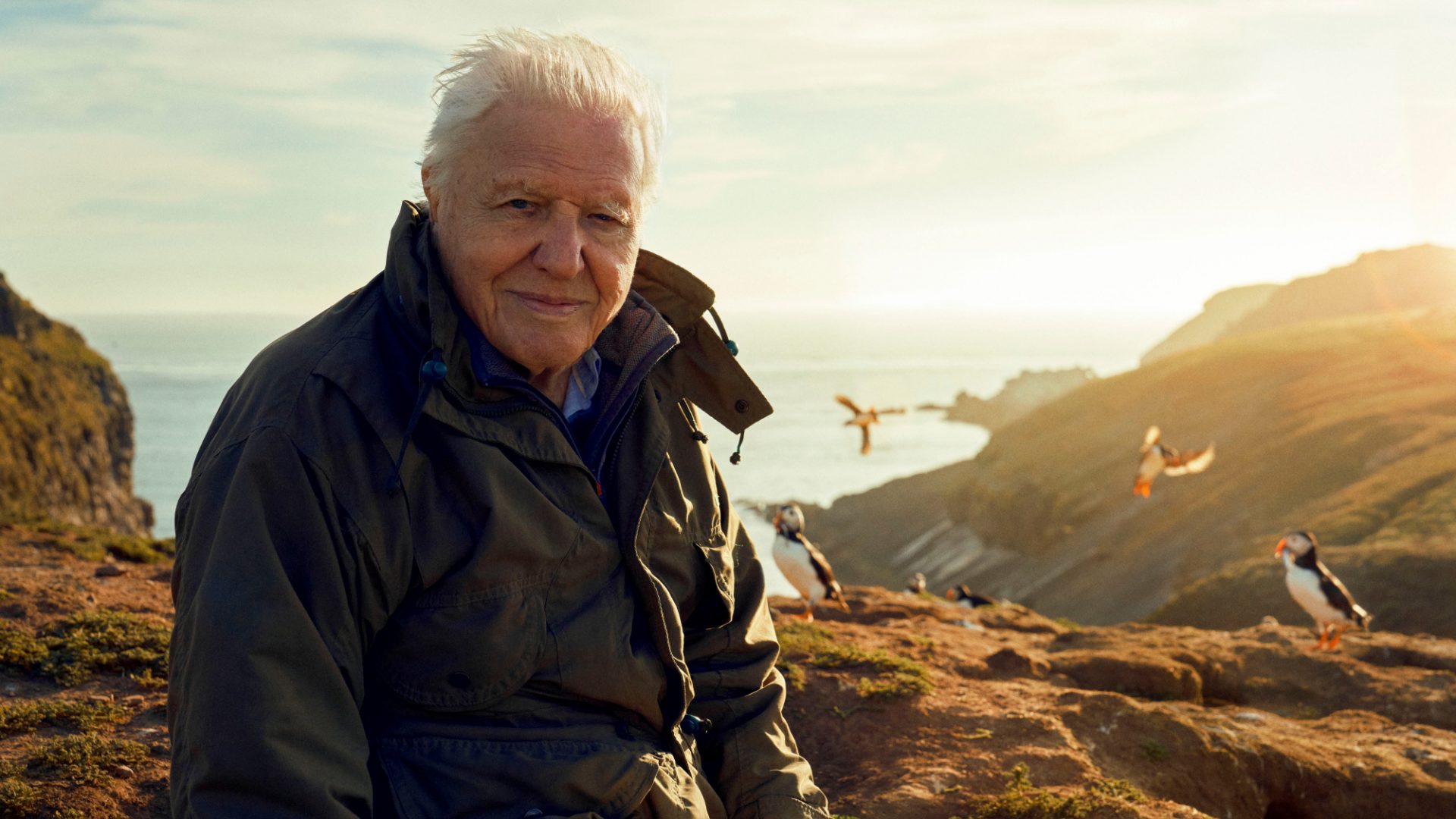
The book was my school prize in 1962, and I’ve just put it on my desk. The bookplate says it was awarded for “attainment and good work in English”, meaning that I got to a half-decent big-boys school despite being virtually innumerate. I chose it myself: Zoo Quest for a Dragon by David Attenborough.
So happy birthday, David: 100 years old on May 8: and 100 million thanks for being the greatest teacher of my life. I watched those early black and white Zoo Quest programmes enthralled: Paradise birds, Paraguay, and especially Madagascar. I still remember the joy and wonder when he finally managed to track down the indri, the night-singing lemur of the Malagasy forests.
My father also worked for the BBC and he got him to sign the book for me, transforming it from a fine thing to a treasured possession. David – for we were on Christian name terms back then, even though it would be 40 years before we actually met – went to Komodo in Indonesia to find these 10ft-long monitor lizards that became the alpha predators of an island no one had heard of back then. They were called dragons: they seemed to me more like dinosaurs.
David didn’t inspire my love of nature: I was born with it, like everyone else. Rather, he justified it, organised it and expanded it. Nature wasn’t just for misfits and cissies, even if I was both: nature was simply the most fascinating thing in the world. Nor was it a nice hobby for a growing boy: it was the central concern of all humanity. David made all that quite clear.
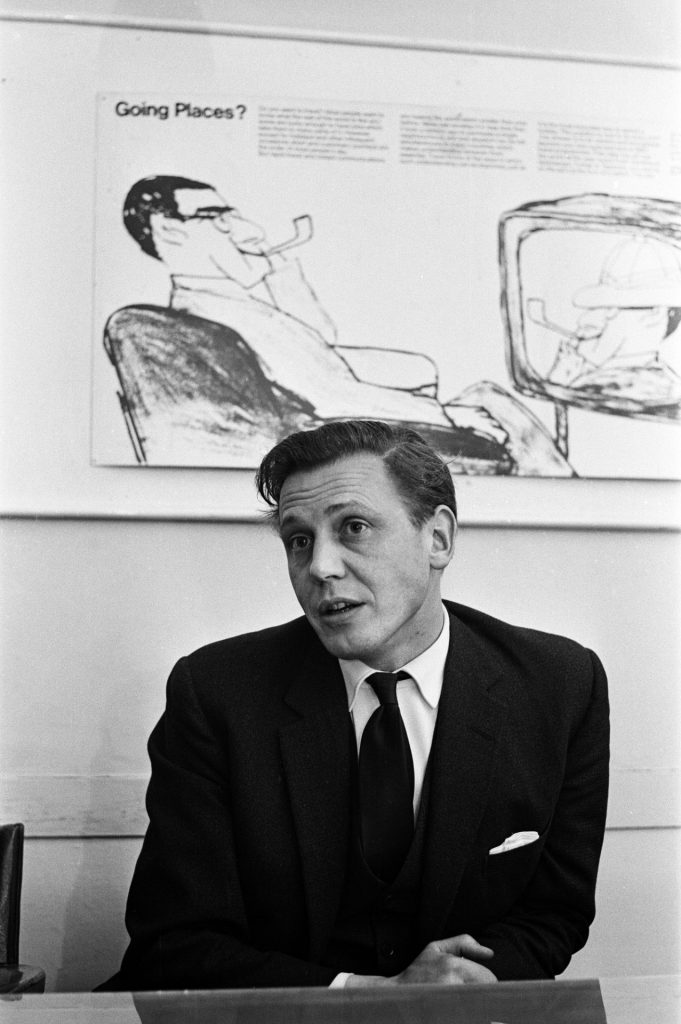
After a long series of fine lessons about nature, David became controller of BBC2. I thought he had abandoned me, but I was wrong. He gave me music.
Among many daringly innovative programmes, he commissioned a short series that showed the rehearsal and the entire live performance of the Monteverdi Vespers of 1610. I hadn’t known such music existed, still less that I would love it.
My father got the records from the BBC library and I realised that The Shadows were not, after all, the greatest exponents of music in the history of the world. After that I went every week to Streatham Gramophone Library in search of more, coming home with Beethoven, Scarlatti, Mozart, Stravinsky, Brahms – and always and especially Bach.
Years later, discussing music with David, I asked him what he would have if he was allowed only one piece of music for the rest of his life. The Goldberg Variations, he said. Bach’s ultimate achievement. Well, me too.
A funny thing happened to me in my teens and my 20s. I still can’t really understand it, but nature became less important. Perhaps I was taking part in a prolonged and ultimately doomed attempt to fit in. But I missed it dreadfully. Life is so dull without nature.
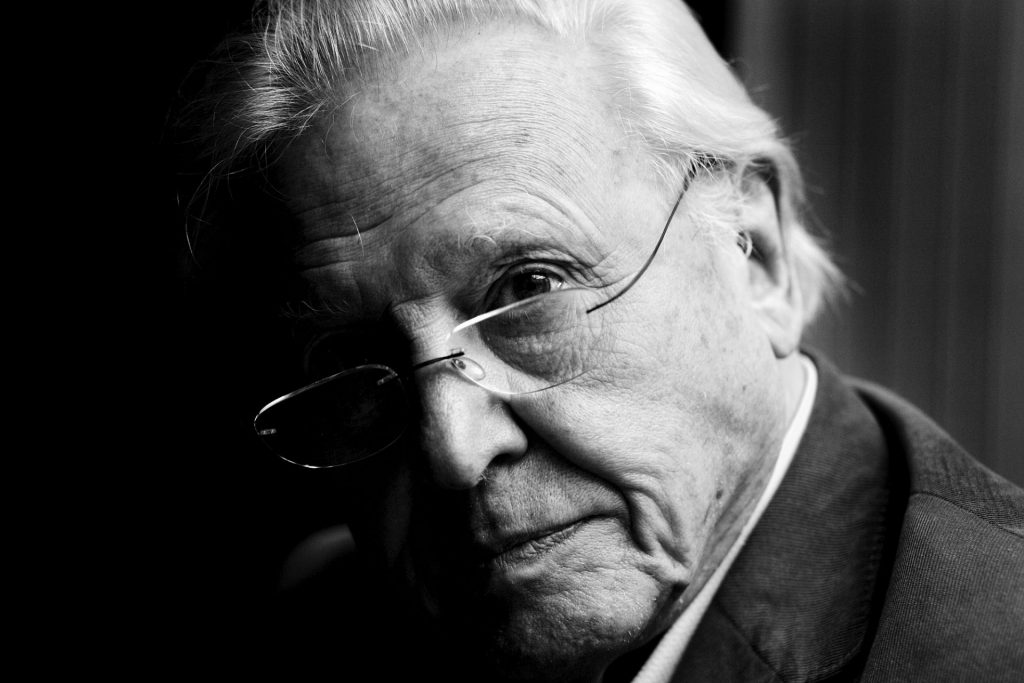
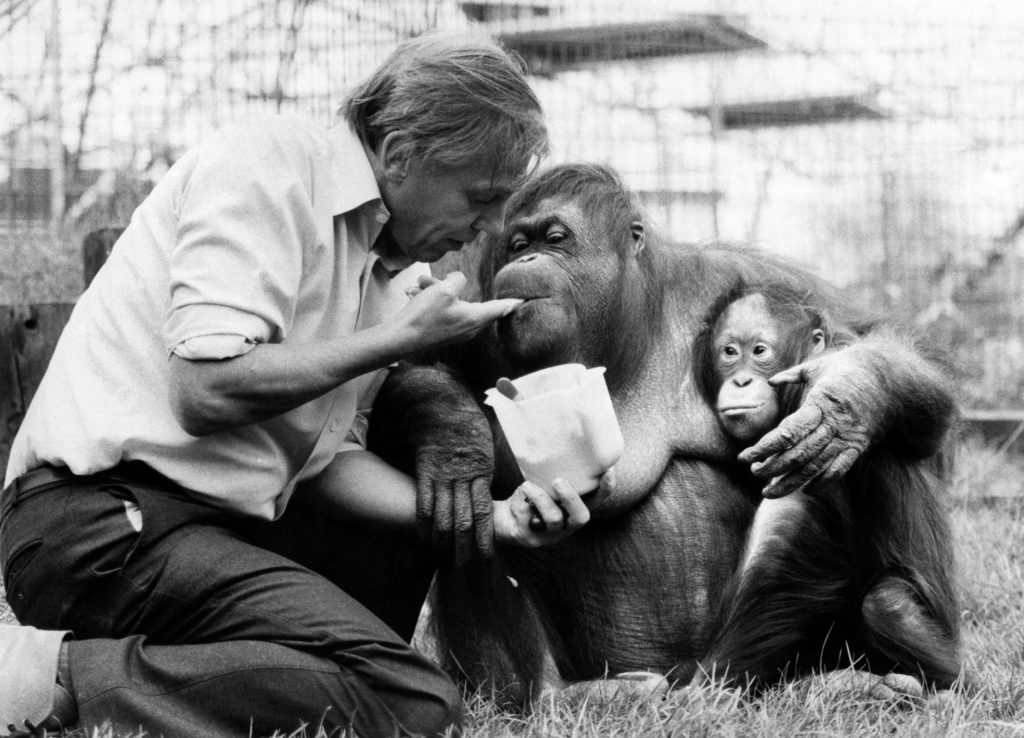
David still sent me periodic reminders. I’ve always treasured a documentary broadcast in 1973 in the series Eastwards with Attenborough: when he explored the ecosystem of a cave in Borneo. It was a vivid and extraordinary revelation of the way different species operate together in the same environment: the basic mechanism of life.
It inspired my set-piece Attenborough imitation: “I… am now standing… on the biggest heap of shit in the entirety of the known world – and it is teeming with life.” The heap in question had been built by bats, millions of bats, over countless millennia: the nutrition they brought into the cave made life possible for a complex web of interdependent species.
I lived with a passionate nostalgia for nature: knowing that my life was incomplete but never quite knowing why. But then, just as I was turning 30, when I was living in Asia, I found myself caught in a Damascene pincer movement.
One half of this was the wildlife I saw on a trip to Sri Lanka. The other half was David.
Inevitably. Hong Kong television took the inspired decision to show David’s superb series of 1980, Life on Earth, without advertisements. I watched all 13 parts at a friend’s house and it was as if I had never been away. Here was nature: once again a detonation of glory – and now an intellectual challenge as well.
The series was about evolution, using modern, living creatures to tell a tale that began with the stubby algal pillars called stromatolites and ended with David’s notorious romp with the gorillas. It was a revelation of the structure, narrative and meaning of nature – a story told by a master at the very peak of his powers.
It was followed by a series about ecology, The Living Planet, and then another about ethology or the science of animal behaviour, The Trials of Life. This – The Life Trilogy – is David’s masterwork.
And I was a naturalist once again, learning field skills and reading anything that expanded my understanding of the trio of sciences David had revealed to me. It was the most natural development when I started writing about nature. I began a column for the RSPB magazine, and I’m still at it.
I wrote my first wildlife book, Flying in the Face of Nature, which was published 1991. I started writing a weekly column in the Times about birds.
I moved to the country. I wrote more books about nature. I met my new neighbour, John Burton, and we started a conversation about wildlife (and a million other topics) that lasted until his death in 2022.
John was co-founder of the wildlife conservation charity World Land Trust. The organisation finances land purchase by utterly transparent, highly motivated, cash-strapped organisations in the developing world. John invited me to become a council member, and I did a dozen years. The patron of the World Land Trust is David Attenborough.
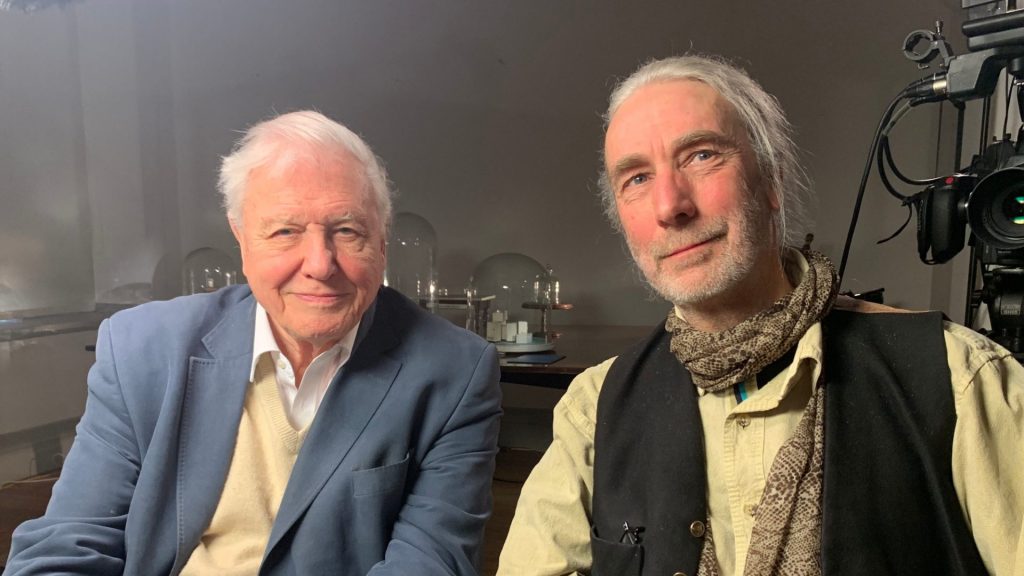
I first met him at a WLT gathering in the gloriously appropriate setting of the two-storey library of the Linnean Society in Burlington House, Piccadilly. I had a bottle in my hand, he a glass. We drank and we talked, and in a matter of seconds, it was like talking to an old friend: after all, I had known him for more than 40 years.
What’s he like? You already know. What you see on the screen is the real David.
We shared a platform several times in fundraising gigs for World Land Trust, I did several interviews with him for various newspapers for the same cause, and there were times when we just talked, sometimes in a group, sometimes one-on-one, and he was the best company.
I went to a WLT do in a pub near Kew Gardens called The Botanist. Now there are all kinds of public honours that people can receive – OBE, knighthood, life peerage – but I have a higher honour than any of these, for I once bought David Attenborough a pint.
He told me about the time when, in a lightning break from filming in Morocco, he bought a fossil of “trilobite jig-a-jig”: copulating trilobites, no less. He later discovered they’d been superglued together.
He also told me about that time in the Borneo bat-cave, when he delivered a piece to camera from the summit of that heap of shit. “I spoke about their marvellous sonar and how it makes them impeccable navigators in the pitch-black. Then they turned the lights out – and a bat flew straight into my face.”
One remark lays bare the secret of Attenborough’s brilliance. “You and I know,” he said, more than generously including me as a wildlife colleague, “that we don’t matter a jot. What matters is what we’re pointing at.”
Hear hear. It’s not Attenborough who is the star, it’s Darwin’s frog, it’s the gorillas, it’s the stromatolites, it’s the bats that give so generously of themselves in the Gomantong Caves. That’s why David is great: because he’s not interested in his own greatness. He’s interested in the wrinkle-lipped freetail bats of Borneo.
There was a time when I refused to do a gig with David. No, no, I said. Anything but that. Look, I’ll open the show cold if you like. But I’m not going to stand up before an audience and tell them about the importance of wildlife conservation – not if it means following David Attenborough.
Suggested Reading

Have the Greens really forgotten about the environment?
But they were adamant, and of course I caved in. So I had to think about what I was going to say. It was then I realised that I’d been following David Attenborough all my life. What’s more, the world would be a better place – richer, happier and with a much healthier – and for that matter, longer future – if the entire world was to follow David Attenborough.
Perhaps future historians, if there are any, will look back at David’s life in another hundred years and say: “Well, we had our chance. That man showed us the way. I wonder why we blew it.”
But birthdays should be a time for optimism: so happy birthday again, David. Thanks from me – and thanks on behalf of everything else that lives on the planet. I’ll raise a birthday glass to you: “To life!”
Simon Barnes’s books include Spring Is the Only Season (Bloomsbury, 2025)