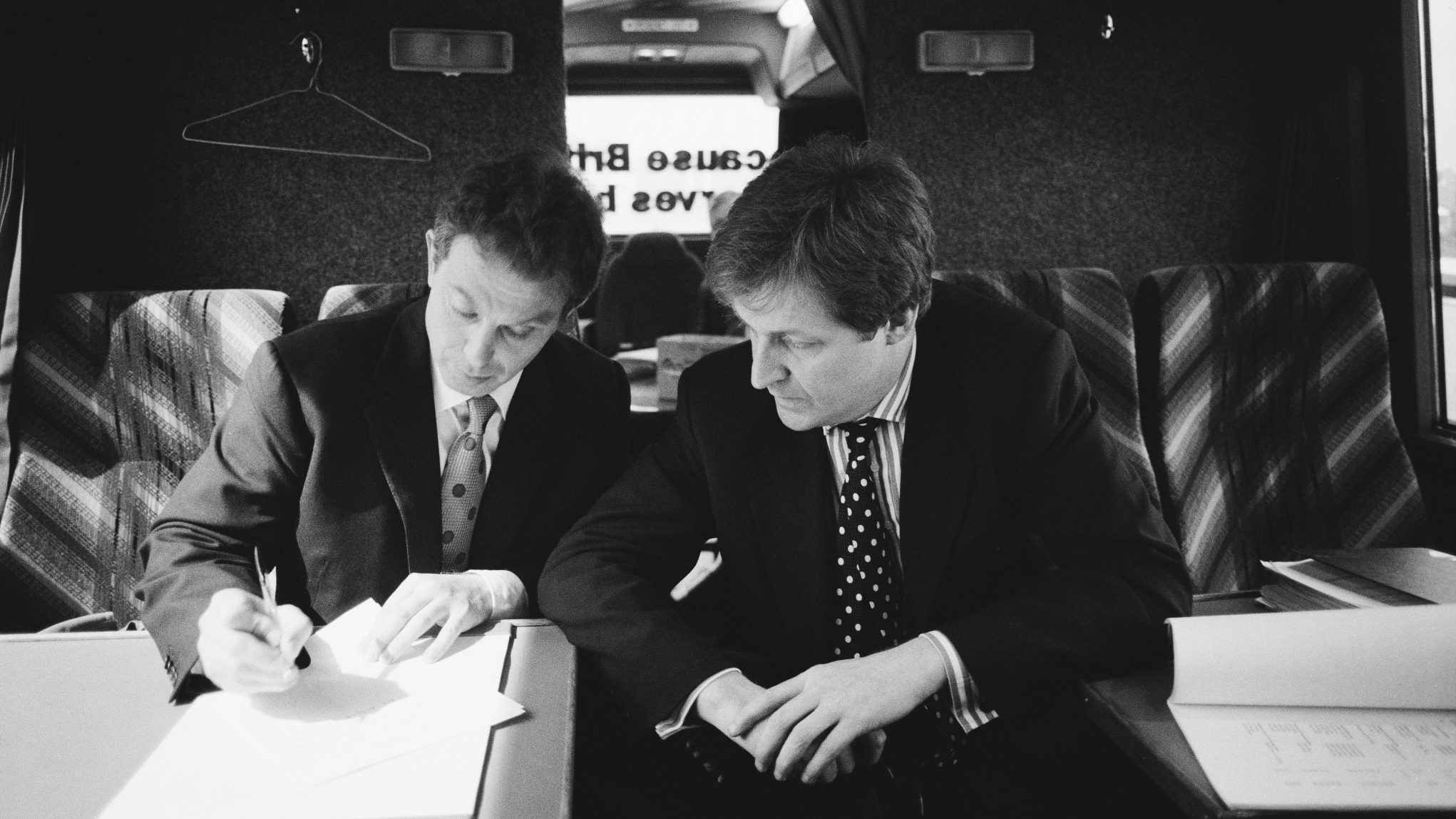
The moniker most commonly attached to me during my years in active political and government service was “spin doctor”. The main aim of those who used it against me was to suggest there was something wrong or inauthentic, or, worse, fundamentally dishonest, about any effort made to communicate on behalf of the party and the government I served.
I can’t pretend I liked the term much, because it was largely intended as an insult. “Spin” became something of a catch-all term of abuse for anything we tried to do to convey to the public our version of what we were all about.
I got a hell of a lot of bad press for doing the job the way I did it, but it didn’t bother me. My job was not to get good press for myself, but to help Labour get elected, then help the prime minister and the government deliver on their policy agenda.
So let me explain some ingredients of a persevilient mindset, the attitudes you have to hold when it comes to the battlefield that is communications v media in the modern age.
These are some of the mantras I worked by during my time in political comms:
“They call it spin. Because they want to set the agenda, not us. They don’t want us to communicate on our terms. So let’s make sure we do exactly that.”
“The media can bring you down. But only if you let them, by being bad at what you do or doing things you shouldn’t be doing anyway.”
Suggested Reading

EXCLUSIVE EXTRACT: The power of talking to dead people
“Every attack anyone makes upon us provides an opportunity to respond. If it matters, take it.”
“For every major setback, devise a decent plan to turn it into an opportunity.”
“Things are rarely as bad as your enemies say, and they’re rarely as good as your friends say.”
“It is amazing how much bad press you can take if you believe in what you’re doing and understand why they’re going for you.”
In all of these, the spin is not an attempt to deceive, mislead or misrepresent. It is a determination to turn – ie, spin – the situation around to your own advantage, not that of those trying to do you down.
The last of these insights, about how much bad press you can take, is important, because too many people in public life confuse media opinion with public opinion – they get a bit of bad press or a social media pile-on and it destroys their confidence and their capability.
You have to learn to keep perspective; not ignore criticism, because sometimes the critics will be right and you can learn from them; but keep it in perspective, and keep going. The more you’re attacked, the more opportunities you have to show it won’t break you. Once you get through the initial pain barrier, you really can use this to your advantage, and wonderful things can happen.
Like the time my daughter Grace came home from school and told me that her friends were saying that Armando Iannucci’s TV satire on a Downing Street spin doctor, the sweary, borderline psychotic control freak Malcolm Tucker, was based on me. “Is it?” she asked.
I couldn’t work out from the expression on her young face whether she found the suggestion that I was the inspiration for The Thick of It worrying or exciting. She broke the silence. “Please say yes.”
Now in her 30s, she is a comedian, and she too has turned to her advantage the pressures of life growing up with a father who doubled as a hate figure in the right wing press, by making people laugh about it.
Here’s another example of persevilience seeing off the allegations of spin, lying, bullying and all the rest that was thrown at me relentlessly at times. As part of the rather weird and varied life I lead now, I regularly get asked to speak to companies and conferences about reputational management.
You would probably be quite shocked by the sort of money that is offered for this kind of thing. Former US vice president Al Gore calls the public speaking circuit “white collar crime”, and he’s not far wrong. (Top-rate tax paid on all of it, by the way – no personal services company for me!)
Suggested Reading
My truly deranged encounter with Trump apologist Kellyanne Conway
But here’s the thing. To pay out the big bucks, they need to know they are going to get someone worth hearing. So why are they asking me? Because they must think I have a good reputation. Agreed?
So sometimes, to warm up an audience, I will start off with something like this: “First, I would like to thank the Daily Mail and all the other media outlets that have devoted thousands of articles down the years to seek to persuade their readers I am a truly terrible person doing terrible, terrible things. Because, let’s admit it, were it not for the reputation they tried to create for me, you would barely have heard of me.
“And because I have – perseviliently – more than survived all they could throw at me, you want to pay me lots of money to tell you how to look after your own reputation because you think I have looked after my own quite well. So thank you to you, and thank you to them.”
If this approach is going down well, I might throw in the line that my fees have gone up since I completed the morph from alleged war criminal (which I still get called every day on social media, adding to the water that can flow off a duck’s back) to national treasure presenting the UK’s number one podcast. This is persevilient spin, macro level.