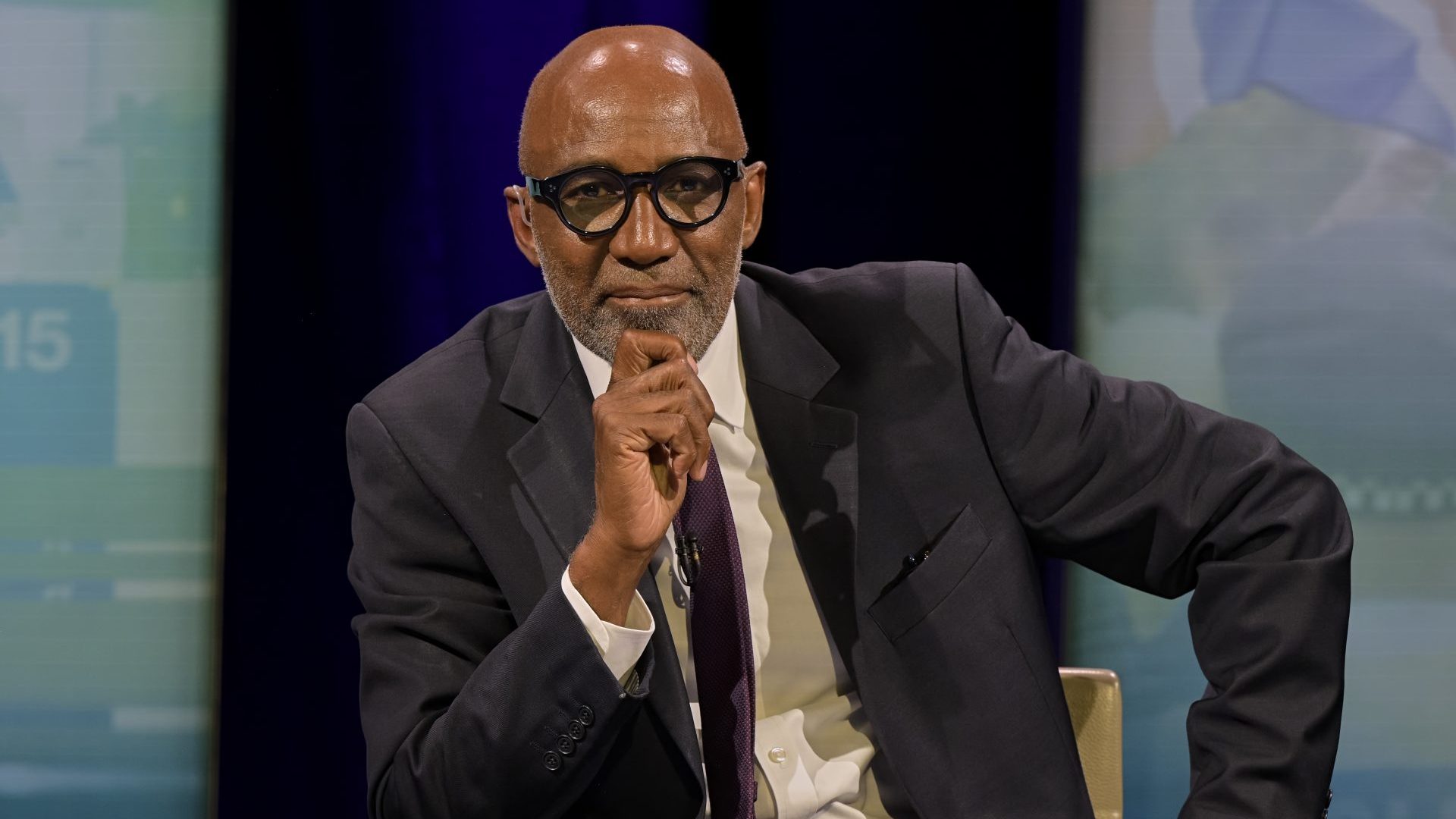
Keen to downplay revelations about Nigel Farage’s schoolyard racism, the Times yesterday deployed columnist Trevor Phillips to defend the Reform leader, drawing a non-sequitur comparison with the tragic murder of 10-year-old Sara Sharif and using the line “nobody actually died at Dulwich College”.
While the views were predictable, Phillips was also a little careless with the facts. Referring to the Guardian’s claim that Farage had taken issue with the number of boys named Patel being higher than Smiths at the school, Phillips wrote: “There are tiny details which make one wonder about the soundness of these memories.
“Is it really plausible, as one claimed, that there were more boys called Patel than were called Smith at the fee-paying Dulwich College in 1976? Most of the Gujaratis who carry the name will have arrived from east Africa in the early 1970s with virtually nothing.
“It would be at least a couple of decades before these families acquitted the wealth that now makes them a fixture in public schools.”
Suggested Reading
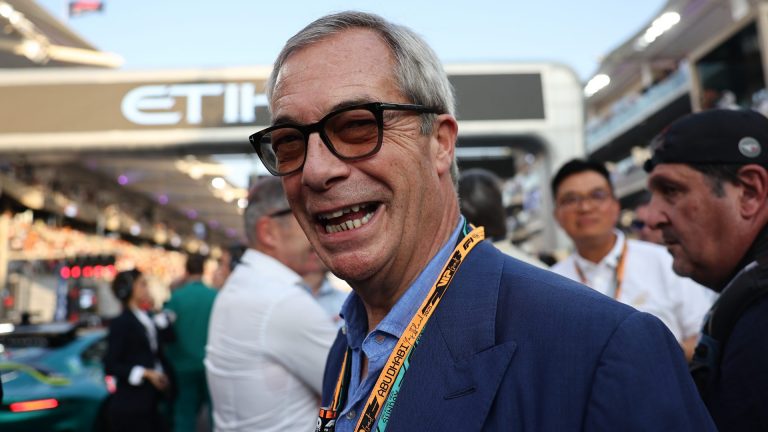

Embattled Farage heads for a land down under
Which is a fair argument, had the Guardian ever said there were more boys called Patel than were called Smith at the fee-paying Dulwich College in 1976, which it didn’t. The report referred specifically to 1980, when the school roll for the Michaelmas term, widely shared online, shows that there were 12 Smiths and 13 Patels at the school.
It also ignores the fact that many boys at the school at the time would have been there on local authority-sponsored free places, so didn’t require the wealth Phillips writes of. During the 1940s, the college began a scheme called ‘the Dulwich Experiment’ in which the school fees of children from poor backgrounds were met by the local council.
Indeed, Farage’s own 2015 memoir, The Purple Revolution, tells how “the social mix was quite extraordinary. There were boys like me – white, middle-class, whose fathers worked in the City – but there was also a huge number of boys who had won scholarships and bursaries covered by the local authorities.”
Phillips’s defence of Farage comes just a few months after he attended Tommy Robinson’s far right march on London and concluded it was just a lovely day out. Despite several arrests and deeply offensive chanting, Phillips told Radio 4 listeners how “a lot of the reporting about how, you know, there was violence and so on and so forth – that was really marginal… for most people – I must have had a dozen conversations in the afternoon/evening – that wasn’t what it was really about. This had more of the feeling of an afternoon football crowd coming away from the match.”
Just the man to adjudicate on whether Farage is a racist, then!
 Most popular
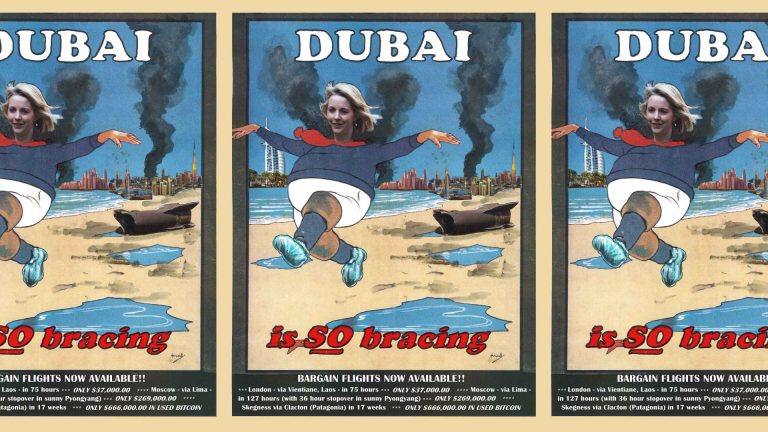
The bombs and the bombshell: At home in Dubai with Isabel Oakeshott

It’s official: Reform has slumped in the polls

Pedro Sánchez is outclassing Trump with the president’s own tactics

Brits living in Dubai – sorry, but you’re awful