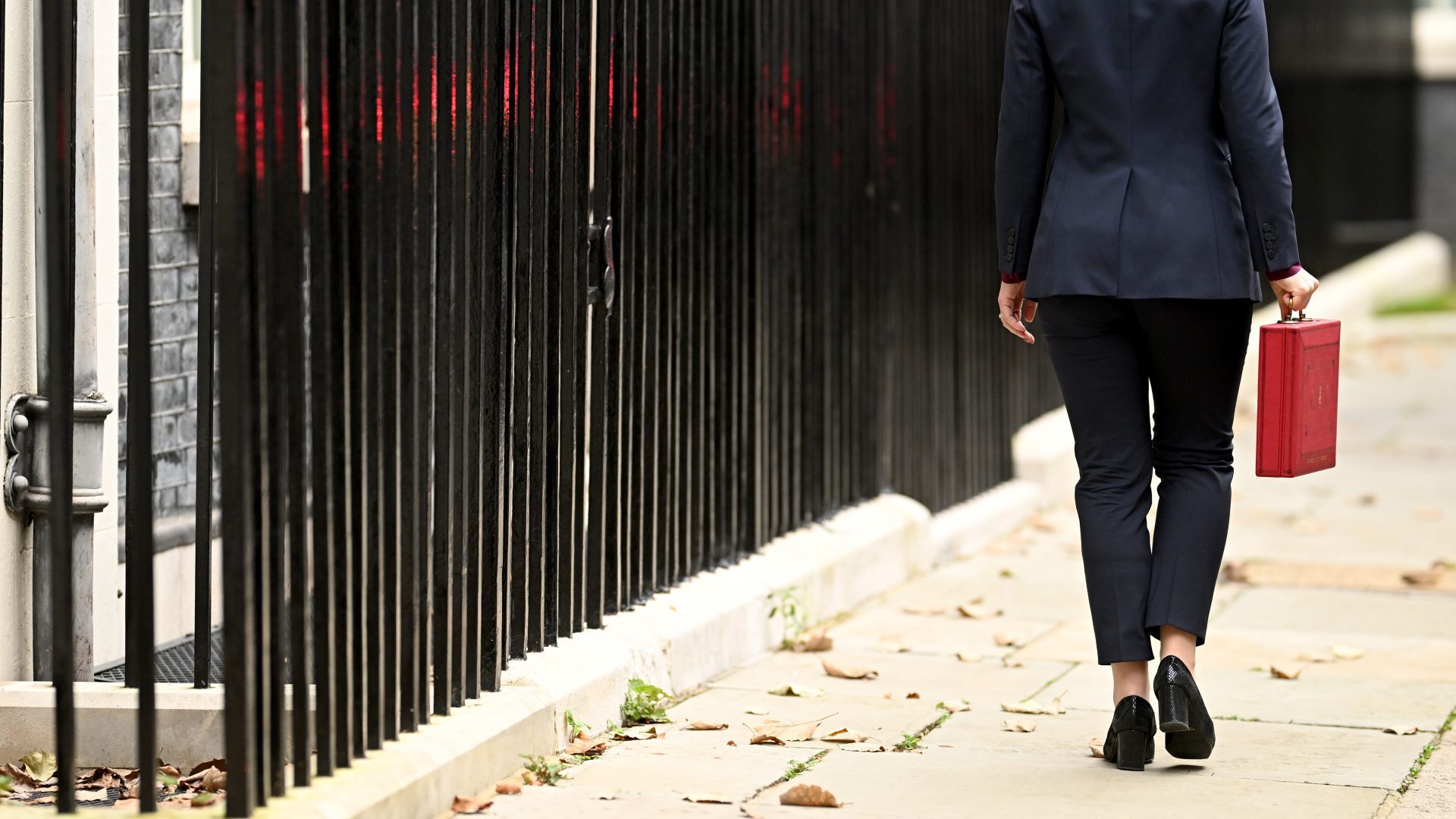
“Reeves’s leaky budget has already trashed the economy,” parped the Telegraph on the morning of Budget day. Under that stern warning, there then came a telling off: “Leaks and kite-flying have fuelled business uncertainty and anxiety, dampening growth”.
The consequence of Labour’s bungled economic planning, the Telegraph thundered, were “decimated confidence, delayed hiring, investment and spending – and harmful knee-jerk reactions”.
Even worse, “relentless rumours of property tax rises have also hit the housing market, spooking buyers already cautious amid high interest rates and a recent stamp duty increase.”
While it is true that Reeves’s handling of the Budget run-up has been mis-managed, it’s not the only example of out-and-out budget bungling we have seen in recent years.
The most stunning Budget fail in recent history came in September 2022, back when Liz Truss was – unbelievable as it may now seem – the prime minister. Her notorious “mini-Budget”, delivered by the then-chancellor Kwasi Kwarteng, achieved the almost unthinkable clean sweep of crashing the bond market, the pound, the mortgage market, the pensions industry and ultimately Truss’s own political career.
It was about the most devastating catastrophe in British budgetary history. And yet, there was one voice that came out in support. “This was the best Budget I have ever heard a British Chancellor deliver, by a massive margin,” the crazed enthusiast declared.
Suggested Reading

The radical budget Reeves should deliver
“It wasn’t merely the policies that were astonishingly good,” the glowing analysis continued, “just as remarkable was Kwarteng’s language, the arguments he deployed to explain his decisions, the lucid free-market philosophy from which they emanated.”
“At a stroke of a pen, Britain’s competitiveness, its attractiveness to investors and top talent, has been transformed. Money and jobs will flow in, especially from the Eurozone.”
And who was it that published this gushing tribute, just as Britain’s economy was going down the tubes? Why, the Telegraph, of course, straight from the pen of Allister Heath, editor of the Sunday edition.
When it comes to Budget analysis on the day of the chancellor’s speech, it’s probably best to back away from the Telegraph, and look elsewhere.
 Most popular

‘Operation Epic Fury – as it happened’
Is Star Wars dead?

Morrissey returns.. and heaven knows he’s mythical now


Iran War: Trump has now sealed his own fate