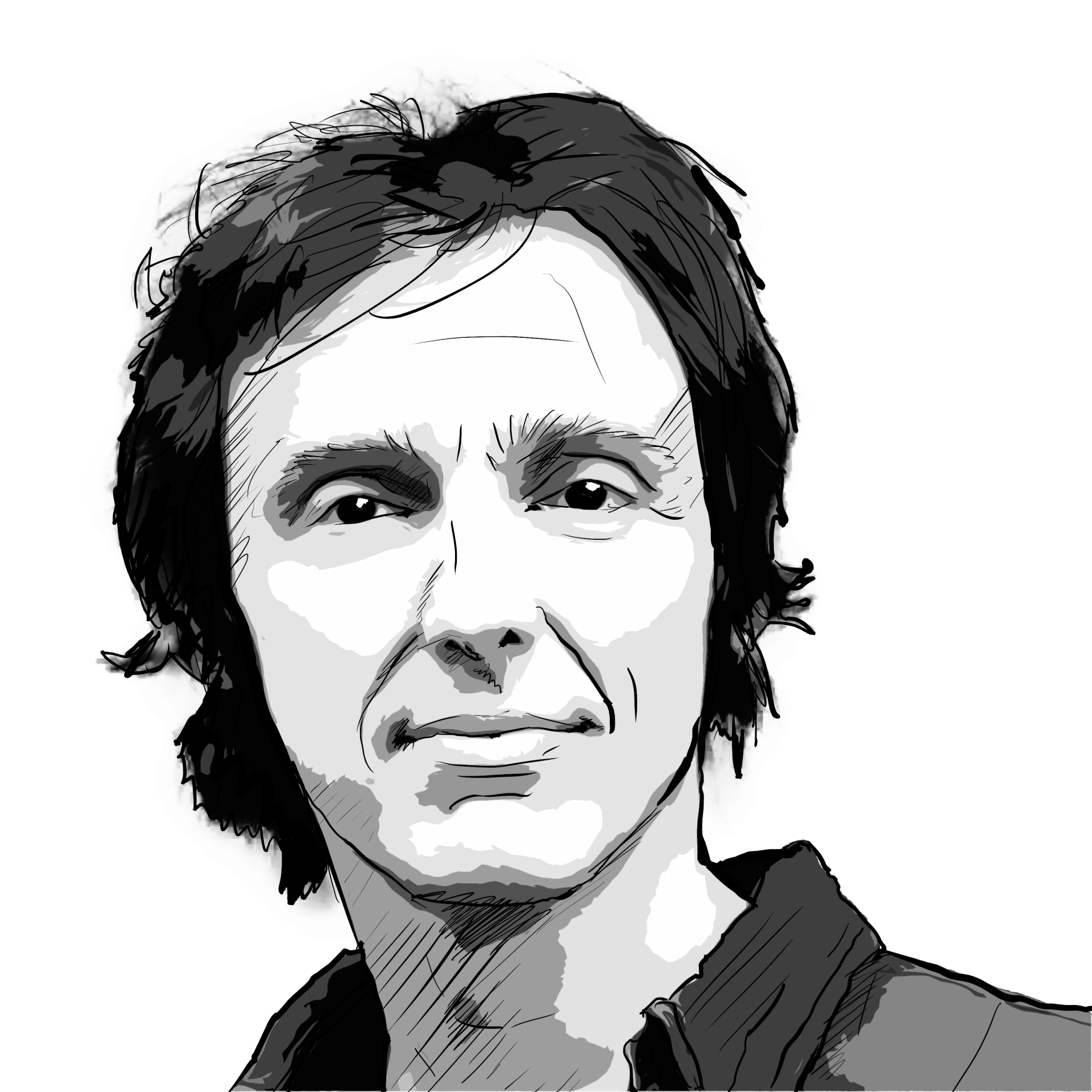
One year ago, the cognitive scientist Margaret Boden died at the age of 88. An academic at the University of Sussex throughout her career, Boden is impossible to pigeonhole. She made groundbreaking contributions to the philosophy of mind, to psychology, computer science, and artificial intelligence.
As a founder of the School of Cognitive and Computing Sciences (COGS) at Sussex in 1987, Boden recognised well ahead of the event that research on AI – then a speculative topic of uncertain value – needed to embrace what was known about the function and the philosophy of the human mind.
Her colleague and co-founder of COGS, Aaron Sloman, argued in 1984 that we needed to take a broader view of the concept of mind, that included also work on the cognition of other animals and organisms of all kinds, situating them in a “space of possible minds”. Boden’s immense and magisterial two-volume book Mind as Machine (2006), a history of cognitive science, anticipates much of the discourse around AI today.
A symposium held on the Sussex campus in memory of Boden this July provided a fitting tribute. It was the precursor to a two-day meeting on the philosophy, science and ethics of AI, itself an event that has been running since 1964.
But one can’t help wondering if Boden would be dismayed at the level of public discourse around AI today, in which company CEOs and even alleged scientific experts are prepared casually to claim (or hint) that the machines have become conscious – as Nobel laureate Geoffrey Hinton asserted, with the flimsiest of reasoning, in an interview in June.
It was a claim strongly disputed by one of the keynote speakers at the Sussex conference, neuroscientist Anil Seth, who argued that there is a powerful commercial incentive to “make AI look like magic”.
Suggested Reading
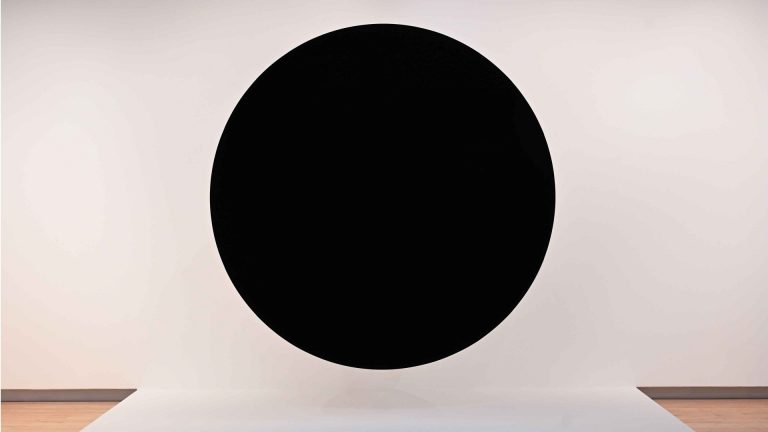
Anish Kapoor’s dark matter
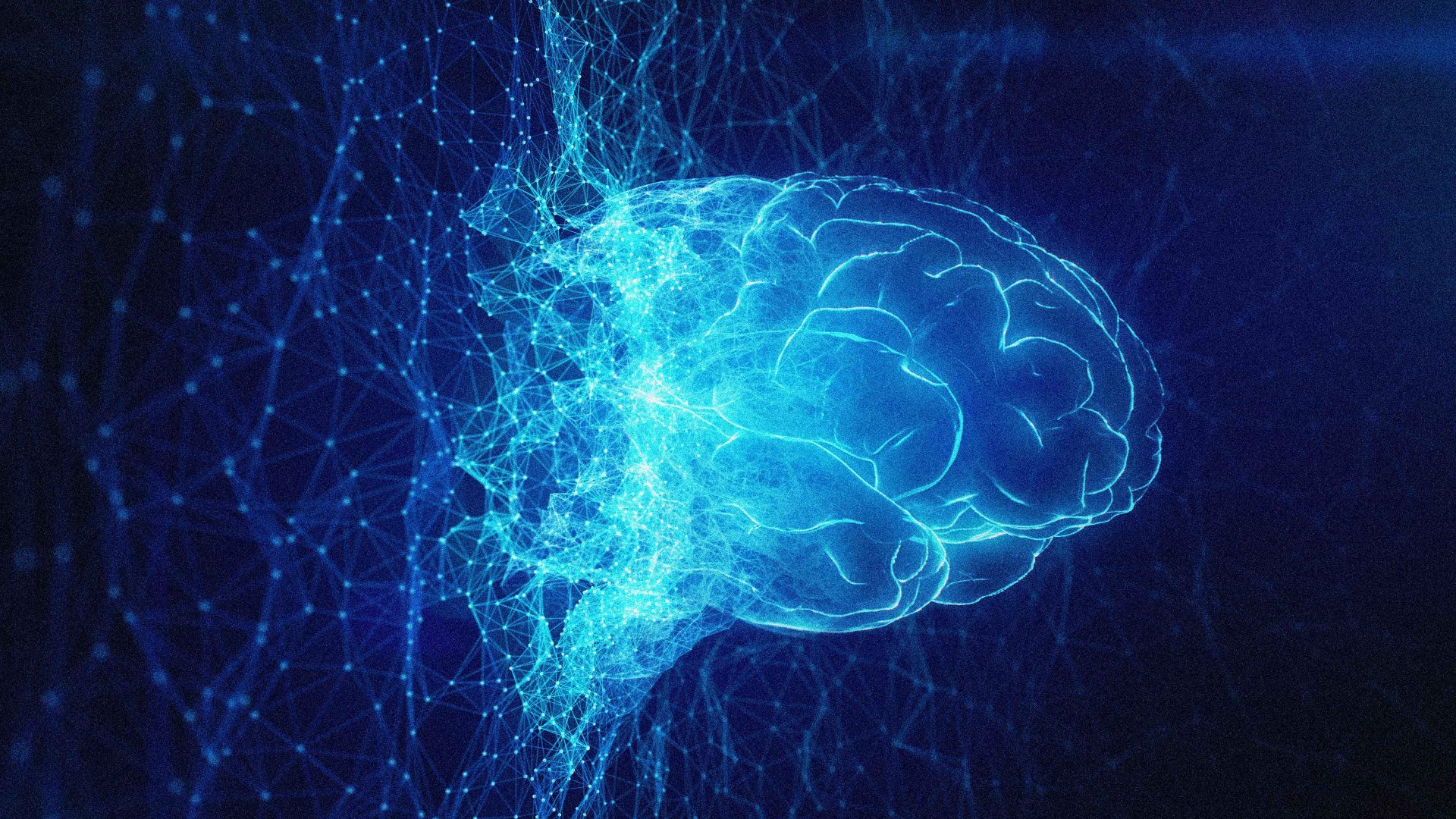
Seth set out to challenge the underlying assumption: the philosophical position called functionalism, which says that mind is a property of the “functional organisation” of the brain. In short, this view holds that it doesn’t matter that the brain is made of wet, sloshy stuff while computer circuits are engraved into hard, crystalline silicon.
What matters is the formal logic and architecture of how the components, whether neurons or transistors, interact with one another. If the brain is really just a kind of computer, and if we can reproduce its logic-processing structure in silicon, there’s no reason to suppose the corresponding machine could not become conscious.
Seth argues that, on the contrary, the physical stuff of the brain matters: “Brains seem to be the kind of thing for which it is hard and perhaps impossible to separate what they do from what they are.” This is a position called biological naturalism.
Living systems have “skin in the game”, Seth says: by their very nature, they seek actively to maintain themselves. This doesn’t mean that consciousness couldn’t ever be produced in non-living matter, but it should give us pause before casually assuming that today’s AI, such as the large language models (LLMs) used in chatbots, will awaken to the world once they become big enough and have enough data to play with.
My instincts are with Seth, although neuroscientist Kevin Mitchell raised a valid caveat: it’s one thing to say that the detailed distinctions between neurons and silicon devices matter, but do they all matter? Where exactly does the “special sauce” enter that makes the difference? There’s no reason to suppose LLMs have it – but if we ever find it, who knows what might be possible?