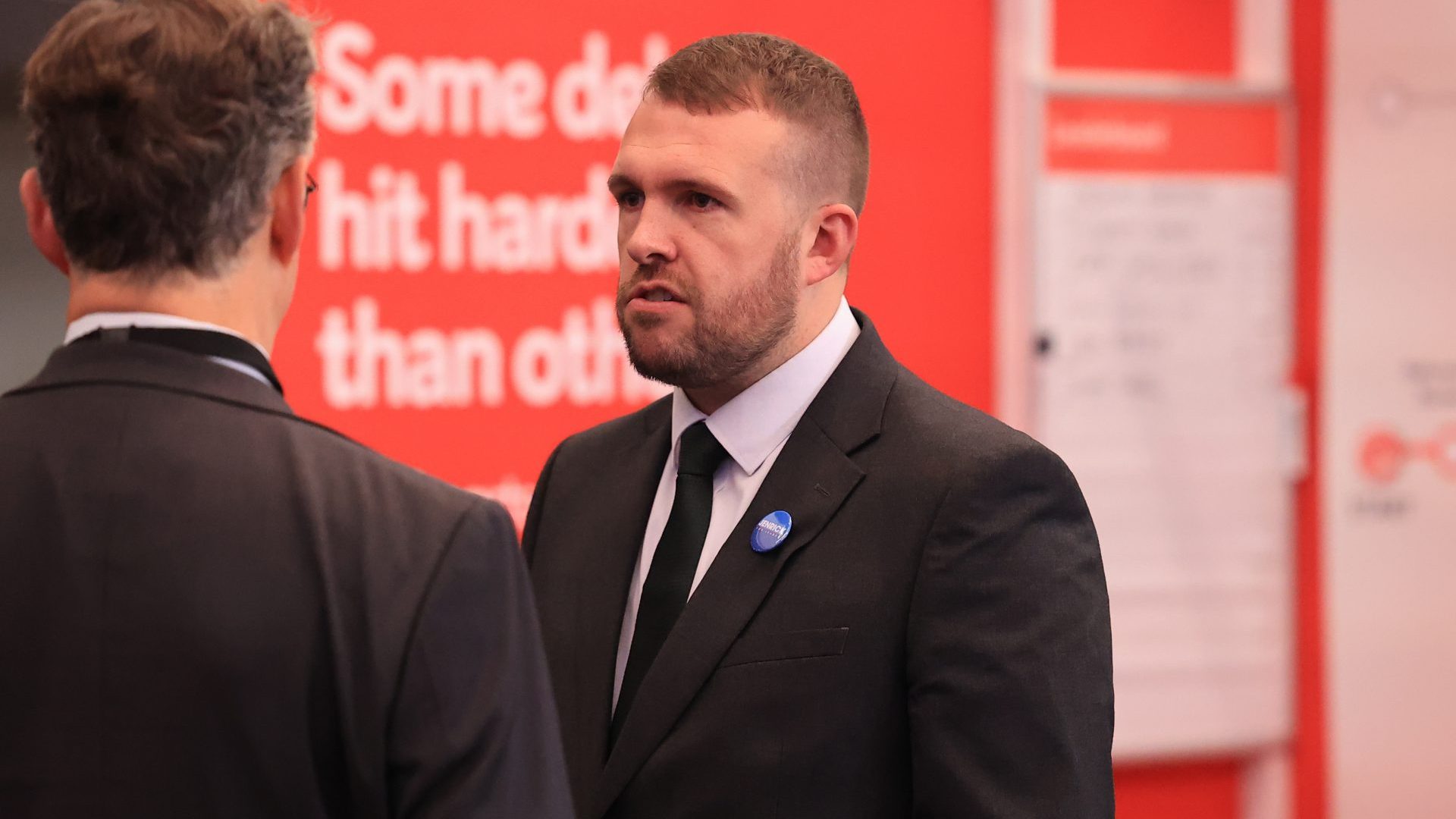

Yitzhak (Isaac) Herzog has been president of Israel since 2021. This is a mainly ceremonial position, but he is also said to have considerable political influence.
The position of Israel’s head of state is not hereditary, although you could be forgiven for thinking that it might be, because Isaac’s father, the Belfast-born Chaim Herzog, was also president of Israel from 1983 to 1993. Chaim served in the British Army during the second world war.
His family were of Yiddish-speaking eastern European Ashkenazi Jewish descent, with their origins in areas of what are now Poland, Russia, and Lithuania. Isaac Herzog himself was born in Israel, in Tel Aviv.
The family name Herzog is identical to the German-language aristocratic title which is usually translated into English as “duke”. The Duke of Edinburgh is known in German as “Der Herzog von Edinburgh”.
Duke and Dukes are also English language surnames – there are currently several thousand people with those family names in Britain and Ireland. But according to the Oxford Dictionary of Family Names in Britain and Ireland, a proportion of them derive this surname from the original nickname “duck”, given to bearers because they in some way resembled the waterfowl. The origin of Duke could also be as an ironic nickname for someone with a haughty demeanour; it could too be an occupational name for someone working in a ducal household.
The German word Herzog has its etymological roots in two medieval German words: her, which meant “army” (Heer in modern German); and zog, which means “pull” (and is related to the English verb “tug”). Herzog, then, was a title borne by a Germanic warrior who “drew” or led troops into battle.
The name of the former Yugoslav polity of Hercegovina, now part of Bosnia-Herzegovina, is a combination of two elements. The first part, herceg, is the form of the German word Herzog as borrowed into the South Slavic languages Croatian, Serbian, Montenegrin, and Bulgarian, maybe via the non-Slavic language Hungarian. The second part is the Slavic possessive suffix –ovina.
Hercegovina, then, literally means “of the duke” or “duchy”, the original duke in question probably being Duke Stephen (Stjepan Vukčić Kosača).
The famous German screenwriter, film director, actor and opera director Werner Herzog was born in Nazi Germany in 1942 and originally bore his Austrian mother’s Croatian-language surname Stipetić “son of Stephen”. Herzog was the surname of his German father Dietrich, who abandoned the family when Werner was a child. Werner nevertheless later switched to using the family name Herzog, believing that, with its aristocratic associations, this was a more suitable name for a film-maker.
The Canadian-born Nobel Prize-winning novelist Saul Bellow used the name Moses E Herzog for the protagonist of his famous 1964 novel Herzog, which is his semi-autobiographical portrait of a contemporary North American Jewish intellectual.
Saul Bellow himself was impressively multilingual, having been raised in a Jewish immigrant household in Canada where Yiddish, Russian, and English were all spoken. He studied Biblical Hebrew from the age of three and grew up speaking French in Montreal.
His fluency in Yiddish is said by literary scholars to have influenced his distinctive English writing style. He was in his own way a linguistic and literary aristocrat.
Suggested Reading
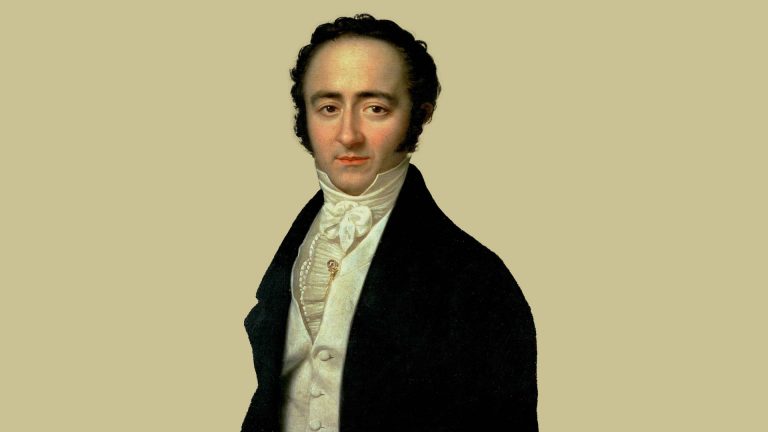
Why few dare speak the name of Mozart’s son
Ashkenazi
Ashkenazi refers to Jewish people who are descended from communities that settled in central and eastern Europe and spoke Yiddish, which is historically a variety of German. Ashkenazi is often contrasted to Sephardi, which refers to descendants of Jewish communities who settled in Spain and Portugal and spoke Ladino or Judeo-Spanish. The Modern Hebrew term Sepharaddim signifies “Spaniards” or “Jews of Spain”.