I would love to reach a point where we no longer need Black History Month, where Black lives are so thoroughly woven into how Britain understands itself that setting aside October feels unnecessary. But, at the moment, we are nowhere near it.
Each year, someone asks why Black history needs its own month: “shouldn’t we teach it all year round?” Yes, absolutely. But I struggle with giving up an established space for learning and celebration while we wait for that to materialise.
This year marks a century since the American historian Carter G Woodson launched Negro History Week, the precursor to Black History Month. Britain’s observance began in 1987, through the work of campaigner Akyaaba Addai-Sebo and others, and turns 40 next year. There is much to celebrate in those anniversaries and reason to ask why the work remains so necessary.

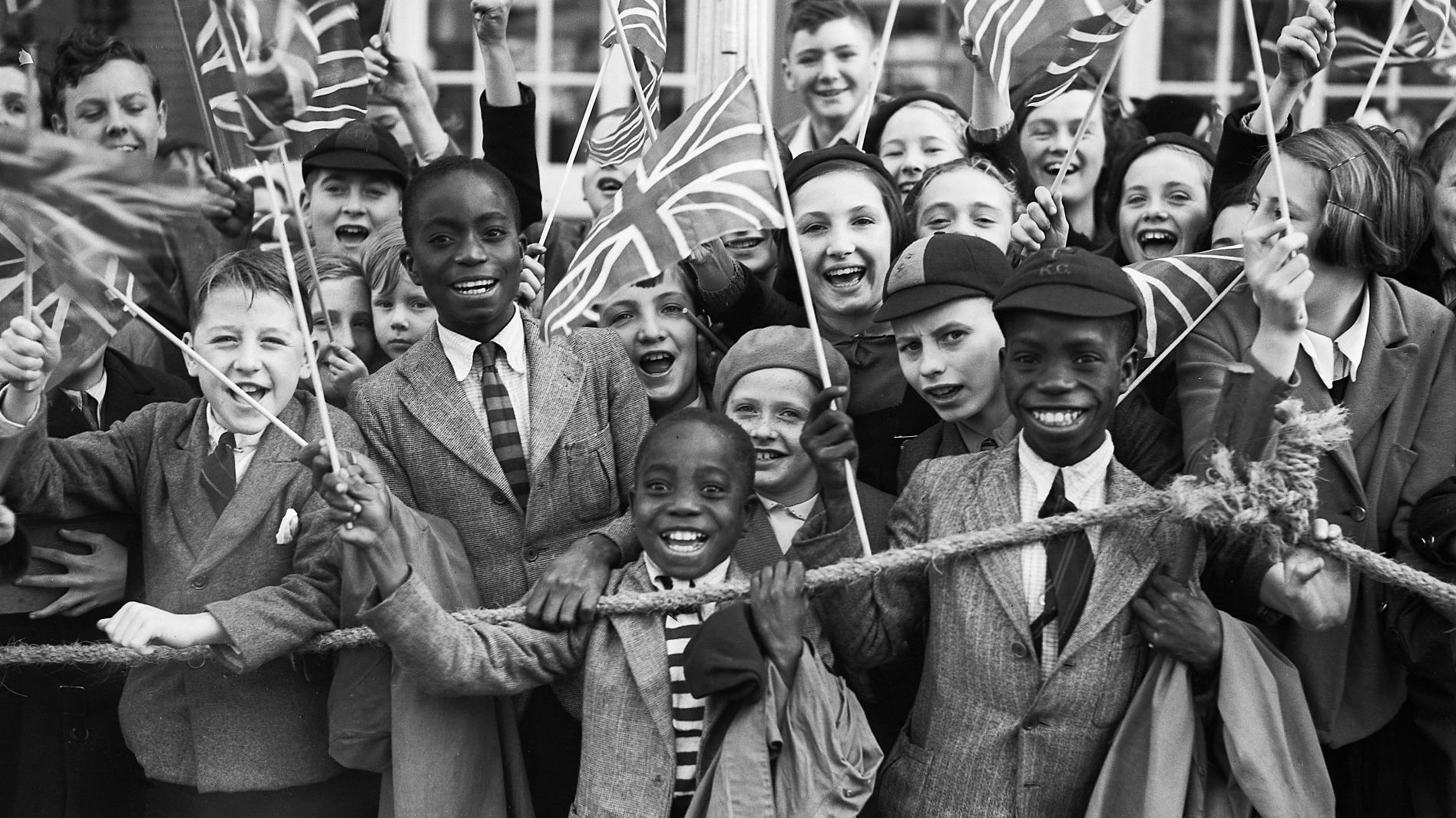
Too often, Black British history still begins and ends with the Windrush migration in 1948, where hundreds of Caribbean people arrived to help rebuild wartorn Britain. That generation’s contribution was extraordinary, but people of African heritage were here long before. English Heritage has evidence of African people in Roman Britain as far back as the third century AD, centuries before chattel slavery.
I find that history fascinating; it also matters in a country where Black people can be born, raised and grow old, and yet still be asked where we are “really” from. A fuller understanding of Britain’s past might loosen the assumption that we sit outside it.
Just days ago, I was invited to take part in what an Essex council describes as its first Black History Month event, a hard-won achievement led by councillors swimming against the tide. Residents have spoken to me about racism and a hostile atmosphere locally.
One person described the area, led by Reform UK, as a “sundown town”. Against that background, a public celebration of Black lives carries particular weight. Of course, one event won’t fix those problems, but I can see the value in neighbours meeting and hearing one another’s stories.
For residents who feel overlooked or unwelcome, being given space in their own community can mean something. What happens afterwards matters too.
There’s been less national fanfare around Black History Month in recent years, I’ve noticed, which I think is down to a few factors, from racial hostility to cuts to council budgets.
The wider statistics make for sobering context. Recent official figures show that police forces in England and Wales, excluding the Met, recorded a 6% rise in race hate crimes and a 3% rise in religious hate crimes over the last year.
Meanwhile, support for anti-racism work is moving the other way. There’s an ongoing legal challenge against a scheme that helps to support Black interns to address “chronic under-representation” of Black talent across various professional sectors. UK businesses are scaling back diversity initiatives and, just days ago, Sunderland City Council withdrew its backing for Show Racism the Red Card. These are just a few examples of stalled progress.
It is hard to hear calls for social cohesion without wondering what they amount to when support for tackling racism and inequity is withdrawn. Someone still has to do that work, answer children’s questions, challenge prejudice and help people understand experiences beyond their own. It takes time, resources and patience.
There are fair criticisms of how Black History Month is handled. For example, I don’t have much patience for organisations that may celebrate a pioneering Black figure while ignoring its Black staff today. Nor should a school consider its job done because it has put a few famous faces on a corridor wall.
But those shortcomings are reasons to do better: to ask more of the institutions taking part and to broaden the stories we tell.
Suggested Reading
Black and Asian voters are politically homeless
There is so much to draw on: local newspapers, family photographs, oral histories, community archives and the memories of elders who have watched Britain change. Some of the most revealing stories belong to people who will never have a statue or appear in a textbook.
And there should be room for joy. Black history includes friendship, faith, enterprise, music, comedy and ordinary family life. We deserve to see ourselves as people who lived, loved and created, not only people who endured.
As a journalist and film-maker, I have seen what happens when people are given time to tell their stories properly. Details emerge that change our understanding, younger relatives learn something new, and experiences dismissed as private troubles turn out to be shared across generations.
October can also prompt commitments that outlast it: preserving an archive, supporting Black journalism, paying contributors properly and continuing a conversation that would otherwise have been avoided, to name a few things.
Perhaps one day the need will feel less urgent. Until then, I say let’s make the most of this space. There is still lots to learn and plenty worth celebrating.