What was great about being online for a long time was that, as a famous New Yorker cartoon once put it: on the internet, no-one knows you’re a dog. Back in the 1990s and the early 2000s, there were websites and forums and blogs and hundreds of thousands of people who could be whoever they wanted.
It was, in some ways, a genuine meritocracy: it didn’t matter how handsome you were, or how charming you could be in person, or how quick on your feet you could be when in polite company.
All people cared about was: are you interesting enough? Funny enough? Pleasant enough to talk to, from one computer to another? Of course, there was trolling, and flame wars, and the gender politics weren’t always ideal. As a popular saying went at the time, the internet was a place “where the men are boys, the women are men, and the children are FBI agents”.
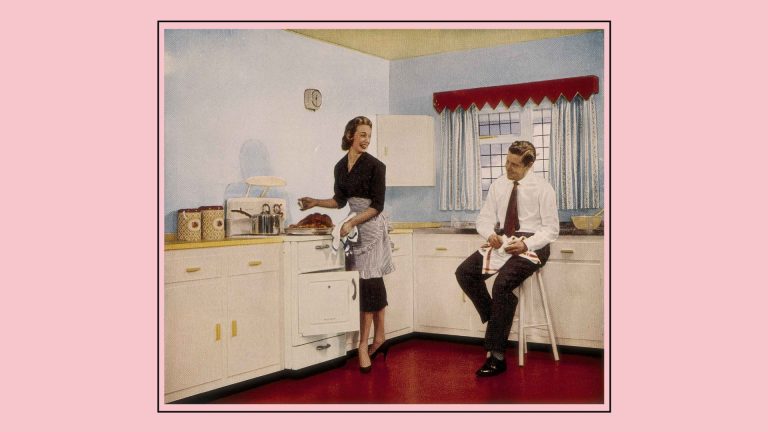

Still, the sheer anonymity of it meant that like-minded people could choose to speak to one another and learn from each other, without having to worry about anything but the matter at hand.
The arrival of social media a few years later made things both worse and better for women and minorities. As people were gradually made to show their faces online – and even share their real names – some of the real world’s less charming dynamics began transporting themselves onto our screens.
Gamergate, which took place in the mid-2010s, ought to be seen as a turning point in that department. The vicious, relentless, targeted harassment of female gaming journalists and personalities showed that we had reached a crossroads, and women just couldn’t be expected to be treated as a class like any other online.
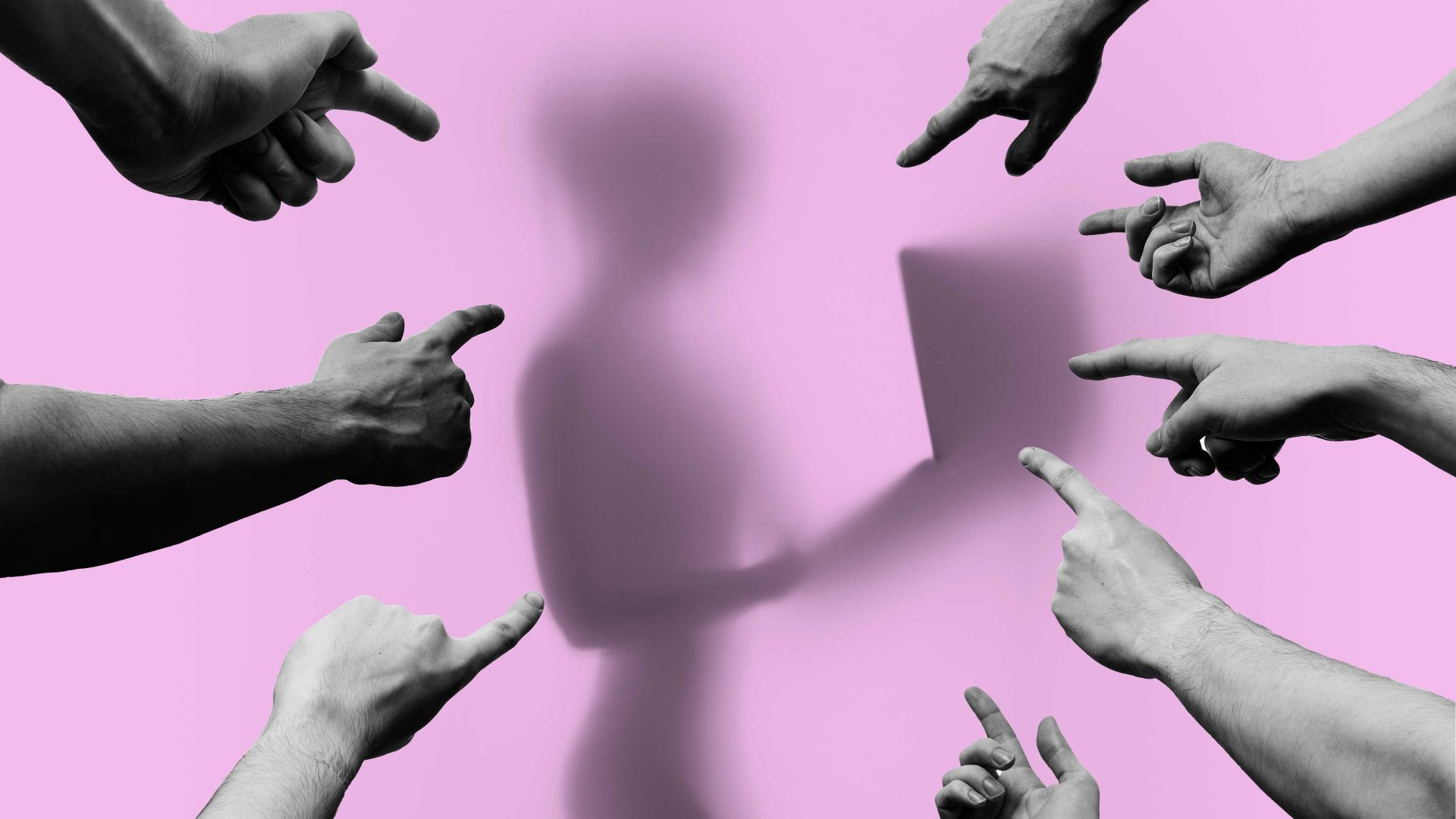
At the time, it was considered an unpleasant blip, but it was really a sign of things to come. A decade has now passed since then and the online harassment of women has only got worse. Coordinated death threats, rape threats and doxxing campaigns have ensured that being in the public eye as a woman now often comes at a very high cost. Would you like to be a journalist? Run for office? Campaign on an issue close to your heart? Then be ready for the internet to potentially ruin your life.
Naturally, things are only about to get worse. As a new report from UN Women has found, women in public life are now facing increasingly sophisticated online violence, mostly thanks to AI crashing into all our lives. Their study, which looked at the lives of 1,500 women in the public eye, showed that over one in ten had had images of themselves shared without their consent, including intimate or sexual content. Though the technology remains nascent, 6% had already been the victim of “deepfake” photos and videos.
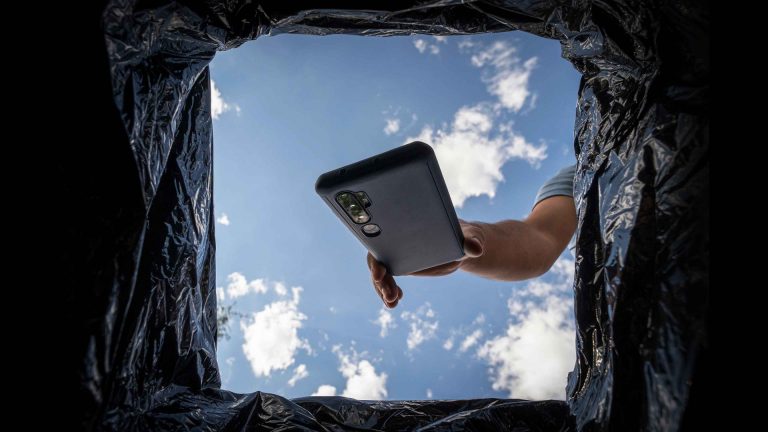

It shouldn’t be a surprise, then, that 45% of the female journalists they spoke to said that they self-censored on social media, and 13% were diagnosed with PTSD as a result of online abuse.
What will happen next is pretty predictable. In fact, it’s a trend Ofcom has already noticed. Last month, the regulator published its annual Adults’ Media Use and Attitudes report, in which it surveyed 7,533 adults based in the UK.
One of the most striking findings was that the number of respondents who said they actively posted on platforms like Instagram, Facebook or X had gone down from 61% to 49% in a single year, an incredible drop of over ten points.
Some of this may well be because of the shift to short-form video – it was always easier to post a quick picture or a few sentences than it is to film, edit then upload a video to, say, TikTok. But one of the stated reasons behind the drop was people’s increasing worry about what may happen to their public posts.
Suggested Reading

The AI candidate running for the White House
Isn’t that an awful state of affairs? For a short amount of time, the internet felt like it could and would democratise public discourse, and welcome anyone with something interesting to say. It has now become clear that, soon enough, the only people feeling confident enough to post publicly and consequently influence the political discourse will be… well, the same people as always, really. It doesn’t take a genius to figure out which demographic feels least worried about being abused online.
It really is a shame, as things didn’t have to be this way. It may also not be too late to change course – as the UN report stated, governments just aren’t doing enough to prevent all this abuse from flourishing online. It may well be that the horse has already bolted, but surely we should at least try to fix things before it’s too late.
 Most popular


Emily Maitlis’s diary: Trump doesn’t fear the AI apocalypse – but he’s terrified about the midterms

A new film about Elon Musk reveals him as so awful it’s almost tragic. Almost

My day out with Danny Tommo
I was at Eton with Charles Spencer – this is how it explains his battle with the royals