
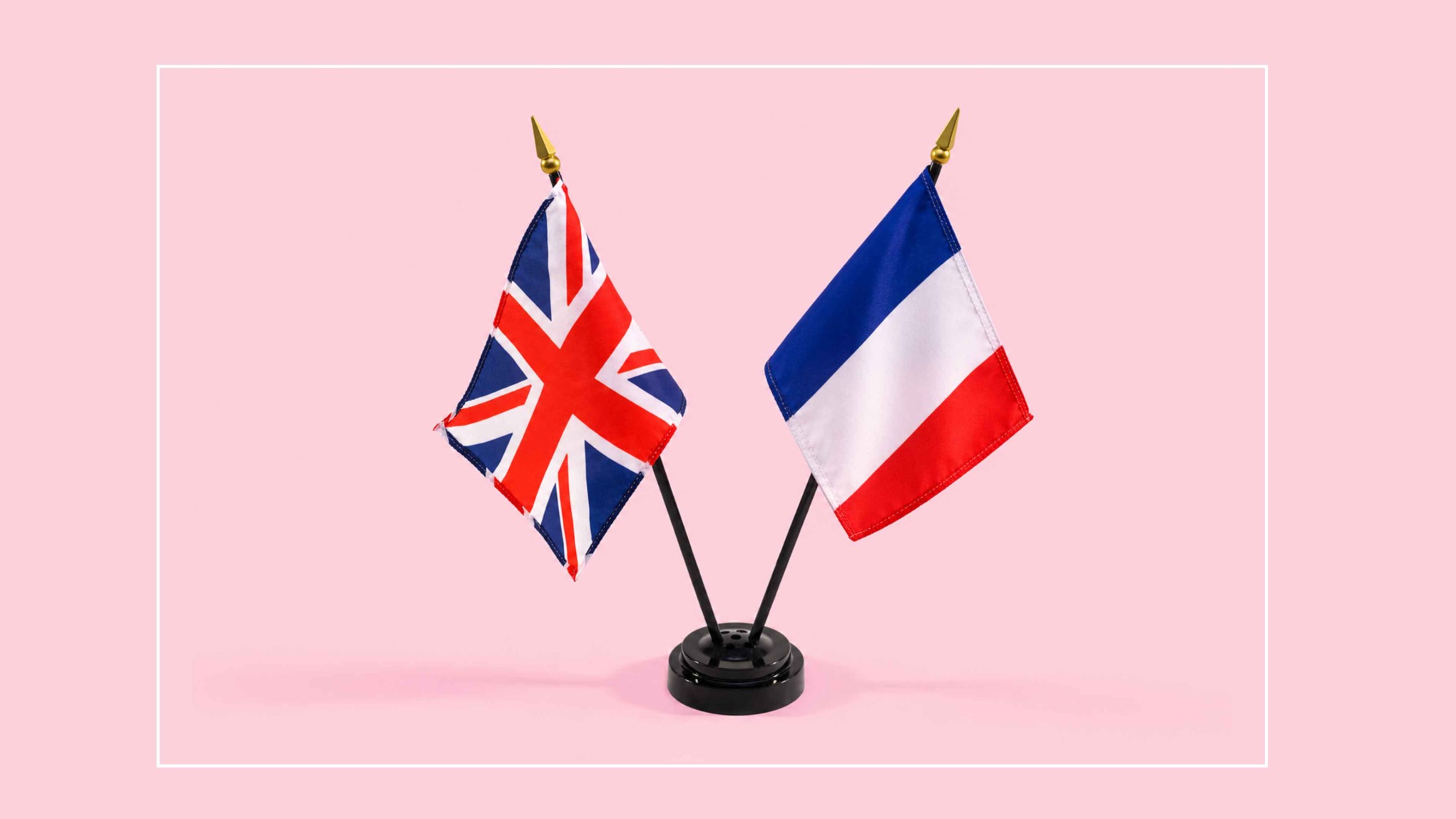
Moving from one country to another is a fundamentally personal endeavour, and no two people can feel the same way about it. I moved to Britain from France in 2009, when I was 17, and over time I came to think of it as a romantic relationship.
London and I had a wonderful honeymoon, when I was young and everything seemed perfect. We’ve had our ups and downs since then – times when I threatened to leave, and got my head turned by other, seemingly shinier cities. But ultimately I always decided to stay in our marital bed.
I covered the referendum on leaving the European Union for the Evening Standard, where I was working at the time, and it both felt real and didn’t. I knew politicians and journalists and campaigners were talking about immigration, constantly, but I had to force myself to dissociate my own existence from what I was writing about.
The vote came and it felt like a punch in the gut, but I wasn’t really allowed to say it publicly, because even someone whose life may be about to materially change for the worse must remain impartial in Westminster.
I eventually got my settled status, but I waited until the very last moment to apply for it – I only finally got there weeks before the deadline. Filling in those forms meant finally reckoning with the reality of what had happened, and it took me a lot of time and effort to do so. It was approved within days and I was able to return to my own cosy little life, which I’d built for myself half inside a lie.
In the years that followed, I watched as all my European friends either decided to apply for citizenship or elected to move out of Britain altogether. Somehow I became the only one left in this odd limbo: determined to spend the rest of my life in London yet unwilling to make it entirely official. Again, something happened inside my brain that made me unable to even consider the possibility of getting one of those blasted black passports.
It’s now been 10 years since my loving spouse elected to betray me, and I’d like to say that things have become better between us since – that we’ve patched things up. But I’m just not sure that’s true. I live here and I’m French, and though I don’t quite write about politics as much as I used to, I am able to feel the wind on my face, and tell which way it’s blowing.
It seems unlikely that Reform will ever get into government, alone or with the Conservatives. But if they do, it is a genuine possibility that I will be deported, or at the very least become a second-class citizen.
That they are no longer at the top of the polls should please me but really, the wound is already there, and still festering. How is it possible that they got so far in the first place?
I also look at the government, allegedly a Labour one, and struggle to find myself represented by them. It isn’t morally wrong to have been born in one place and ended up in another, yet the home secretary seems to loathe our very existence.
Should I have applied for citizenship before she joined the cabinet? I look at the minor blemish on my record, from a daft protest I went to as a teenager, and I ask myself if it will end up derailing my life at some point.
I moved to Britain at 17 and I’m now 34; soon, I will have spent exactly as much time here as I did in France.
My roots are, in some ways, deeper on this side of the Channel now, but I worry: will they be enough to keep me in place if forces conspire to kick me out of the place I call home?