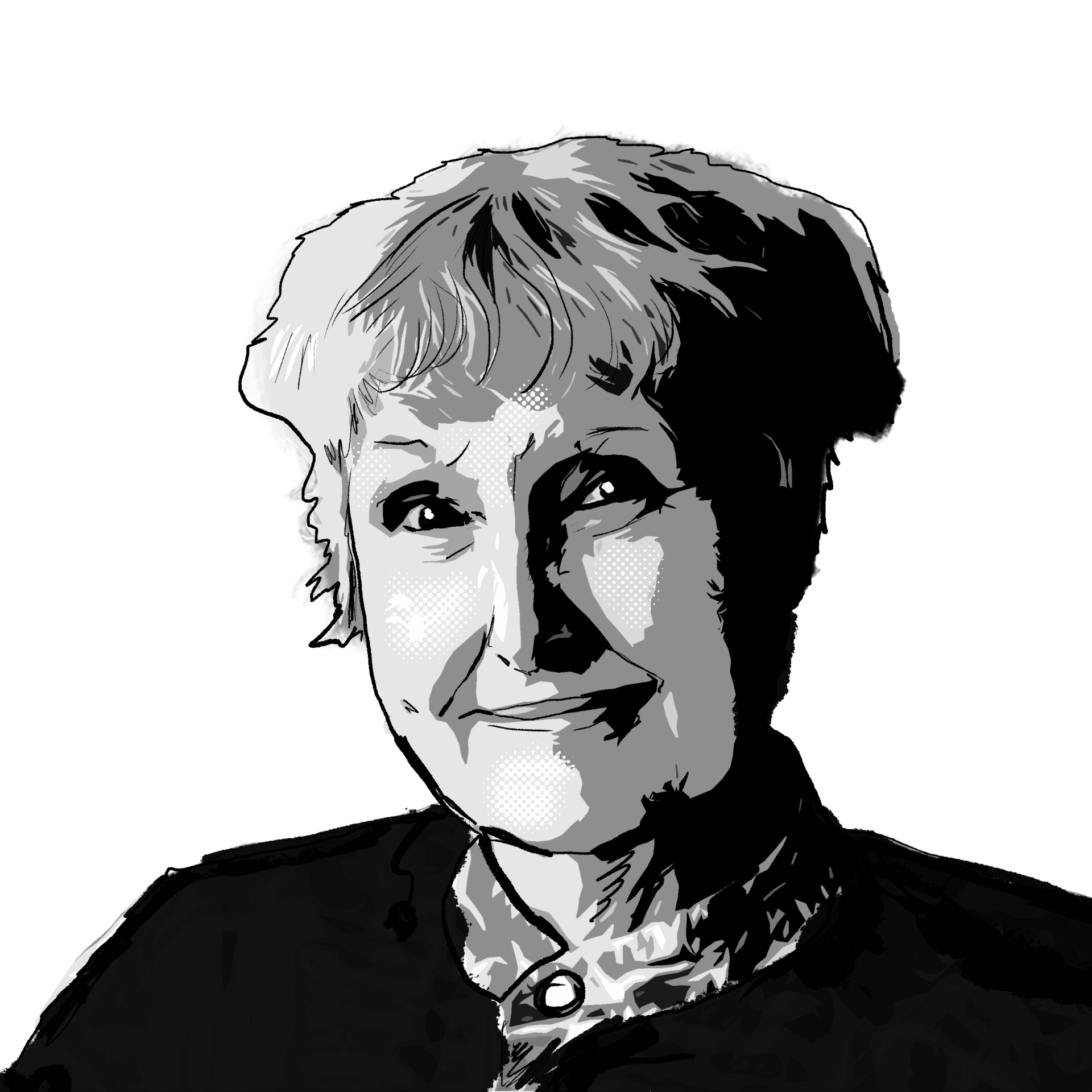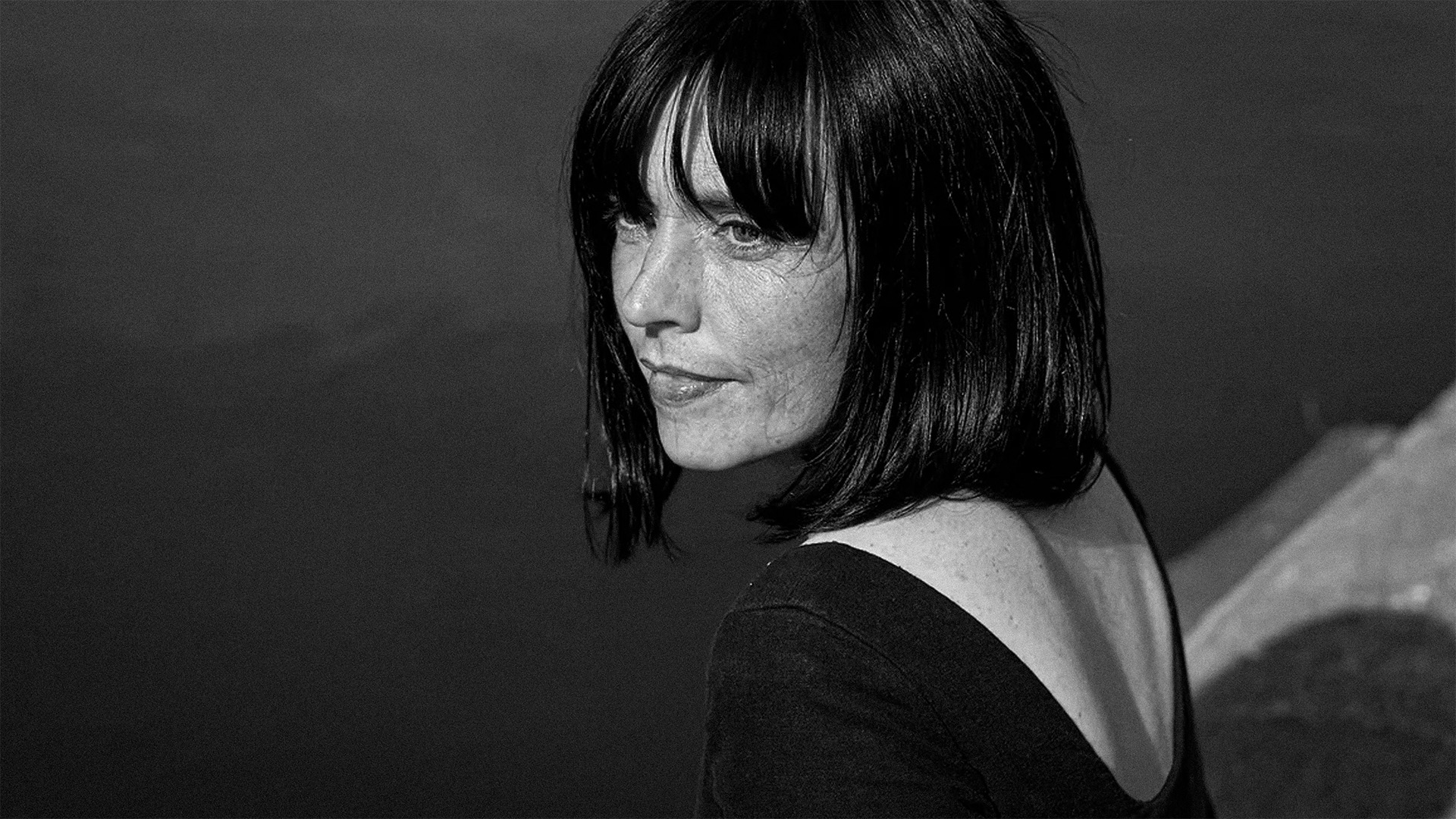
Doireann Ní Ghríofa is a necromancer. A necromancer is not a mere resurrector of bodies but a finder of spirits, a dancer with death. The Galway-born Ní Ghríofa romances her subject, following signs and signals, wooing the dead gently and then sweeping them into a warm embrace.
Her first novel A Ghost in the Throat, undertook a similar expedition, a journey to recover a lost woman and her story. These intrepid journeys of archival discovery pulled the author out of the world of the living and even of her family life, and into the realm of the dead.
Her books constitute a journey for her subjects herself and her reader, in which all three are pulled into a spirited and utterly intoxicating danse macabre. Throughout her writing crackles and fizzes, conjuring figures and ghosts, vivid and frightening scenes and heart-breaking partings.
So it is with Said the Dead, which feels perhaps even more accomplished, even more vivid, even more captivating. Here, she undertakes a fascinating exploration of the Cork Lunatic Asylum, as it was once called, a now-decaying building in her home city, and one which is, during the course of the book, turned into flats. Sneaking into the grounds after the school run, she scales fences, using everything she has to follow clues and gain access to spaces that help her to build her story.
Suggested Reading

The podcast that America’s shitheads fear
What she discovers is a fascinating community of women, led by the charismatic and compassionate female doctor. This is her story – Lucia’s – of a career won by force of will in a century when women were not believed to have the intelligence or the authority to be doctors.
Ní Ghríofa follows Lucia through census data and medical school transcripts, into the tangled world of the decaying asylum, but her work is also intuitive, serendipitous and grounded in their growing relationship. She names herself in the story only as the Reader, not creator or storyteller, merely a witness.
Not only does she find the dead, the dead also seem to find her. They are more alive than she, and it is the Reader, the ghost of the future, who haunts their steps through the doors of the crumbling asylum and out again.
Of course, this type of work leads to its own problems and process is central to this story – one cannot name those who have been dead for less than one hundred years. So one night the author takes her subjects to the river and enacts a dark baptism for her purposes: “Turning, then, she nodded towards them in her nightdresses, and if they came, it was only because they recognised her as one of them.”
As the women approach her she imagines one in her arms where “holding her eye and the nape of her neck, the Reader tilted her back, back, seeing her hair lifting like river weed, the old simultaneity of hold and let go. It pained her to replace her true name with a pseudonym…” This interaction invokes the spirit of her communing with the dead, a magical thread which glitters through the pages of the book.
Suggested Reading

The first rule of holiday reading: Stop buying books at Gate 12
Like many Irish women writers (and women writers the world over interested in the history of their gender) Ní Ghríofa has been robbed of many of the stories of her foremothers and has made it her life’s work to chase spectres down corridors, rake through forgotten pages and break into abandoned buildings in order to unlock the mysteries of a female past often erased from official records.
The women of Ireland have a double silencing to overcome here, that of patriarchy and that of colonialism. This is the eerie story of the tendency of both regimes – patriarchal and colonial – to accuse their critics of madness, those unable to live with the madness of bloody oppression accused of being themselves unfit for so-called civilised society.
These women have been imprisoned for their “lack of femininity” their defiance of gender norms, for talking out of turn. They have been locked up for criticising feckless husbands, for fighting for any small crumbs of freedom that they can find and for responding with outrage to a world not built for them and in which they and their families are second-class citizens. Ní Ghríofa is their biographer and confidante, elevating their troubled lives to high art, as men’s have been for centuries.
Said the Dead is a powerful invocation of ageless femininity, of the power of women to speak to each other when their silencing has been institutional, generational and absolute. It is a beguiling ghost story, séance and a deftly depicted haunting. It is an exploration of female madness, of colonialism, of history and of what it means to be a woman in the world now and always.
Most of all, it is a glorious read.
Said the Dead by Doireann Ní Ghríofa is published by Faber
 Most popular

My day out with Danny Tommo
I was at Eton with Charles Spencer – this is how it explains his battle with the royals


Emily Maitlis’s diary: Trump doesn’t fear the AI apocalypse – but he’s terrified about the midterms
Memo to Burnham: this is how you beat the populists