There is a certain kind of relationship that looks like generosity from one angle and like a rather comfortable arrangement of control from another. For the better part of six decades, western donors funded African governments’ health systems, food pipelines, and civil society. In exchange, those governments absorbed the attached conditions, hosted the consultants, and conveniently structured their priorities around what the donors were willing to pay for.
Nobody called it a transaction, but it functioned exactly like one. In early 2025, when the US, the UK, France and Germany all cut their foreign aid budgets at the same time – the first time in decades all four had pulled back simultaneously – that transaction crumbled. Now, a very new, surprising picture is beginning to emerge.
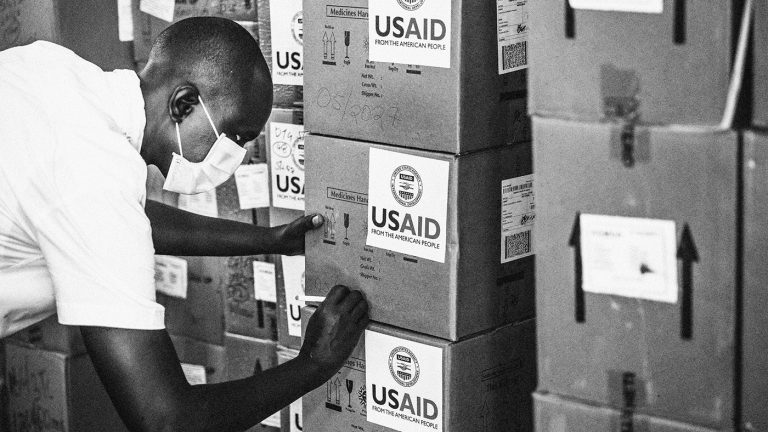
The American cuts were the most dramatic, partly because of their scale and partly because of their theatrical delivery. On his first day back in office, Donald Trump signed an executive order freezing all US foreign development assistance pending a 90-day review. By March, around 83% of programmes had been cut. By July, the agency that administered most of them – USAID, a fixture of American foreign policy since 1961 – had been formally closed, with a few surviving programmes folded into the State Department.
Britain, meanwhile, announced plans to slash its foreign aid from 0.5% to 0.3% of national income to pay for more defence spending. France cut its aid budget by nearly a fifth. The broad message from the west was simply: the generosity era is over, we have our own problems now, good luck.
Suggested Reading
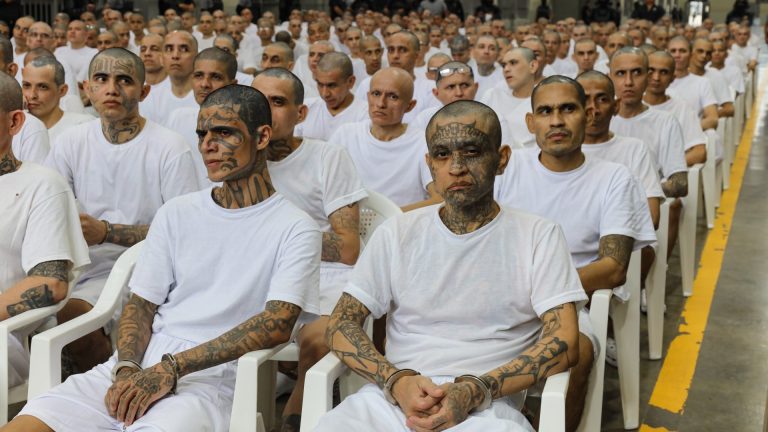
The nation where 1.7% of the population is now behind bars
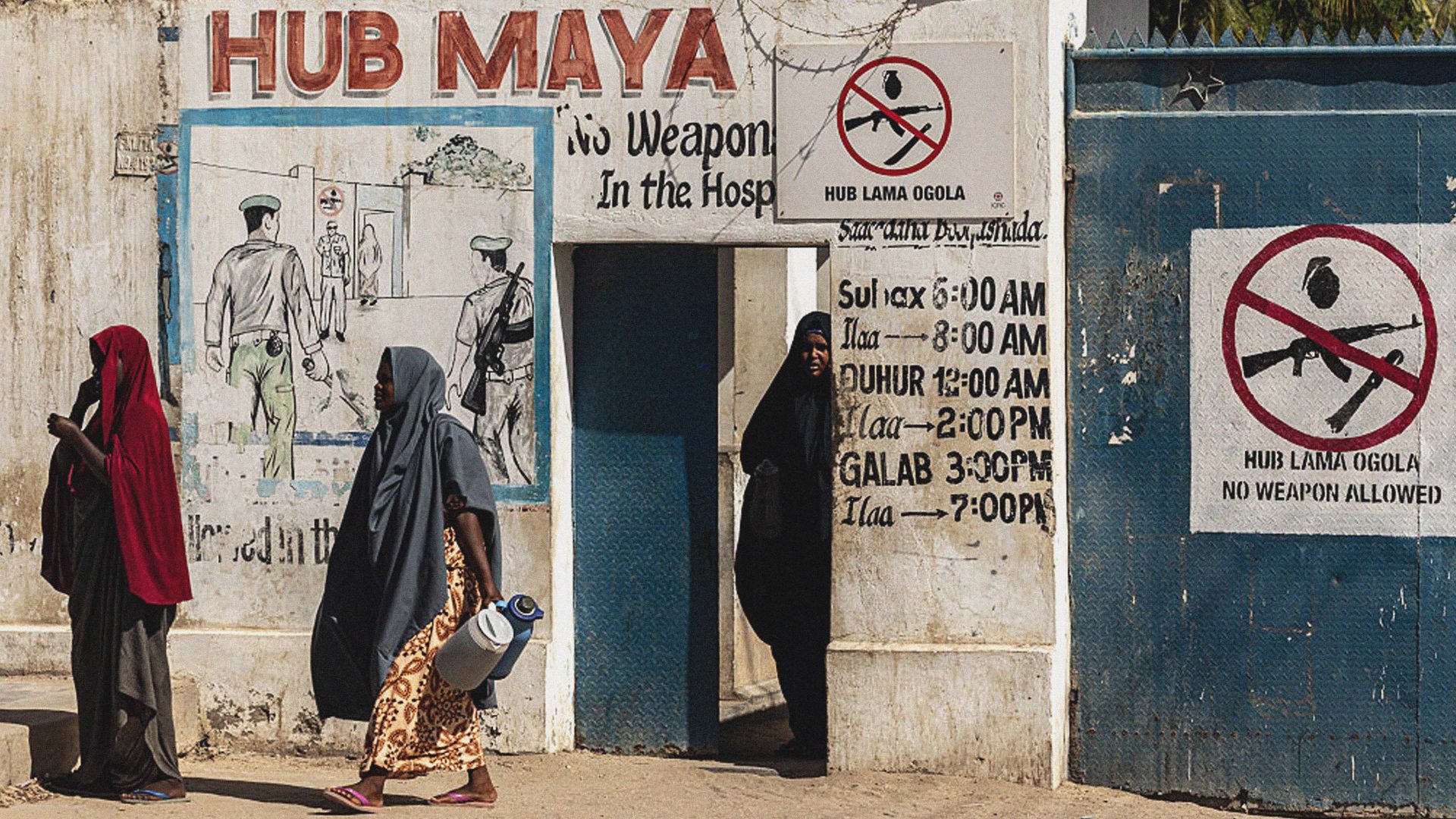
Inevitably, that message landed hardest in the countries where health programmes had been built almost entirely on external financing. In South Africa, around 8,500 health workers lost their jobs in a single week when US-funded projects received termination letters in late February. In Nigeria, nurses at HIV clinics stopped testing patients because no one was paying for the test kits any more, and started counselling on prevention instead – a terrible long-term health strategy. In Somalia, more than 150 health facilities closed, leaving 1.5 million people without care.
Naturally, everyone immediately began wondering if China would step in and fill the gap, which is the default next paragraph whenever the west retreats from anywhere. China moved quickly in both Cambodia and Rwanda, funding nutrition and childhood development programmes that closely resembled the ones Washington had just cancelled.
But China does not give aid in the same way as western donors, and does not have the same aid infrastructure. Its development finance is built around loans and resource partnerships, not community health clinics and antiretroviral supply chains.
What has been more revealing is what African governments chose to do. Rather than sit around waiting for a new patron, Nigeria approved emergency health funding and committed to absorbing on to its own books tens of thousands of health workers who were previously on the American payroll.
Ethiopia introduced a new tax specifically to fund a domestic disaster response account for programmes that had relied on external donors. Ghana uncapped its national health insurance scheme and pumped in several billion cedis. Kenya restructured its health insurance system entirely. These responses were uneven and under-resourced relative to the gaps they were filling, and in several cases politically controversial at home. But they shared a quality that had been somewhat missing for a while: agency.
Suggested Reading
The Africans dying in Putin’s failing war
The economic picture, too, has been less catastrophically bleak than the early headlines suggested – with important caveats. The IMF’s October 2025 projections found that 11 of the world’s 15 fastest-growing economies in 2026 are in Africa. African governments raised more from international capital markets in 2025 than the year before, and credit ratings agencies upgraded several countries, citing improving macroeconomic momentum.
None of which is much comfort to the 1.5 million Somalis who lost access to a clinic. But the broader data makes it harder to sustain the most patronising version of the story, in which Africa is simply a passive object of western decision-making, incapable of adjusting to changed circumstances.
In August, John Mahama, president of Ghana, convened the Africa Health Sovereignty Summit in Accra, at which former Nigerian president Olusegun Obasanjo told the room that Africa needed “health without aid”, and proposed a continental health fund seeded by a levy on airline passengers. The WHO director-general quoted Kwame Nkrumah, who led Ghana to independence from Britain: “We are not interested in handouts.”
Suggested Reading
Trump’s policies are already killing people
Of course, this is either stirring oratory or mildly ironic, coming from the head of an institution that has itself depended on donor goodwill for most of its existence, depending on your mood. But Nigeria’s health minister said plainly that you cannot build a population’s health on another nation’s generosity and the very fact that these words were being said in public, by sitting and former heads of state, is worth noting.
The honest version of this story contains two things that are both true and in opposing polarity with each other. The first is that the abrupt withdrawal of western aid has caused genuine suffering that no summit declaration could ever undo.
The second is that the relationship it has disrupted was never just a straightforward act of western generosity. It was a system that gave donors considerable influence over the governments they were funding, that built health and civic infrastructure on foundations that could be removed by a change of administration in Washington or a budget vote in Westminster.
For all its achievements, the aid system created a kind of permanent adolescence in which the continent’s governments were always in some sense accountable to someone else’s electorate. Now the donors have left, what Africa does with that departure is the story that is still being written.
Joseph Maina is a freelance journalist based in Naivasha, Kenya