
Snow hasn’t fallen in Hollywood since January 1962. And yet there’s always a White Christmas. In the studios, real snow obviously can’t survive the heat of the lights. For exteriors where snow can be guaranteed, it’s difficult to film; and where it’s easy to film, snow can never be guaranteed. Of course, one possible solution is to go and find some real snow. The opening shot of Charlie Chaplin’s The Gold Rush (1925) reproduced contemporary photographs of the Donner Pass, but the freezing conditions were not conducive to comedy, and Chaplin soon resorted to the studio, where a snowy landscape was made with flour and salt.
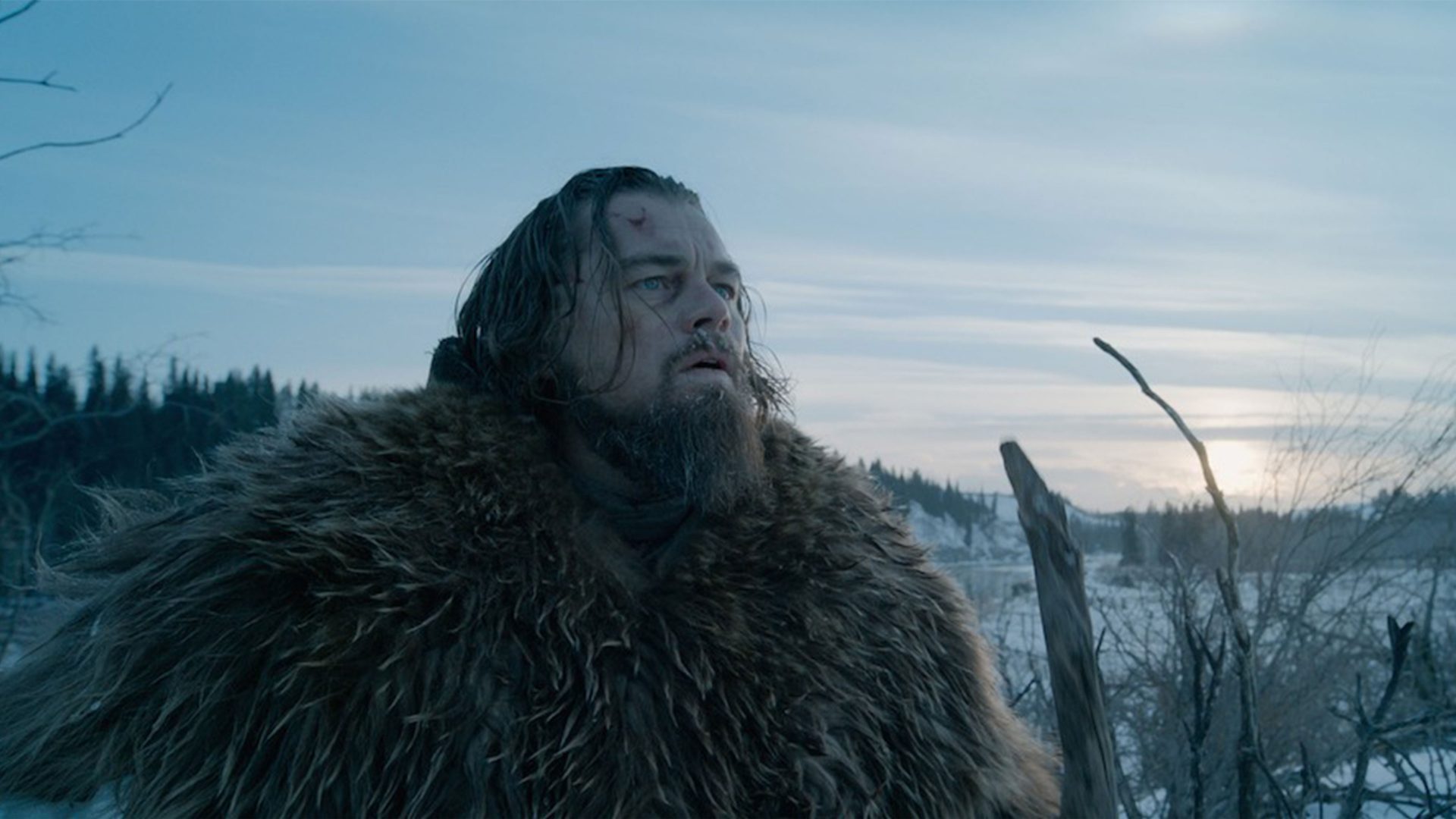
Alejandro Inarritu’s The Revenant followed Chaplin’s example and sought a similar authenticity, filming with natural light in real locations and weather conditions. But because of global warming, snow and ice were increasingly difficult to find, forcing the production to move from the northern to the southern hemisphere in search of the right conditions.
Throughout the years, a variety of methods have been used to create fake snow. While making The River in 1929, Frank Borzage used bleached cornflakes as snowflakes when nature wouldn’t oblige. This white breakfast cereal created an illusion of a winter wonderland, but animals – particularly deer – would come down from the hills and eat the toxic ‘snow’, with horrible side effects. Filming inside a freezing unit with ground ice for snow was another option, but obviously hated by crews and actors and potentially dangerous for equipment.
Bleached cornflakes look like snow and fall like snow. But another solution was ground-up indigestion tablets, which still presented a health hazard when blown by large industrial fans to recreate a snowstorm.
An even more serious danger came during filming in The Wizard of Oz (1939), a film which now reads as a case study in why health and safety standards need to exist. Glinda wakes Dorothy from her poppy field sleep with some snow, which is actually industrial-grade chrysotile, aka asbestos. Asbestos was used until in pictures after the second world war. Marketed under innocuous names like Pure White, it was also sold as a form of Christmas decoration.
Director Frank Capra decided against bleached cornflakes – not due to health issues, but rather because it was simply too noisy and Capra wanted to record his dialogue live for his new film It’s a Wonderful Life (1946). Russell Shearman was the RKO special effects chief charged with coming up with a workable alternative. His award-winning innovation was to use Foamite, the fire suppressant foam found in fire extinguishers. He mixed this with soap, water and sugar, and sprayed the mixture in front of high-powered fans to create a snow that looked realistic and, more importantly, was relatively quiet to walk on once it settled.
Suggested Reading


Why The Shining is a Christmas film
Six thousand gallons of the stuff were created to turn Bedford Falls into the winter wonderland George Bailey runs through, complete with snow-laden trees and snow drifts. Shearman, in an unrelated incident, would be electrocuted while filming The Shark Fighters (1956).
Two snowy classics made by perfectionists also had to use inventive solutions to substitute snow. David Lean’s Doctor Zhivago (1965) recreated the snowy wastes of the Russian Steppes in the countryside outside Madrid, Spain. Franco’s Spain was unsurprisingly more welcoming than the Soviet Union to an adaptation of Boris Pasternak’s banned novel. Lean used melted white wax, with a sprinkling of ground marble to create the glittering effect.
Stanley Kubrick’s The Shining (1980) recreated a snowbound Colorado hotel in Elstree Studios, Borehamwood, using crushed styrofoam and salt. Environmentally friendly snow is nowadays preferable. Using recycled paper, snow candles can be burned and create a biodegradable ash.
This is a favourite of Ridley Scott. See for instance, the opening battle scene of Ridley Scott’s Gladiator (2000), though in the latter stages of the scene, real snow began falling on location. The only drawback to this technique is the way the ‘snow’ has a tendency to defy gravity and drift upwards in a way that real snow never does. It’s called snowfall, not snow wander-about.
Of course, nowadays Computer Generated Imagery (CGI) can supplement or replace physical special effects, even in live-action movies. Although a tough problem, like fire and fur, a great step forward was made with Frozen in 2013.
Animators used advanced algorithms to create snow and a snowman, which behaved realistically. Well, not really realistically as it talked, danced and sang! The technology can simulate different kinds of snow, from powdery to sludge. As CGI becomes cheaper and increasingly realistic, it is likely to become the easy option for filmmakers.
However, some who are bent on sticking to the old traditions. Last year, Robert Eggers took inspiration from The Queen of Spades (1949) and used frozen mashed potato flakes to recreate snow. His team sourced the discontinued product from all over Europe and bought it up for the film. Of course, the ultimate Christmas film Die Hard is set in Los Angeles, where snow, if you recall the first paragraph, has not fallen for some time. But the filmmakers got over this by burning the top stories of the Nakatomi Tower and so as John McClaine is reunited with his wife, ash falls around them. As everyone knows, ash is Hollywood for snow.
 Most popular


Trump has devastated Iran – and damaged himself

Here's what Zelensky really thinks of JD Vance

A Green wave is ready to wash away Labour London – and this is why

Exclusive: New Ofcom chair appointed – but will he fix Musk and GB News?