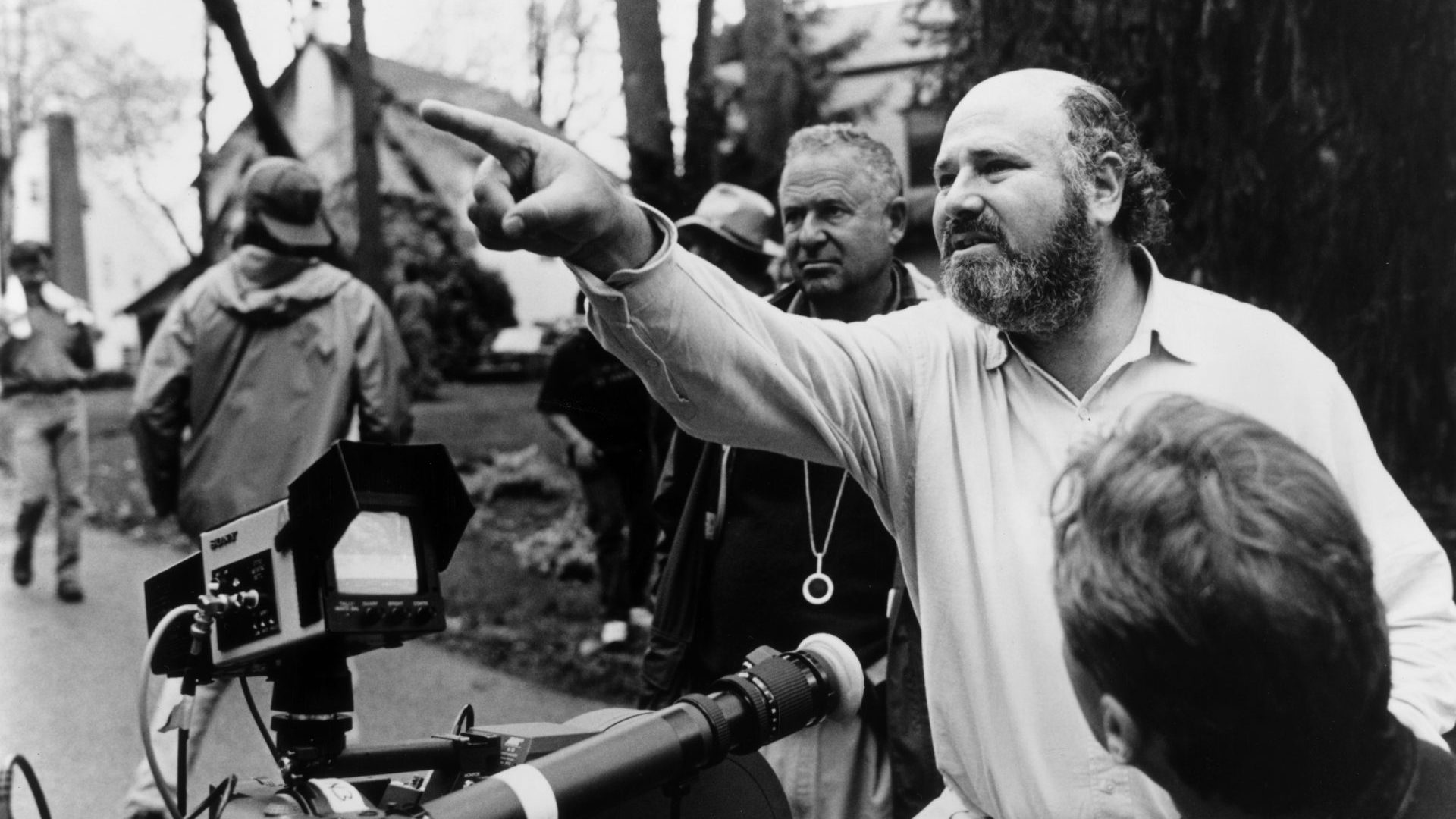
Rob Reiner was a man who responded to hate with good humour.
During a live event, Reiner read out Roger Ebert’s review of his 1994 movie North: “I hated this movie,” Ebert writes, “Hated hated hated hated hated this movie. Hated it. Hated every simpering stupid vacant audience-insulting moment of it. Hated the sensibility that thought anyone would like it. Hated the implied insult to the audience by its belief that anyone would be entertained by it.”
Reiner quipped: “If you read between the lines, it’s really not that bad.”
It’s pulling the joke from the ashes of disaster, using humour to battle or evade a world that doesn’t necessarily like you: it’s the epitaph of pain, the undermining of anger and hate.
Rob Reiner’s breakout role was as Mike ‘Meathead’ Stivitz, the son-in-law of Archie Bunker in the American sit-com All in the Family, which ran from 1971 to the early eighties. The show was a remake of the British sitcom Till Death Us Do Part, and Archie Bunker was the Alf Garnett of the piece, the lovable bigot, the voicer of outrageous opinions.
The joke was that the world was changing around him and he was being left behind. Vietnam was being lost, women – like his daughter and Mike’s wife Gloria – were no longer submissive and were demanding their rights. Black people, like the neighbouring Jeffersons, were demanding equal rights. Gays were coming out and fighting homophobia.
The reason we could laugh at Alf Garnett and Archie Bunker is because they were so obviously losing.
Now Archie Bunker is President of the United States of America and all those unvoiced opinions are being voiced and amplified throughout the internet and via social media sites run by Archie Bunker’s bastard progeny. And while the liberals who were behind All in the Family (the show was created by Norman Lear, and Rob Reiner himself became a writer on it) had an affection for a man who they saw as ultimately sad and confused, these new Archie Bunkers have no mercy, no pity, no sense of human decency.
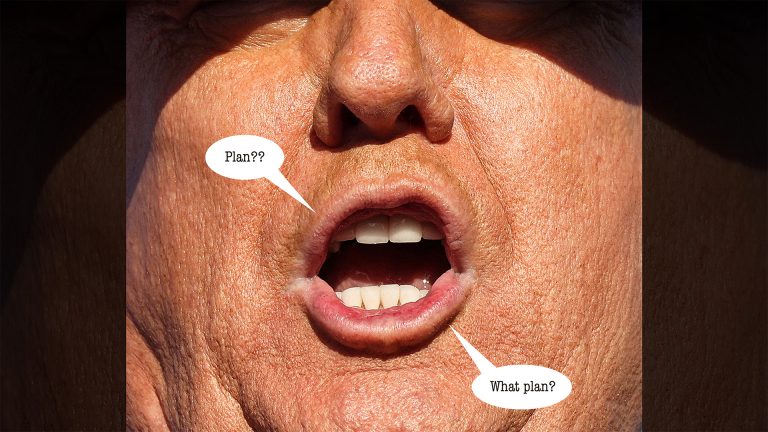
Take the fuckwit in the Oval Office (I know, I’m never getting my visa to the States now). His response to the murder of the Reiners was to go on Truth Social and fart: “Rob Reiner, a tortured and struggling, but once very talented movie director and comedy star, has passed away together with his wife, Michele, due to the anger he caused others through his massive, unyielding and incurable affliction with a mind-crippling disease known as TRUMP DERANGEMENT SYNDROME”.
It’s a classy move, laying the blame for a double murder at the door of the victims. Contrast this with Reiner’s respectful treatment of Charlie Kirk, a man he undoubtedly was not a fan of: “That should never happen to anyone. That’s not acceptable. That’s not a solution to any problem.”
The next day, fully informed, Trump persisted: “I wasn’t a fan of his at all. He was a
deranged person as far as Trump is concerned.”
And what’s with this referring to himself in the third person? It reminds me of Shelley’s poem about George III, England in 1819: “An old, mad, blind, despised, and dying King”.
Trump has the droning, tone-deaf self-satisfaction of the humourless. None of his jokes have the ring of truth that true wit requires. Paradoxically, he’s not funny because he’s not serious; and can’t be silly because he has no joy.
Just ask yourself this question: given all the material wealth and awesome power at his disposal, would you like to actually be Donald Trump? Not in his place. Would you like to be who he is?
Suggested Reading


Train Dreams is the year’s most beautiful film
Whereas Rob Reiner and Michele Singer Reiner, despite the awful, awful tragedy that has befallen them, are truly enviable people. Reiner went from TV stardom, albeit one which meant he would be greeted invariably as “Meathead!” by passers by, to a run of movies that make for one of the most stunning runs of films of any director.
His 1984 debut This Is Spinal Tap has a good shout for being the best comedy ever made. It introduced us to a miniature Stonehenge, “these go up to 11” and the mockumentary genre that would be taken on by The Office and What We Do in the Shadows, among many others.
The Sure Thing was followed by Stand By Me in 1986, The Princess Bride in 1987, When Harry Met Sally… in 1989, Misery in 1990 and A Few Good Men in 1992. Each film was not only excellent, but excellent to the point of definitiveness in each different genre. From coming-of-age to horror, rom-com to courtroom drama, Reiner proved himself adept at getting to the human core of any story.
His next project was a script he desperately wanted to make, but the writer wouldn’t relinquish the rights because he wanted to direct it himself, even refusing a deal to direct two other pictures instead. Reiner respected the decision and produced the film and when he saw it finally he told the writer-director Frank Darabont that this was the best film Reiner’s company Castle Rock had ever produced. It was called The Shawshank Redemption.
Reiner had been married to Penny Marshall but they divorced in 1981 and while making When Harry Met Sally… Reiner met Michele Singer on set. Singer was a talented photographer, who – in a cruel irony – photographed Donald Trump for the cover of The Art of the Deal.
In the original ending of Reiner’s film, the will-they-won’t-they couple won’t-theyed, but having just found love with Michele, Reiner changed it to they will, and a happy ending was made. The real-life pairing would have three children.
Their life together was informed also by their activism and Michele also became a producer and collaborator on Reiner’s films. Reiner had long been a proud espouser of liberal causes and activist, fighting for environmental issues and against homophobia as far back as the original Stonewall movement and through to marriage equality.
His judgement of Trump and Trumpism was scathing and vocal and you can tell Trump despised him because Reiner was funny and Trump can only dispense sneers which are to humour what a urinal backsplash is to an April shower.
Rob and Michele Reiner’s legacy will be their work, their humanity and the good things they tried to achieve in the world: fighting bigotry and promoting good sense, fair treatment and equal rights. We’ll be quoting Spinal Tap and crying at the end of Stand By Me, laughing at a faked orgasm at Katz’s Deli, feeling the furious joy of injustice being overturned in A Few Good Men, long after tariffs have been reversed and this shit stain on the underpants of American history has faded in the wash.
Because unlike Archie Bunker, who despite all of his many, many faults, and played with enormous talent by another liberal Carroll O’Connor, was deep down a very human being and essentially a good man, there is nothing redeeming or the least bit lovable about the bigot in the White House.
 Most popular
‘Operation Epic Fury – as it happened’
Is Star Wars dead?
Morrissey returns.. and heaven knows he’s mythical now


Iran War: Trump has now sealed his own fate