Netflix documentaries often follow the same formula: the focus is on a predatory man who puts most other predatory men to shame by their sheer arrogance and audacity.
The first part sets the scene. The predatory man has hundreds of victims who he will sexually exploit. His predation will be well known to the community and to law enforcement.
We, the audience, will be introduced to a heroic woman who will be the key to his downfall. Early on, this brave bystander or survivor will approach the police with iron-clad evidence, and they will ignore it or make excuses about why it is not sufficient. The predator will be left to continue his abuse.
In the second part, the hero will take on law enforcement’s job. She and her accomplices will seek out indisputable witness testimony, risk their lives, sanity and own money to bring the predator to justice, and the police will claim they are investigating. Years will go by, more women and girls will be victimised.
The confrontation will take place when the media gets involved or one decent police officer decides the crimes are nefarious enough and arrests are finally made. Once those arrests are reported, more victims or witnesses will come out of the woodwork.
The climax is when justice is done and the serial predator is prosecuted and jailed. Law-enforcement agencies will then hold a press conference and pat themselves on the back for keeping the women of the world safe. And we are meant to applaud them?
Our hero is celebrated for achieving the unimaginable; for holding a sexual predator to account and for spending years, if not decades, bringing the story to the kind of attention she should have got when she first reported the crimes. She deserves her flowers and more for her work, but here is the key part. It is work she never should have had to do.
I have watched hundreds of these documentaries on Netflix and other platforms; the black screen with white text and red scribble has become shorthand for this type of story.
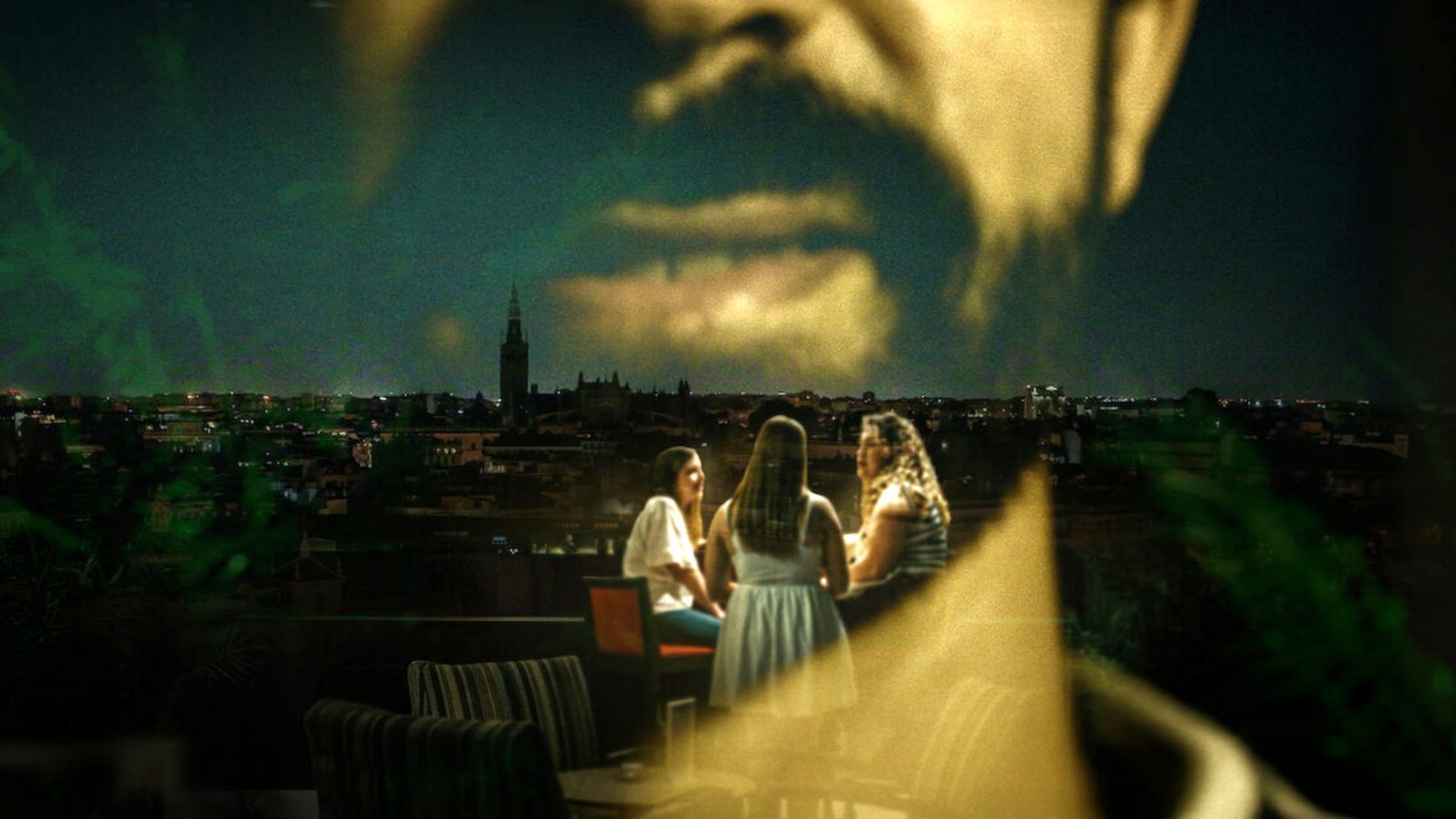
In The Predator of Seville, Manuel Blanco Vela (aka “Manu White”), runs an excursion company in Seville, targeted at American students studying abroad. His office is covered in university flags, including those of my own alma mater, Penn State. Gabrielle Vega is our hero/narrator, who studies in Seville but first encounters Blanco Vela on an excursion to Morocco.
Manu is looking for the perfect victims. Perfect because they are only there for three months, before a fresh class of recruits is shipped in none the wiser. The girls are away from home for the first time, in a country where they speak a different language, where the legal age for drinking is lower than in America, and where they feel vulnerable but desperate to be grown up, to experience the real Spain, and to feel cosmopolitan. They are the girls who dreamed about exploring the world and are actually doing it.
And then they find themselves in Morocco, with the life of the party, their trusted tour guide Manu White. He tells them there have been some dangerous crimes reported, so it’s safer to only go to bars where he is well known.
Suggested Reading


Race Across the World, the TV antidote to toxic masculinity
He is their in loco parentis and uses that trust to isolate, drug and rape so many young women that eventually the US state department issues a warning about him being a sexual predator. Can you imagine how many victims you have to have for America to put a warning on their travel guidance for that country?
In Seville, Blanco Vela had a weekly routine, a different night for each local bar, where he provided the VIP areas and spiked drinks. Bars that facilitated behaviour which inevitably led back to the hotels his excursions provided if abroad, or back to his own home in Seville.
In 2015, Penn State senior Lauren Bajorek died after falling from Manu White’s balcony. At the time, it was ruled to be accidental, that she just fell in a drunken mishap.
Another young Penn Stater on the same programme wrote damningly of her own experience with Manu. I hate the fact that for years afterwards, Blanco Vela still had the Penn State flag over his desk, signifying to others attending the university that he was safe and endorsed.
When his practices and MO were finally exposed, he just changed the name of his excursion company.
It took Vega 11 years to bring to light what really happened to her in Morocco. Now apply this formula to Trust Me: The Lost Prophet, in which a woman has to infiltrate a cult where young girls were being “married”, raped and exploited. Apply it to American Nightmare, where a woman reports being abducted and held hostage and it’s treated as a hoax. And apply it to one of the shows of the moment, Should I Marry a Murderer?, in which a woman who agrees to spy on her partner for the police is then treated shamefully by them.
Then step back and remember, only the most heinous of crimes is given the Netflix documentary treatment. And think about how common it is for women to end up begging police to do their jobs.
The Predator of Seville is streaming on Netflix.
Jamie Klingler is co-founder of Reclaim These Streets