The sight of 87-year-old Maricarmen Abascal being removed from her Madrid home of 70 years on a stretcher in front of riot police was shocking. Her death, two weeks later on October 7, may tilt the result of next month’s general election.
It would be a very Mediterranean storyline if an old matriarch proved to be the fulcrum of political power, but probably not even the Maricarmen factor can save the largest southern European socialist government from ruin.
With streets and squares in Madrid and around Spain thronged by protesters after the eviction, the beleaguered prime minister, Pedro Sánchez, attempted to seize the initiative with emergency measures to protect tenants from rent rises and eviction.
When parliament voted them down, Sánchez once again turned high-stakes gambler by calling a snap election.
Abascal’s eviction was ordered by a court after a property company had more than tripled her rent. In the days that followed, she had recorded video messages from her hospital bed in support of the protests.
Abascal died on the day she was supposed to sign a new rental contract after the property company that evicted her agreed to let her return for €500 a month, the same as before, instead of the €1,600 it had previously demanded.
Sánchez and his left wing coalition immediately found symbolic ways to blame the parties on the right who voted down the so-called “Maricarmen laws”, which were, he said, intended to boost tenants’ powers.
At Madrid’s city hall and regional assembly, members of Sánchez’s PSOE socialist party and left wing ally Más Madrid staged silent tributes to Abascal outside the buildings. The ruling conservative People’s Party (PP) had refused to include a formal homage on the agenda.
Suggested Reading
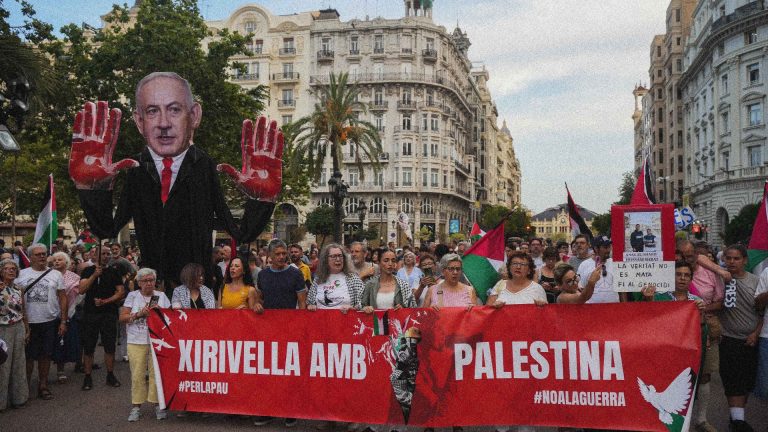
Spain ignores its problems at home
Protesters camped in Madrid’s Puerta del Sol under the banner “No more Maricarmens” set up shrines and staged a “memory march” through central Madrid to the block where she had lived since 1956.
After three years of fruitless government, Sánchez needed an off-ramp. He has not even been able to pass so much as a budget, let alone any major reforms. But he’s no stranger to political drama. In 2023 Sánchez stunned his opponents by calling a snap election immediately after disastrous local election results. Incredibly, he managed to cling on to a precarious majority in Congress despite the PP taking the most seats.
The legislature was poisoned at the well, however, after Sánchez passed an amnesty for Catalan separatists, something he had promised he would never do.
The amnesty put the Spanish right and conservative members of the country’s judiciary at the prime minister’s throat. Unable to legislate effectively and with PP regional authorities blocking his initiative to cap rents in Spanish cities, Sánchez tried to gain some traction on global issues.
Suggested Reading
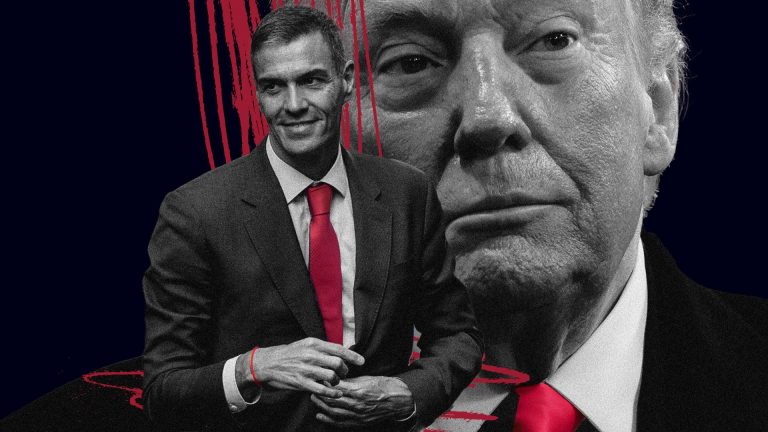
Pedro Sánchez is outclassing Trump with the president’s own tactics
He faced down Trump by refusing to observe the US president’s demand for greater defence spending by Nato members. He led European critics of Israel’s destruction of Gaza, and also sparred with Elon Musk.
Any chance of a recovery for Sánchez had seemed lost, however, when more than 70,000 migrants poured into the North African Spanish city of Ceuta in 24 hours at the end of July. It was a massive security and intelligence blunder.
The Maricarmen protests could help the left to mobilise voters who were leaning towards apathy. But it would be a miracle if Sánchez could do it again.
In an interview with TVE, the state broadcaster, on the eve of her eviction, Abascal was asked who she thought was the main culprit of her situation: “Sánchez,” she said. “He either doesn’t know or doesn’t care about the number of evictions that take place every day.”