Charlie Fox leaned over the dirty pub table, pointed a big finger at me, and locked eyes. “You better not turn out to be an infiltrator for HOPE not hate,” he said, deadpan. I froze. Flanked by several of his lieutenants, they watched, waiting for my response.
He was right to be suspicious. I was, in fact, exactly what he thought I was: an infiltrator for HOPE not hate. My safety depended on the next few moments.
Before I had the chance to reply, Charlie’s face softened into a smile. He started laughing and yanked down his collar, pretending to talk into a shirt mic. “Abort! Abort!” he shouted. I played along, lifting up my wrist like I had a microphone hidden in my cuff. “Get me out of here!” I yelled. “They’ve discovered me!”
This was my first day undercover in Identity England, a small white nationalist campaign. I was volunteering for HOPE not hate, an anti-fascist organisation that sent me into nine groups over the course of a year. There was Britain First, a white nationalist political party; the Basketweavers, a far-right community network; and a movement of race scientists, including one well-funded company financially backed by a multimillionaire tech tycoon.
For a year, I was constantly frightened. It felt like there was an exclamation mark stamped onto my brain. Exposure was my biggest worry, and I imagined it happening in two ways. Either I would make a small but irreparable slip, like introducing myself as Harry instead of my fake name, Chris. Or I would be in a pub, wedged into a corner, when a friend from my normal life would approach shouting my real name and I would be unable to explain myself.
I tried not to think what would happen if I was exposed in the company of Andy Frain, Britain First’s head of security at the time. Nicknamed “Nightmare”, Frain is a former football hooligan who once stabbed a police officer in the throat.
Before a meet-up, I thought about all the ways it could go wrong, obsessing over possible conversations and how to escape if the worst happened. An hour undercover required three or four to prepare. As a naturally nervous person, I found that my habit of mentally rehashing past conversations and planning future ones was helpful in preparing for undercover meetings.
Suggested Reading
Robert Jenrick goes strangely quiet on far right unrest in Epsom
With my handler, the HOPE not hate researcher Patrik Hermansson, I would rehearse dialogue and try to anticipate potentially difficult questions about who I was, or why I wanted to know something. Afterwards, I would be unable to sit still, my fingers palpitating with a five-espresso jitter. Having kept myself steady for so long, I would have a lot of nervous energy to release. After a meet-up, I would have nightmares about being exposed.
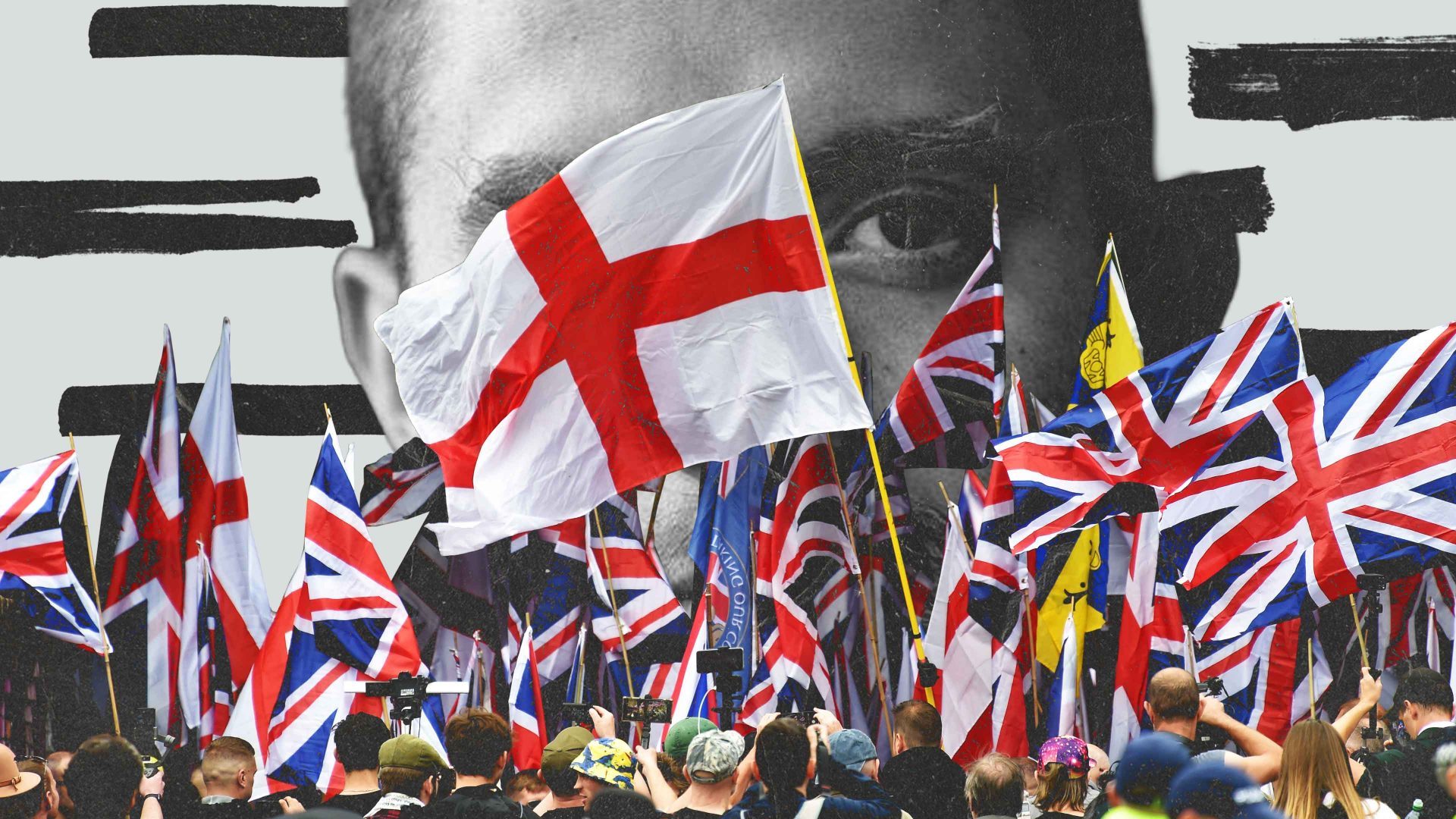
I put myself through this because I wanted to get close to the British far right, find out what kind of people join, and, if possible, do what I could to disrupt their operations. It’s hard to think of a time in Britain when the far right has been so dangerous and powerful.
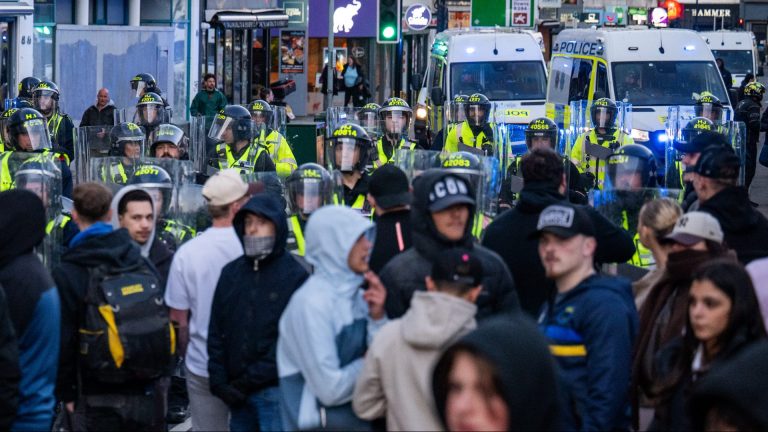
As I finished my undercover project in summer 2024, the biggest wave of far-right violence in the post-war period swept England. After a teenager born to Rwandan parents stabbed three young girls in an attack on a Taylor Swift-themed dance class in Southport, racist riots exploded across twenty-seven English towns and cities.
Far-right agitators, wrongly believing the perpetrator was Muslim, targeted mosques and Muslim neighbourhoods in the violence that followed, while arsonists set fire to hotels housing asylum seekers and rioters set up whites-only roadblocks. Around eight hundred people were charged in relation to the disorder.
Getting close to the far right is difficult. Extremists on the fringes of society are rarely open to approaches from reporters, who are typically regarded as being under the control of dark establishment forces. Just as Oswald Mosley, the icon of the British far right, denied the extent of his extreme activity (notably his relationship with Nazi Germany), today’s organisations also believe the path to success depends on hoodwinking the public with lies about their moderation.
On the occasions when they do speak to the media, far-right activists will often be misleading for a more favourable write-up. Undercover, however, they reveal their true views and intentions, not the ones they think you want to hear.
But first I had to create a backstory. As Chris, I wanted to avoid too much attention, so I gave myself a job that sounded so tedious nobody would want to ask a second or third question about it. Chris was a strategy consultant working in support function optimisation. The eyes of everyone I met glazed over at the mention of my job title and people rarely asked me anything more about it.
To look the part, I chose the most boring clothes in my wardrobe: a white shirt, a zip-up fleece, a pair of navy trousers, and a practical yet sad anorak, complemented with a fake lanyard around my neck.
In each of the groups I joined, being undercover tended to mean the same thing. I had to show up and fit in. That could mean participating in a conversation about the Jews controlling global politics, canvassing for votes with an extremist party, or doing the washing-up at a house full of Holocaust deniers. My colleague Patrik and I thought that Chris should be dependable, affable and, above all, normal.
Right-wing extremists tend to think that infiltrators will be easy to spot: slippery and sneaky, asking cackhandedly obvious questions like “What does everyone think about the Jews?”, or “Committed any good hate crimes recently?” Among the far right, this is known as fed-posting, which is when heavy-handed police investigators appear in online groups and say especially racist things in order to prompt admissions of illegal activity.
I wanted to avoid fed-posting, not just to keep my cover, but for ethical reasons. I didn’t want to entrap anyone into saying something they wouldn’t ordinarily discuss.
I spent a year as Chris, travelling across England as a recruit to racist organisations. I went to Tallinn for a white nationalist conference, Warsaw for a far-right march, and Athens, to meet a pair of shadowy entrepreneurs trying to set up a Nazi-inspired cult.
Despite my best efforts, I was on occasion accused of being a rat. It was inevitable after spending so long in the company of crankish paranoiacs. Near the end of my time undercover, I went to a pub near Paddington Station to meet a group of far-right activists. Some I knew, others I didn’t.
As I took my seat, one of the strangers shook my hand. I will never forget the horror I felt when he said: “These guys have been telling me you’re a fed.” Like the time with Charlie Fox, I wanted to sprint out the door. Laughing it off was the only way to keep my cover.
What surprised me most was that despite my revulsion for what my new associates said and did, I often felt myself becoming friendly with them. It was hard not to, especially with the rank-and-file members (although I had fewer scruples talking to their leaders).
To fit in, I had to endear myself to new groups by being friendly and smiley. Naively, I hadn’t reckoned on them being friendly and smiley back. They thought I was one of them. On long bus journeys with Britain First, they would shout at South Asian drivers, jeer at black people, and tell jokes about the Holocaust. Then they told me about their weight-loss goals and divorce proceedings, their grandchildren’s birthday parties and their garden renovations, their girlfriend troubles and their summer holidays.
As they greeted me with cheers and handshakes, I told myself that what I was feeling was merely relief at their acceptance of me. But was there also warmth? I felt a confusing mix of disgust at what they said and did, fear about my own exposure, and guilt. Guilt at befriending dozens of people with the intention of betraying them.
As abhorrent as their views are, and as nasty as some of their actions may have been, these people invited me into their homes and shared intimate details with me about their lives and hopes and dreams. One day, I knew, I would have to sell them out. That’s why the book I wrote about my experience is called Year of the Rat.
The far-right activists I met wanted to shift the Overton Window, the scope of acceptable mainstream ideas. They could never have predicted just how fast it would move. When I was undercover in spring 2023, I attended a conference in Tallinn, Estonia. The theme was “the year 2050”, and the policy on every speaker’s mind was remigration, a euphemistic term for ethnic cleansing and the creation of a whites-only society.
Around 100 people, many of them socially maladjusted young men, came from across the UK, Europe and the US to this conference. I saw them smashed on Estonian lager, falling down drunk in the capital’s old town, stumbling off in search of a strip club. It certainly didn’t look like tomorrow belonged to them.
Since then, the concept of remigration, or at the very least mass deportations, has moved from the keyboards of basement dwellers and into public discourse. One of Reform UK’s key policies is the creation of an ICE-style deportation agency to remove hundreds of thousands of people.
Restore Britain, a rival party set up by the ex-Reform MP Rupert Lowe, advocates a yet more extreme goal: the end of the asylum system and the housing of refugees in “deliberately austere” tent camps prior to deportation.
Lowe, of course, is just one MP. And yet he has the backing of the world’s richest man: Elon Musk, who has called Restore “the only way to save Britain”. Musk is also bankrolling the legal fees of Stephen Lennon, the serial criminal known as Tommy Robinson.
The far right is no longer confined to the fringes. It has bent the ear and grabbed the purse strings of some very powerful people. We no longer have the luxury of ignoring it.
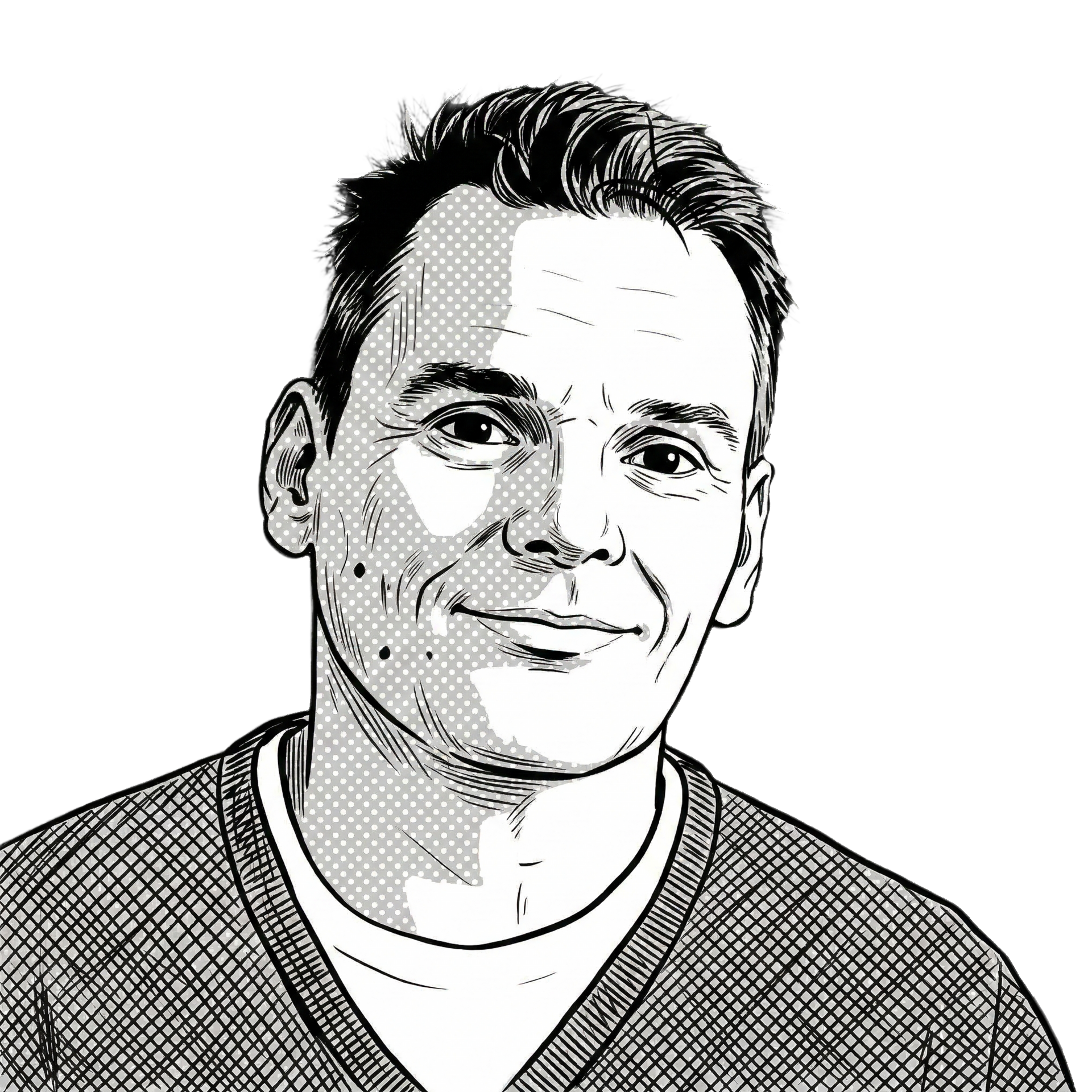
Harry Shukman’s Year of the Rat (Chatto & Windus, Vintage) is out now in paperback. It won the 2025 Sunday Times Charlotte Aitken Young Writer of the Year Award.
 Most popular

My truly deranged encounter with Trump apologist Kellyanne Conway

Suella Braverman’s book has sold only 106 copies. This is why

The moral depravity of Robert Jenrick
Hungary’s lesson to the world: Populism isn’t permanent