At 5am on Sunday, February 22, I got into a cab and headed to the airport.
By the time I landed in Los Angeles a few hours later, my phone was filled with panicked messages: “Ella, estás bien?”
I still had no idea, but back home in Guadalajara, chaos had taken over the city. In the early hours of the morning, with information from the CIA, Mexican forces had successfully taken out El Mencho, the leader and co-founder of the Cartel Jalisco Nueva Generación.
The CJNG, or the “four letters”, is considered the country’s most violent and militarised cartel, and its most powerful. It has dominated the western state of Jalisco, where I live, for over a decade.
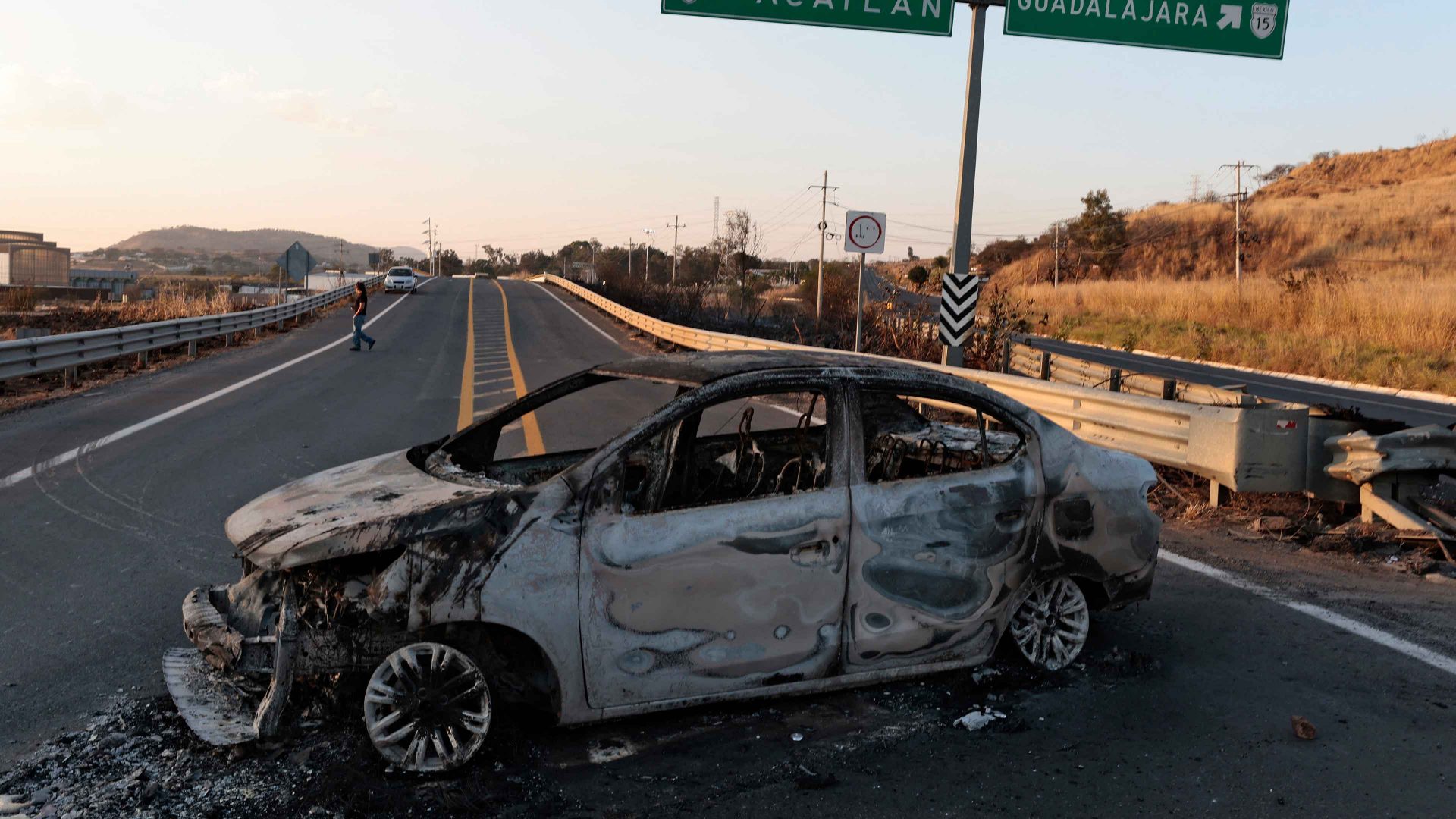
That morning, while I was still mid-air, the cartel responded with a campaign of terror. Cars and buses were commandeered and set alight, blocking roads in as many as 20 Mexican states.
“Narcobloqueos,” they’re called. A show of fury, yes, but a warning, too: a show of reach, to the population and the government as much as to any rivals eyeing an opportunity.
Sleep-deprived and disoriented at LAX, I read the first messages from people in the city, now under orders to shelter in place. “Don’t go out,” one friend had messaged without elaborating. The news had barely hit; there was little more to share.
It took me a minute to figure out what was going on; in Jalisco we live with the constant possibility of cartel violence, but it’s not as common as people on the outside imagine. My mind raced through possible explanations.
Checking in on friends, I soon learned that one was sheltering with a family whose truck was one of the vehicles seized and set alight. On social media, I saw a car burning next to a bus station that thousands rely on daily as they travel from the periphery to the city centre for work.
Then came the fake news: AI videos showing a plane burning on the tarmac where I’d taken off that morning, years-old videos of panic at the boarding gates, reports of active shooters and bombs.
As the afternoon went on, the news spread and messages started coming in from other cities. “I’m OK, I’m working in the US,” I’d say. “I don’t know what’s happening either.”
When people find out where I live, they often comment on how brave I am. It must be terrifying, they think, to live in Jalisco. It’s shocking, then, when I say I don’t find it particularly scary. Perhaps I’m desensitised, but the reality of the situation is hard to grasp for those who haven’t lived it.
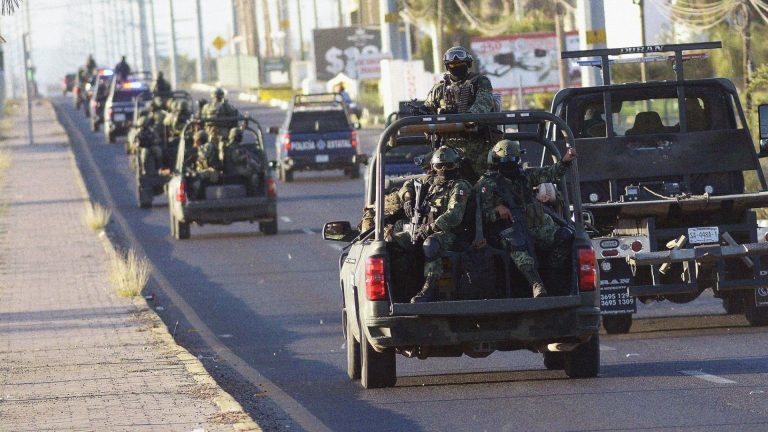
It’s true that it’s not unusual to see trucks filled with armed police, and that you see a nauseating number of posters about disappeared people. Occasionally, you do meet a friend for a drink who asks if you heard about the assassination that afternoon. But we all also just go about our lives.
We go to work, we dance in crowded bars, we take public transport, and at weekends the smart, tree-lined neighbourhoods are filled with people gathering for brunch.
By contrast, in Sinaloa, another western Mexican state, the dissolution of the cartel into factions has unleashed a horrifying warlike scenario that has terrorised cities like Culiacán for years. Guadalajara had become home for many fleeing that violence.
Suggested Reading
The parallel geography of violence in Mexico
In Jalisco there’s a peace that comes from being so close to the power-base of the country’s most feared cartel. For a few days in late February that flipped.
Guadalajara went from being a reasonably safe city to something much darker. Upticks in violence are common when a drug lord is taken out, but fragmentations and splits within an organisation in the aftermath are the real worry.
The view that this was a major victory against organised crime and a step towards a safer Mexico wasn’t necessarily shared in the city.
The following day in California, I spoke to a man from Jalisco about loved ones in the state: “We’ve never seen it on this scale,” he said, “not in the city centre. The coming months will be tough.”
Guadalajara was still in lockdown, but the updates I received from the city were far calmer and predominantly spoke of the eerie silence that had taken hold. They sent photos of the impressive Spanish tortilla they’d made or a video of them setting up turntables for a home disco. May as well make the most of it.
By Tuesday, businesses were reopening, taco stands re-emerged, and there was life on the streets. What other choice was there?
According to friends in the city, that peculiar sense of normalcy seemed to be returning, though now we were all a little more diligent about checking in with one another.
I didn’t hear from a friend for most of the afternoon and thought little of it. But as night fell, I realised it had been six hours, and the anxiety I’d been subconsciously holding back was let through. I sent a flurry of messages asking, please, for confirmation that they were OK. Violence still loomed; it still felt volatile.
By Wednesday, I heard of plans for a dinner party two blocks away from where a car was torched, and I started seeing local bars posting their weekend schedules. They made no comment on recent events.
Now, six weeks on, things are calmer. We learn that El Mencho was already dying, perhaps succession was already arranged. The cartel has not gone away. The city returns to normal.
Ella Benson Easton is a writer, researcher and journalist focused on socio-cultural change