In recent years, an awful phrase has entered the dictionary of popular music: “heritage rock”. It is, paradoxically, a new way of describing the old, a category of music with one condition of membership: the band or artist must be in their 50s or (much) more.
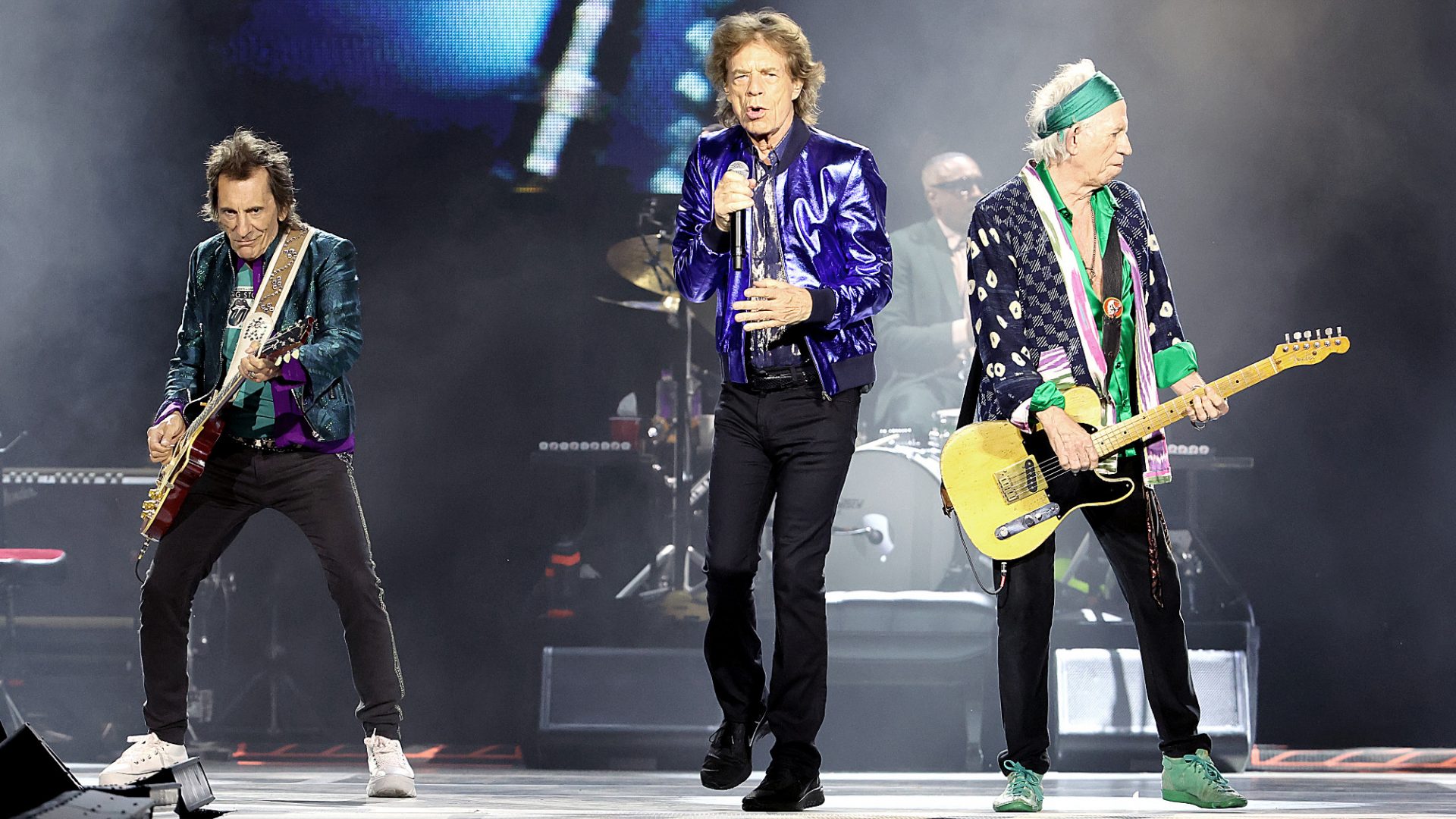
You can be heritage rock if you’re the Rolling Stones, or Neil Young or Fleetwood Mac, but you can also be heritage rock if you’re Faust, or Sly Stone, or Devo. You don’t even need to be alive: classic heritage rock acts include the Doors, David Bowie and Prince.
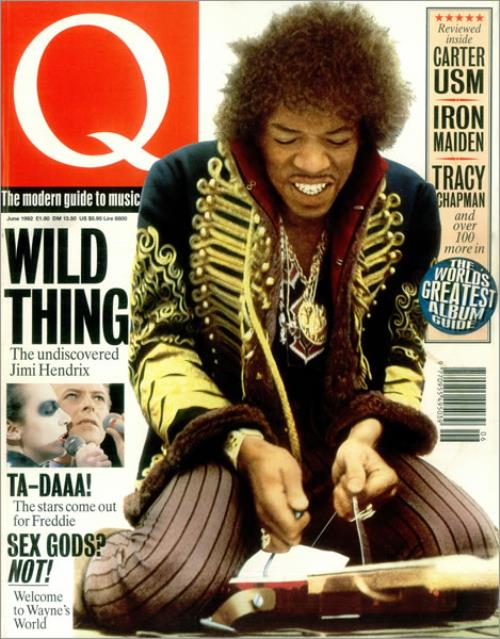
Heritage rock’s roots lie in the 1980s, when former Smash Hits editors Mark Ellen and David Hepworth noticed that the then-popular weekly music press (NME, Sounds, Melody Maker) wrote only about new acts and were unduly dismissive of everyone over 35. They created Q magazine to cover artists like Eric Clapton, Phil Collins and Dire Straits, people who sold millions of records and had respected careers, yet could always be guaranteed a one-star review in the NME: soon Q was massive, and the weeklies were not. (Live Aid – which celebrated rock “dinosaurs” like Queen, Status Quo and Led Zeppelin – aided this process, as did the appalling American creation of the Rock & Roll Hall of Fame, in which artists like James Brown, Ray Charles and Sam Cooke are lumped in with Aerosmith and Van Halen.)
This new canonisation of the past was only aided by the fragmentation of popular music in the 21st century, when everything from illegal downloads and streaming to the increased popularity of gaming over popular music and the replacement of small rock venues with large open-air festivals drew a line between new, struggling music and old, established music. It was a tough time when new bands had to survive any way they could, whether it was by selling T-shirts or by singing duets with Elton John.
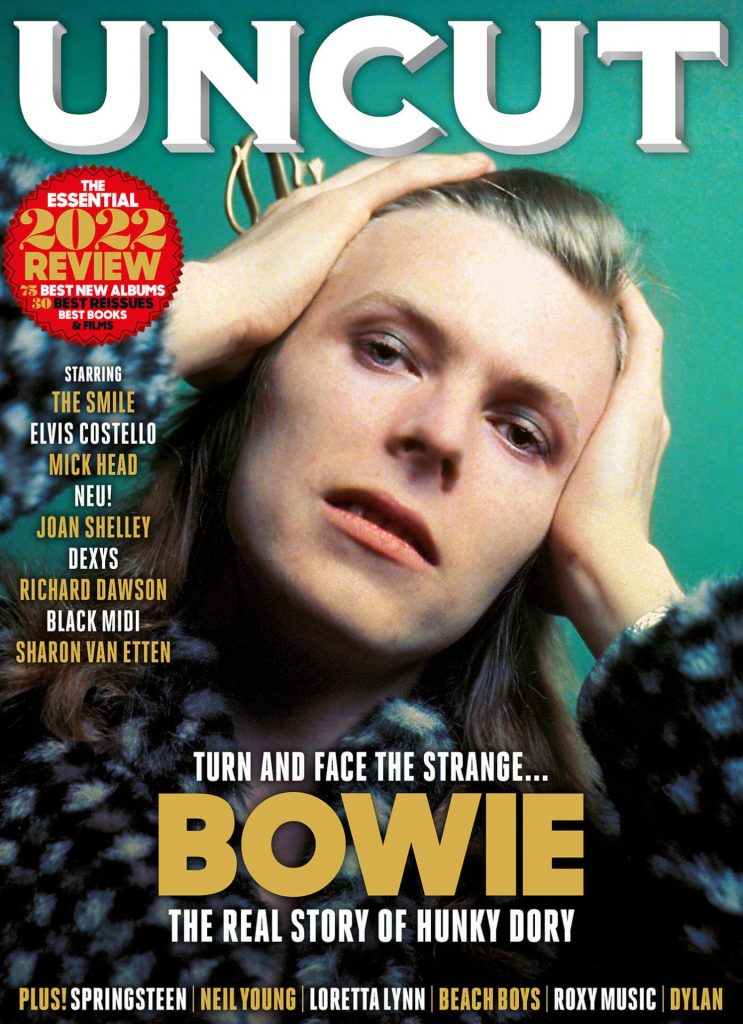
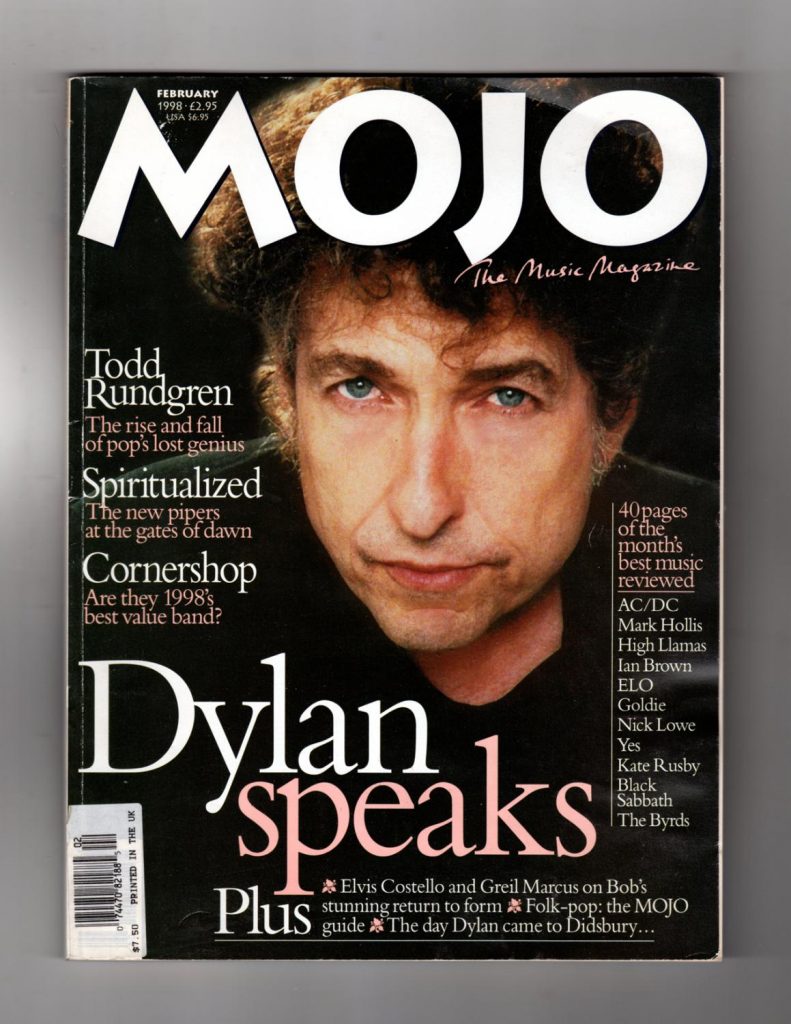
Meanwhile, the music press was all but demolished. The weeklies were gone (the NME alone survives as a borderline inane web page) and replaced with a different kind of publication – the heritage rock monthly. Magazines like Uncut, Mojo (and to a lesser extent Record Collector) were basically designed to power an endless carousel of Beatles, Rolling Stones, Bob Dylan and Neil Young (with every so often a curveball like Joni Mitchell or Kraftwerk). They’re an endless living archive of the continuous past, returning to the same interviewees again and again like a rock-music Columbo, always asking about just one more thing – one more session detail, one more Woodstock anecdote.
And while these are excellent magazines, which do support new acts in the old tradition – and it’s good that they cater for an audience that loves rock and soul and reggae, and they continue to celebrate Pet Sounds and There’s a Riot Goin’ On and Trans-Europe Express – it’s surely a sign of the times that the only publications that sell are rooted in rock’s rich historical tapestry. And I’m grateful: thanks to the vagaries of copyright, I still get paid when an old Smiths review or Bowie interview of mine is reprinted.

It’s not just the old canon, either: if you don’t like Neil Young and the Stones, you can go upmarket with the Sunday supplement eternal celebration that is Meltdown, in which Jarvis Cocker presents Yoko Ono presents Patti Smith presents Tom Waits presents Jarvis Cocker. Or, if you’re feeling rebellious and don’t get seasick, you can go on a punk cruise and see US punk acts like the Offspring or the Vandals on a ship full of booze.
Heritage Rock, then, has always been an endless celebration of the past, based on the solid banker that is an artist’s back catalogue. There used to be a kind of rule of thumb – an artist was most creative in their 20s, producing their best work early on in life (so much so that it used to be assumed that, rock being teenage, nobody over 30 was any good). In their 30s, musicians would, basically, panic, terrified of losing their young fans who were now getting married and staying at home.
In their 40s, if they were still working, musicians would start wearing colourful suits, dyeing their hair and using drum machines. In their 50s, when it was clear that nobody under 30 knew who they were, the artist would regain their audience, whose own children had left home: they would make records that didn’t rely on the latest sounds, records that echoed their previous work and were a “return to form”.
And after that, the sky was the limit. Maybe a stripped-down album with Rick Rubin, or an Unplugged tour, or an album of duets with other old artists: if you were very lucky, you might be invited to join the Traveling Wilburys (I know, they were all 28 when they formed).
And if the creative spark had faded, that was no problem: you had the back catalogue to fall back on. The past is by no means a foreign country for heritage rock acts. Look at AC/DC, a band whose loss of members has made them into Trigger’s Very Loud Broom: every five years they would release an album with one great song on it (generally the title track) and add it to a set otherwise composed of greatest hits from the past.
Observe the “classic album” tours, where everyone from Primal Scream to Iggy Pop would tour their best record. And look at the far from unique example of ABC, who finally acknowledged the shadow of their 1982 classic album The Lexicon of Love by releasing The Lexicon of Love II in 2016.
For a band or solo artist, the back catalogue was the banker, the pension, the thing that enabled them to keep working long past pensionable age. It can also be a millstone around the albatross’s neck, as once more you’re compelled to feed an audience’s lust for nostalgia by playing a song you wrote when you were 22.
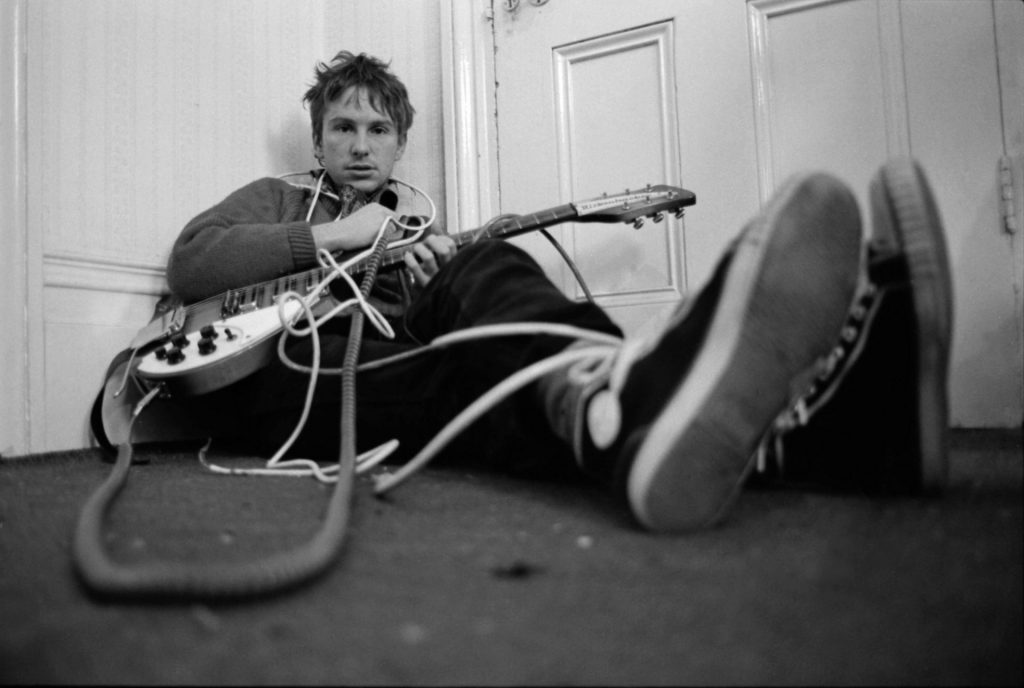
I’m a fan of Eric Goulden, aka Wreckless Eric. He’s very far from being someone who’s happy to rest on his laurels, and over the years I’ve watched him come to terms with a song that came out 49 years ago, Whole Wide World.
Goulden has made nearly 20 albums in different incarnations, some of them chirpy pop rock but most of them strange, rackety attics of records, pitched somewhere between the Velvet Underground and Ian Dury: not at all like his radio-friendly classic. For a long time, Goulden either refused to play it or performed it through gritted teeth: now he accepts it for what it is, and always plays it.
In general, artists were supposed to be creatively done by their 40s and 50s: buying new music by anyone older than that was as caveat emptor as it got. The idea of actually getting something new from, say, Dirty Work (Rolling Stones, 1985) or Everybody’s Rockin’ (Neil Young, 1983) was inconceivable. There was no gold in old.
But recently, this has changed. Despite, or perhaps because of, their advanced age, heritage artists are making good music again. Bob Dylan’s run of albums this century, ending with the brilliant Rough and Rowdy Ways (2020) has been phenomenal. Paul McCartney’s work has been burning with new ideas, especially on his Covid-response album McCartney III (2020) – and, if the beautiful, heartbreakingly time-accepting Days We Left Behind is anything to go by, his 2026 album The Boys of Dungeon Lane will be brilliant.
The Rolling Stones have discovered fresh, glam-stomping vigour with their single Rough and Twisted. Former Pink Floyd singer and guitarist David Gilmour’s superb 2024 album Luck and Strange is crunchy and vivid.
David Gilmour is 80. Mick Jagger is 82. Paul McCartney is 83. Bob Dylan will be 85 on May 24. But it’s not just the Great Rock Generation who are filled with a new creativity. Acts as diverse as the Cure (Robert Smith, 67) and Pet Shop Boys (Neil Tennant, 71) have made superb albums in recent years (Songs of a Lost World and Nonetheless, both 2024).
Suggested Reading

How I fell in love with K-Pop
It’s as if, once freed from the tyranny of youth, artists are free to explore a much more interesting, and to them relevant, topic: age. Because there’s a poignancy to these records.
I had hoped to get through this article without mentioning My Generation, so I will: these days, the best artists talk about getting old in ways that offer comfort at varying temperatures. Songs like Gilmour’s A Single Spark, McCartney’s Days We Left Behind, the Cure’s Alone, Bowie’s Blackstar: all these deal with the dying of the light, and make it easier to bear.
Paul McCartney’s The Boys of Dungeon Lane is released on May 29 and the Rolling Stones’ Foreign Tongues is out in July.
David Quantick’s latest book, Imagine a Friend, is published by Stars and Sabers