You can’t fault the ambition of the people behind the British version of Saturday Night Live. They have chosen two unenviable tasks – following in the footsteps of an American icon, and revitalising TV satire here at home.
Trying to be as good as the likes of John Belushi, Eddie Murphy and Kristen Wiig might even be the easier task. After several golden eras, British satire is now found in a dwindling band of late-night comedy shows which, however well-intentioned, feel less and less impactful as the years go by.
But if you’re worried about the state of satire in general – or at least worried that The Onion is carrying the weight of the medium on its back – then be reassured. Some of the most biting and timely wit these days comes via the medium of video games.
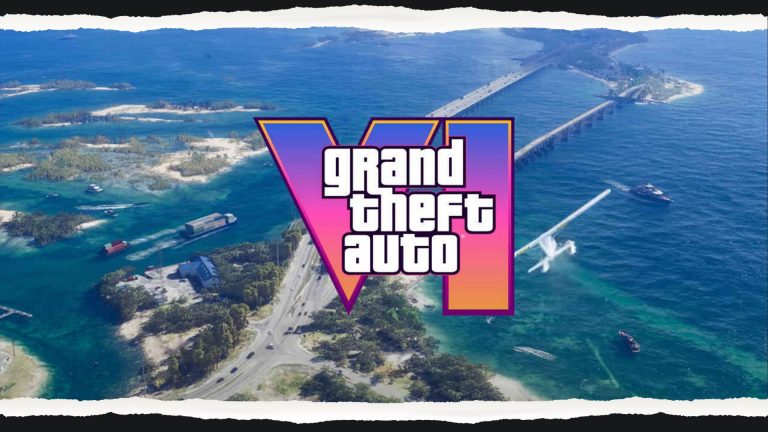
Series like Grand Theft Auto have always leaned into satire, with the upcoming GTA VI again set to pillory America’s obsession with money, guns and cars. However, the satirical potential of multimillion-dollar triple-A titles is limited by their long lead time. It means these huge games must deal in very broad satirical strokes, rather than focusing on specific individuals or flashpoint events.
Yet, happily, game development is more accessible than ever, meaning small developers can turn games around quickly. In 2020, 30 Miles to Barnard Castle – mocking Dominic Cummings’ lockdown drive to “test my eyesight” – was released on the self-publishing platform Dreams on the PS4 within weeks of the incident itself.
More recently, Raise the Colours skewered the eagerness of some of the British public to tie the St George’s Cross to lampposts. The player is tasked with avoiding cones and council workers while trying to raise as many flags as possible within a time limit.
The game’s solo developer Corny Pastiche explains: “Games are uniquely reactive, with the ability to change and adapt to current events as developers push updates. I plan to do the same with RTC, adding new content over time and keeping it relevant to whatever is happening in the country at any given moment. In that sense, a satirical meme game can have a much longer lifespan than a TV show or book, which inevitably dates itself to the year it’s released.”
The same timeliness and joyous deconstruction of a political movement can be seen in the upcoming Mr Donald, a game in which a barely veiled Trump and his sidekick Elon have to rescue the Pope. It takes MAGA’s misplaced hero worship to its logical conclusions, portraying Trump with the physique and tone of an 1980s action hero.
Judith Hawley, professor emerita at Royal Holloway, University of London, and author of the upcoming Very Short Introduction to Satire, explains that titles like these differ from the classical description of satire, while still fulfilling its goal of satisfying a frustrated or disenfranchised audience. “A much more diffused kind of satire is being used now,” she says. “Traditionally, satire was written by an educated elite with a very masculine point of view in which the satirists were very certain of their view. A post-ironic kind of fiction emerged in the late 1990s, which uses a much more diffused kind of irony and critique.”
Games like Mr Donald and RTC lampoon the powerful or risible and act as a release valve for pent-up political frustration. Much gaming satire goes beyond lampooning individuals, however.
Suggested Reading

Grand Theft Auto VI: the biggest game in history
PAGER, by solo developer Bilge Kaan, takes a look at corporate culture and the dogma of fiduciary responsibility by forcing the player to complete a series of seemingly arbitrary office-based tasks. Whether you are being forced to water every plant in a pitch-black office or tasked with matching a manager’s every move, the game emphasises the disposability of the worker in today’s corporate culture.
Kaan explains: “PAGER is basically a reflection of my fear of the corporate world, a place where employees don’t have much effect on the final product, almost everyone is replaceable, and there is too much bureaucracy and inefficiency.”
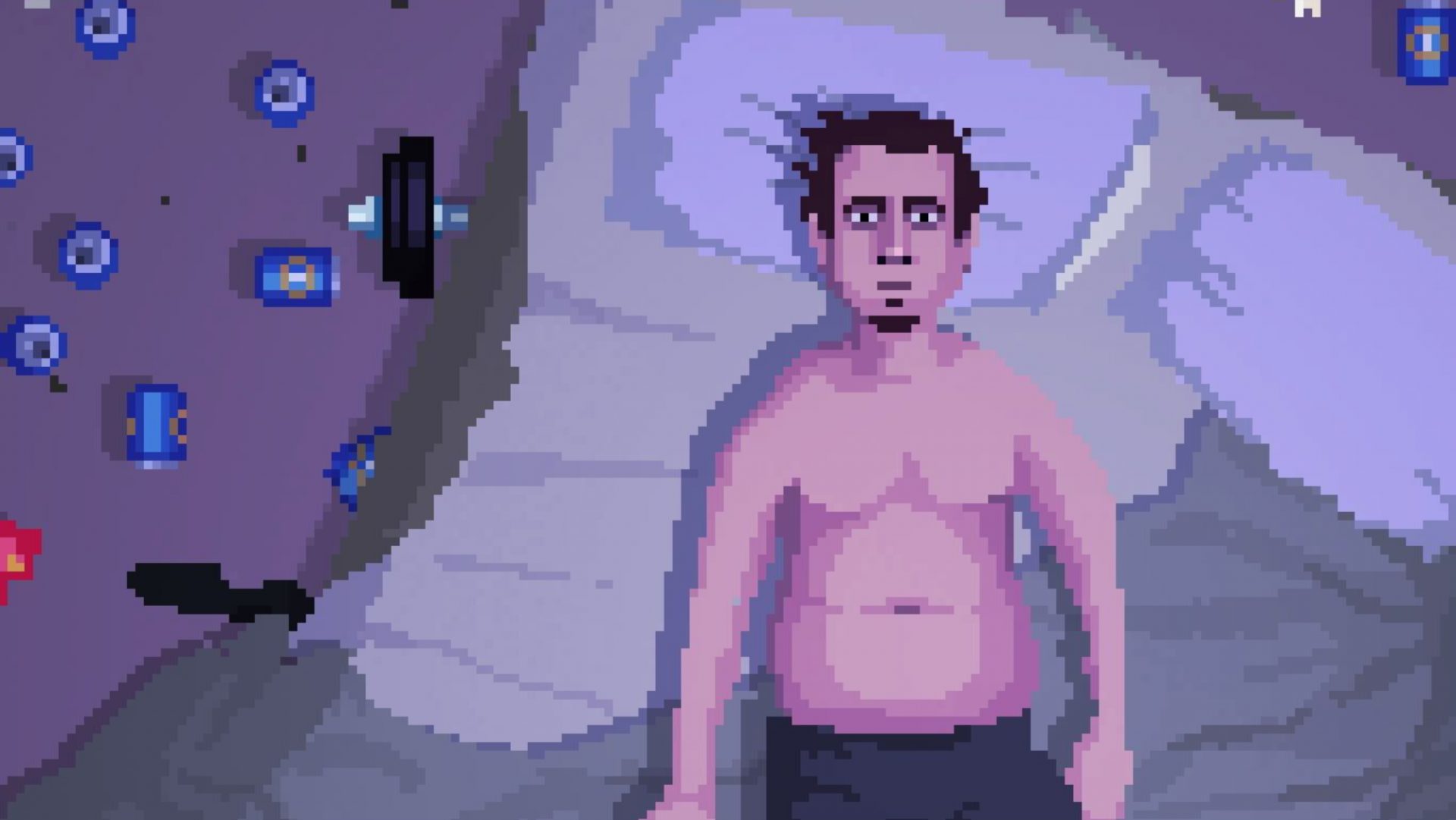
Additionally, games can shine a light on society by subverting the expectations of players. In Unemployment Simulator 2018 by artist Samuel Lehikoinen, players are tasked with finding a job – while also simply trying to manage their mental health. As early as the second in-game day, one of the objectives simply reads: “Cry”.
Lehikoinen explains: “I was trying to say something about this male loneliness epidemic… I used my lived experience to make this empathetic depiction of this phenomenon.”
Both PAGER and Unemployment Simulator 2018 satirise working culture through surrealism, in much the same way as shows like Severance. Kaan points out that satire in games specifically benefits from the medium’s interactive nature.
By forcing the player to actively play through this drudgery – with little to no reward – developers can make the audience experience the painful reality in a way other mediums cannot. “Some games, like PAGER, act just like a simulation, and choices like giving an electric shock to a colleague feel different when you are the one deciding the action,” Kaan says.
Just as the tools to create games have become more widely available, so too has the means of distribution. Platforms like digital storefronts Steam or itch.io allow small or even one-person developer teams to exist alongside their multi-million dollar counterparts.
The online nature of digital storefronts means there is currently little censorship or legal threat, ensuring that satirical games can still find their way to consumers. Corny Pastiche says: “Indie gaming still has underground and grassroots support. It remains one of the few places where edgy or politically charged content can still exist because the barrier for entry for a hobbyist developer like me is so low.”
So even if the new edition of Saturday Night Live doesn’t live up to its potential, there will still be great satire being created, in an unexpected place.
All the games mentioned are available on Steam.
Chris Sutcliffe’s writing has appeared in the Guardian, TechRadar and Kotaku