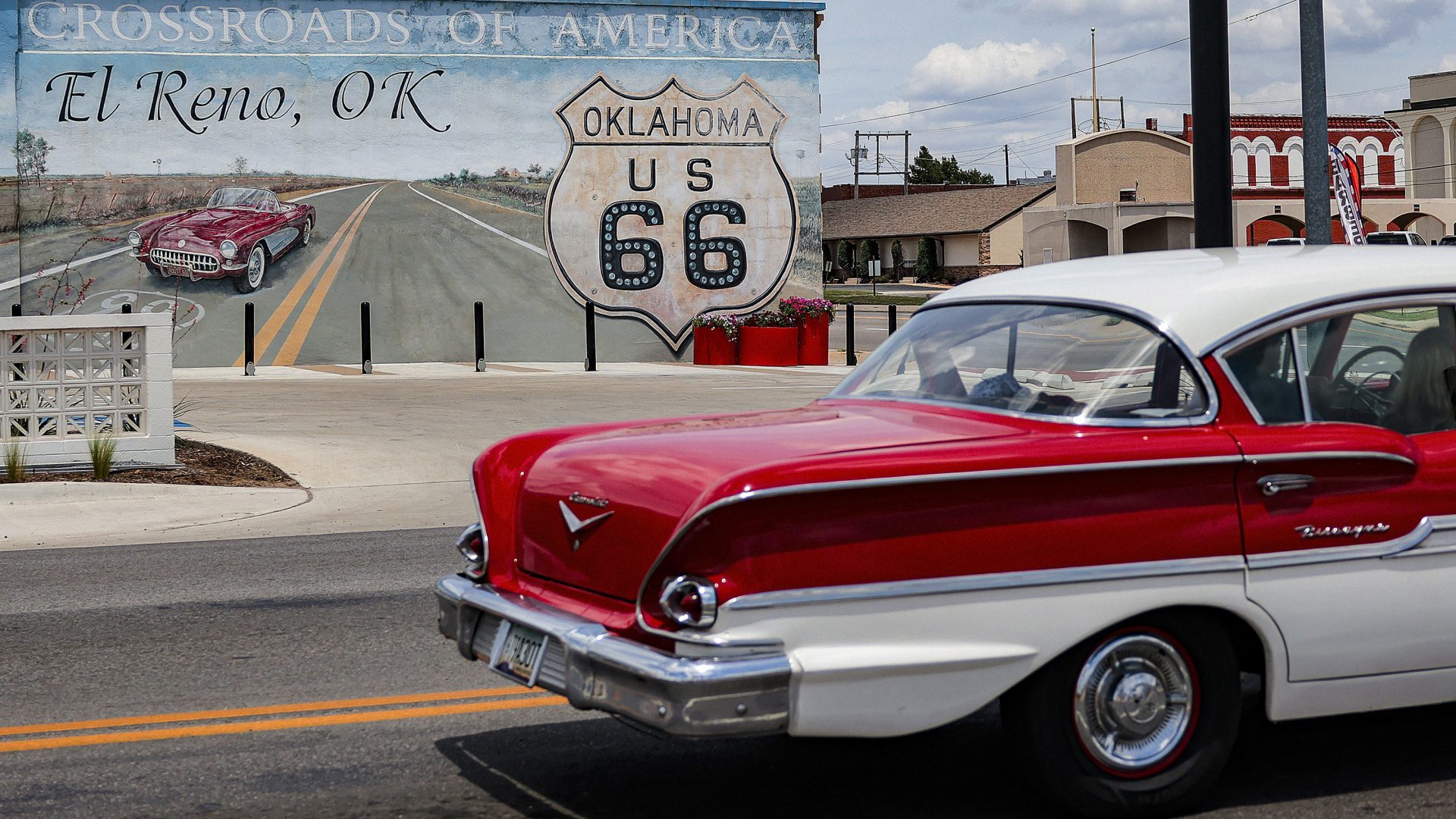
The Chicago to Santa Monica highway was proposed in 1927 and it was a road engineer from Oklahoma named John Page who decided its name: it should be given the designation of “US Highway 66”.
That 2,400-mile route, which cuts across the North American continent from the Great Lakes to the Pacific coast, has become embedded in US and global popular culture. During the Depression era, it took on a near-mythical status as a path to salvation taken by Americans fleeing the dustbowl misery of the Midwest for the promise of California.
But in the postwar, doo-wop era of the 1950s, the search for redemption was gone. Instead, the rest stops, diners and gas stations that sprang up along Route 66 came to embody a new optimism, a belief that, for an American with a Ford V8 and an open road ahead, anything was possible.
The signage along that highway needed to be vivid and the colours garish to compete with the intense sunlight of the American west, and the aesthetic that grew up along Route 66 is perhaps some of the most enduring American imagery ever created.
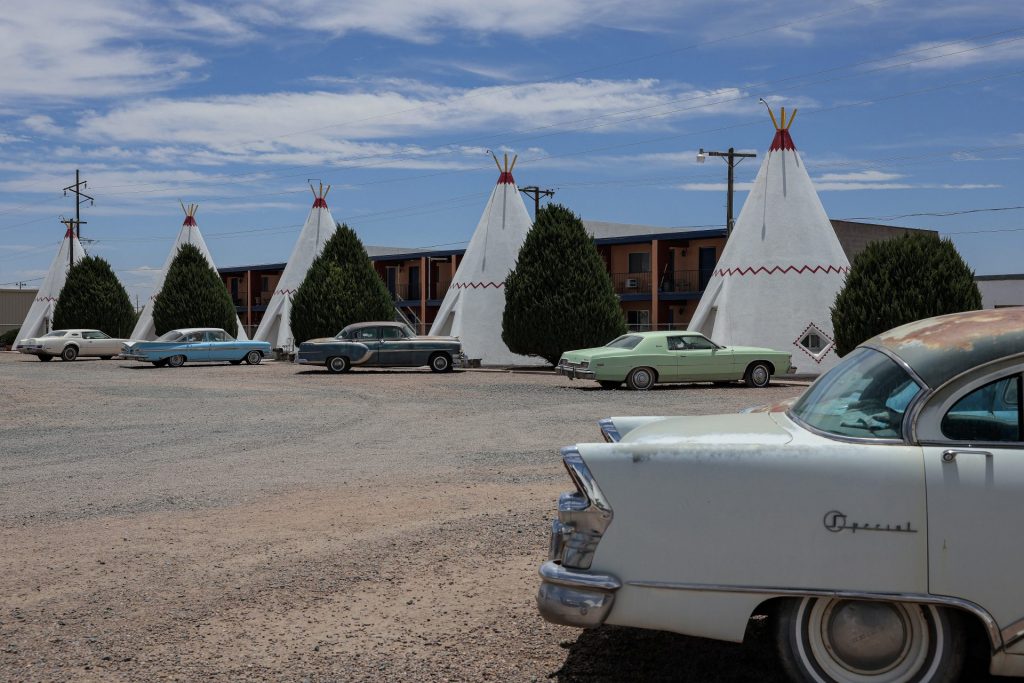
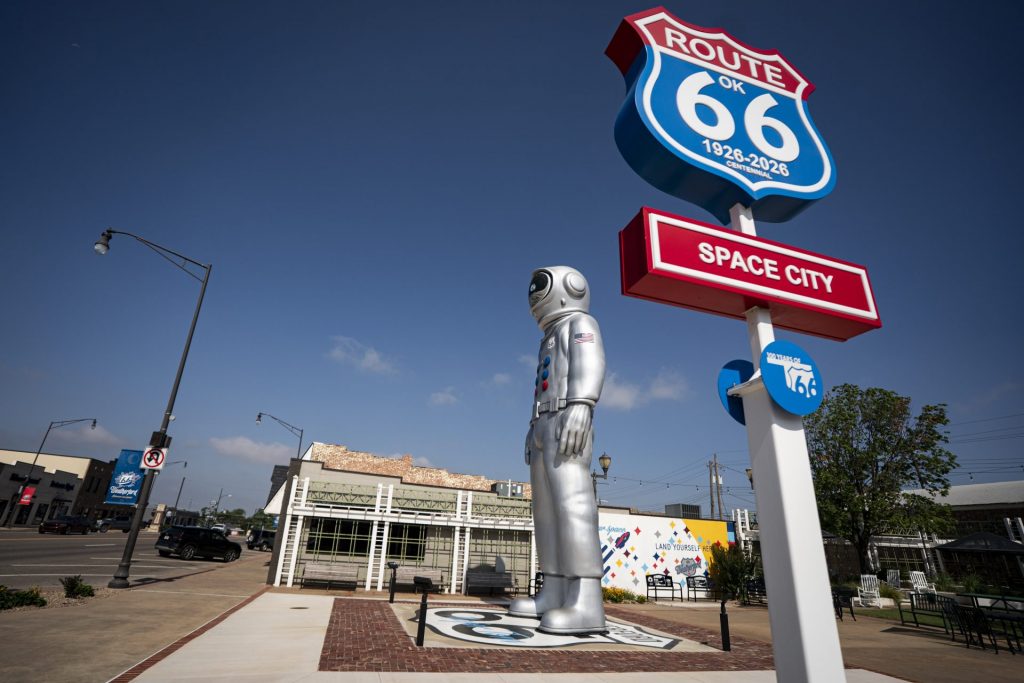
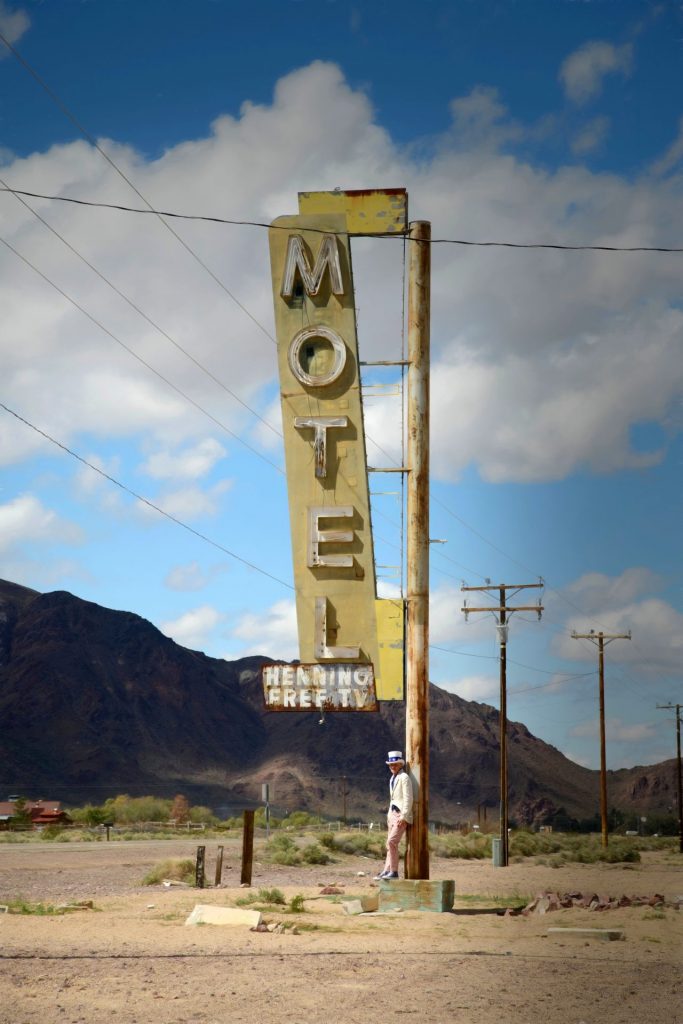
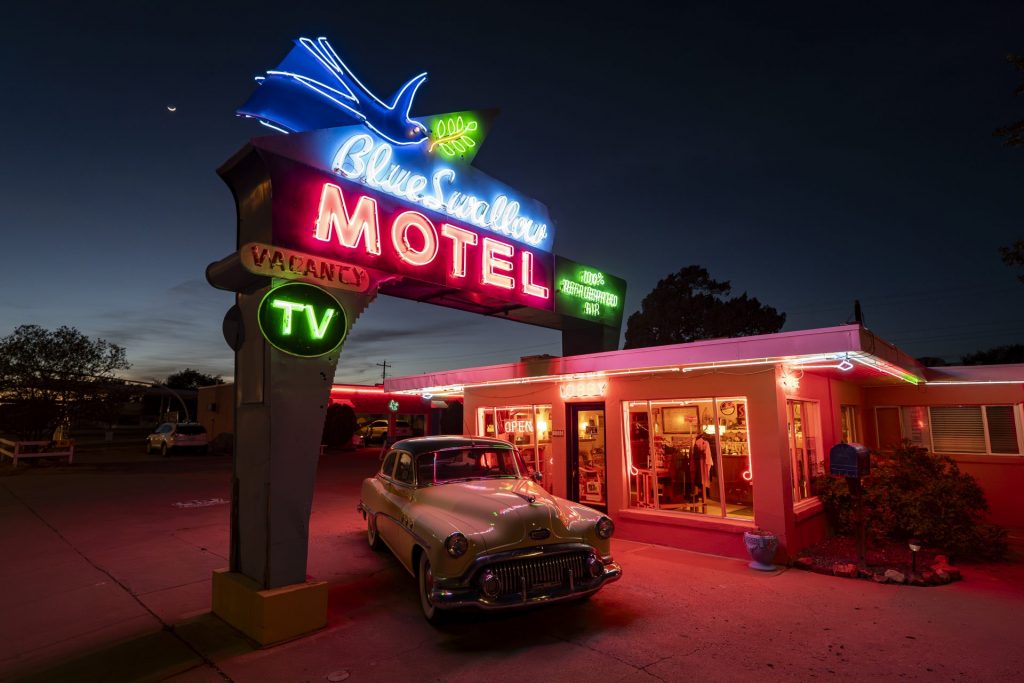
A new interstate system bypassed much of the old Route 66 and, by the 1970s, much of it had been made redundant. The diners and the neon signs fell into disrepair. Some settlements along the route were abandoned altogether, becoming ghost towns.
Suggested Reading
What would America be without its wilderness?
A string of museums along the route still commemorate the remarkable flourishing that took place, and there is a heritage trail drivers can follow to restored sites along the way, some of which are shown here on these pages.
The cultural prominence of Route 66 in the popular imagination is not just an expression of people’s deep urge to move. It embodied the human instinct that a better life can be had elsewhere, just a little further down the road.