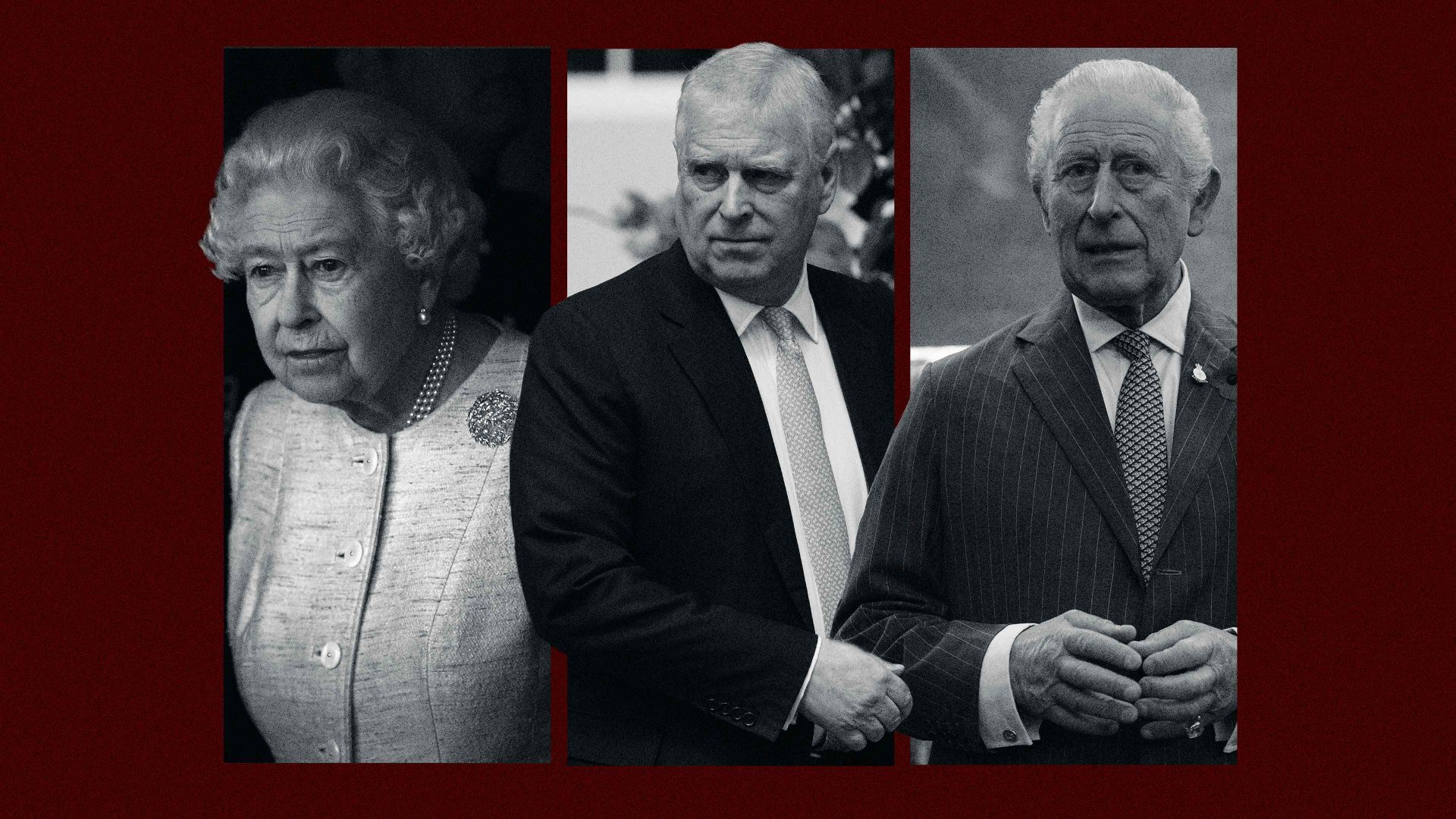

The world wants to frame Andrew Mountbatten-Windsor’s arrest as a technical matter: misconduct in public office, not sexual wrongdoing. That’s the headline.
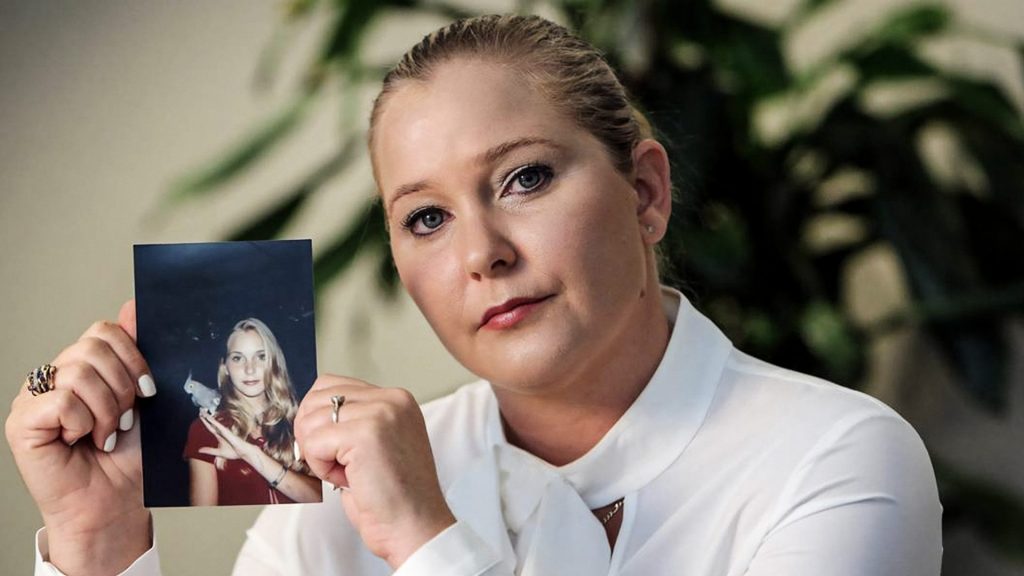
But the truth is far more complicated, and far more consequential. This moment exists only because survivors like Virginia Giuffre refused to stay silent and forced the law to see what had long been hidden. Andrew may be the first royal in centuries to face arrest; the headlines are his. But the reckoning belongs to them.
The frustration many survivors of sexual violence will feel this week is understandable. Andrew faces no criminal investigation for sexual wrongdoing, only procedural allegations. For women who have lived the terror of speaking out, confronting abusers only to be silenced or gaslit, that fact is brutal. The Epstein files were released, evidence corroborated, and suspected perpetrators – including Andrew – named.
It’s a dossier so extensive, so damning, it boggles the mind that SWAT teams aren’t storming offices and estates as we speak. And yet, no man in these new revelations has yet been held accountable for sexual abuse. Survivors are left with the bitter truth: someone powerful can be touched only on technicalities, while the harms that scar their lives remain unaddressed.
That frustration is a mirror of the system itself. Rape convictions in this country are woefully low; the presumption of innocence and the burden of proof, while cornerstones of justice, collide with the lived reality of sexual violence, where memories cloud, evidence disappears, and survivors fear reprisal. Even in this case, where the evidence is plentiful, the law becomes a fortress that protects the accused. And so, we sit at an impasse.
This arrest proves what many women already know: society prioritises powerful men and their networks over women’s safety. Men trading market-sensitive information are pursued with the full force of the law, while abused women are ignored. Former ambassador to the US Peter Mandelson could not survive allegations of leaking confidential information to Epstein, yet his well-documented friendship with the sex-trafficking paedophile was tolerated for realpolitik. The system’s outrage is – at best – selective, and – at worst – entirely complicit.
But there is cause for hope. Andrew’s arrest is certainly not for nothing. While it may feel limited, partial and frustrating, we cannot lose sight of this monumental rupture to the status quo. The law is finally reaching someone untouchable, and it is survivors who forced it. Giuffre and others did not wait for the system to act; they pursued truth, demanding accountability, so their story would not be buried in silence.
The files expose what feminist scholars have long warned: unchecked male power breeds abuse, corruption, and violence. Men who operate in bubbles of untouchability, brash and lawless, are often the same men who exploit and abuse. The Epstein files make it unmistakably clear that sexual violence isn’t just collateral damage or an unfortunate side effect of men closing ranks. It is the inevitable culmination of entitlement, privilege, and the belief that the rules simply don’t apply.
Giuffre and other survivors have mapped this dark architecture of power, showing how systemic protection twists around institutions, norms and rules. Misconduct in public office is not an isolated offence, but too often the opening or closing act of a life conducted in impunity.
Suggested Reading

How the House of Windsor let Andrew happen
This moment is both dark and celebratory. Dark, because it reveals the staggering scale of the networks that protect abuse. Celebratory, because it confirms the power of survivors’ voices and the ability of women to shift the arc of history. Criminal investigations into men within these files are proof that even the most entrenched power can be challenged and that courage can puncture centuries of secrecy.
But it is also a warning. The law may finally reach a prince, but only because survivors forced the window open and let the light in. The pattern is clear: where power is opaque, unchecked and insulated, corruption festers. And in these cases, sunlight alone isn’t enough. Some systems are so rotten that they must be burned to the ground.
Andrew’s arrest is not the end, and it is no kind of closure. We still do not know what will happen next. But an investigation of this magnitude is a reminder: no one is truly untouchable.
Commentators may call this week unprecedented. And it is. But its true significance lies with those who forced it into being: the survivors who refused to let silence win, who compelled power to answer, and who proved that even the most entrenched elites can face the consequences of their actions.
History may mark the arrest of a prince, but we must remember the women who dared to speak: the bravery that exposed the rot, shattered the silence, and demanded that power reckon with itself.